

Announcing vllm-metal: Concurrent Serving on Apple Silicon
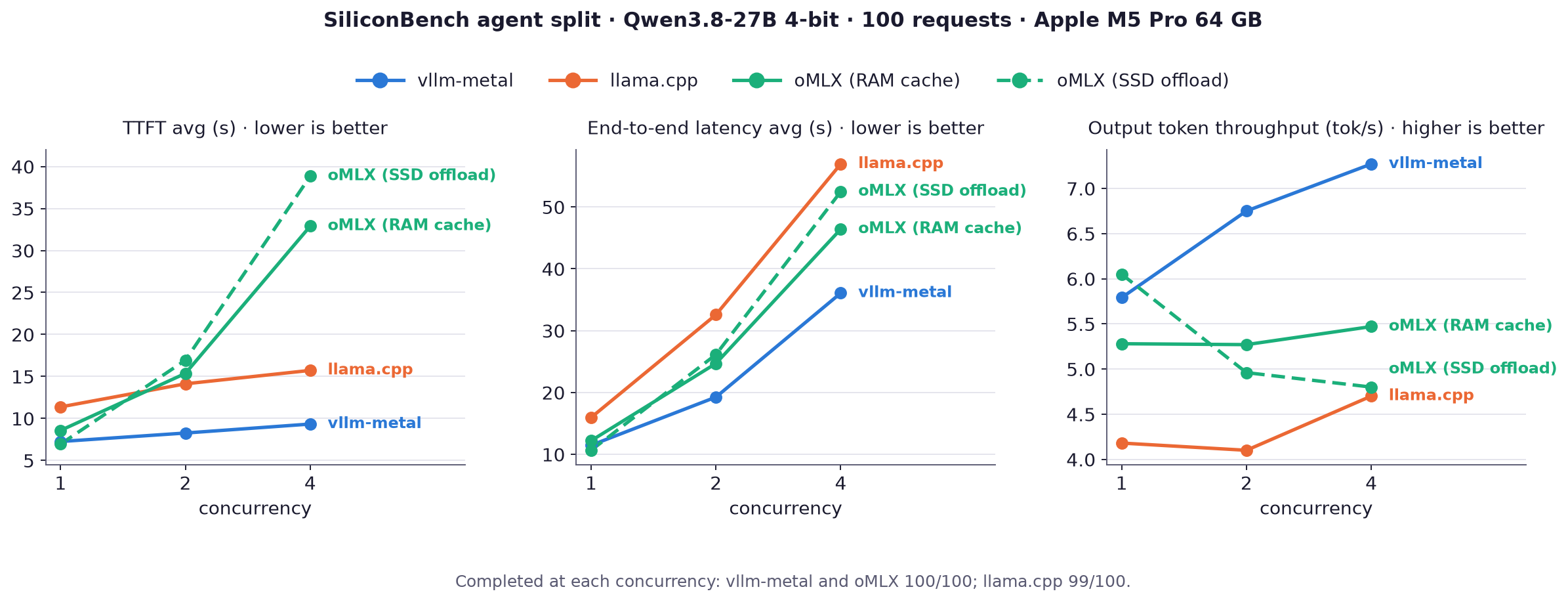
vllm-metal brings vLLM's paged, continuously batched serving stack to Apple Silicon, with flatter TTFT under concurrent agent load, batched MTP, and automatic M5 prefill acceleration.
25 posts
vllm-metal brings vLLM's paged, continuously batched serving stack to Apple Silicon, with flatter TTFT under concurrent agent load, batched MTP, and automatic M5 prefill acceleration.

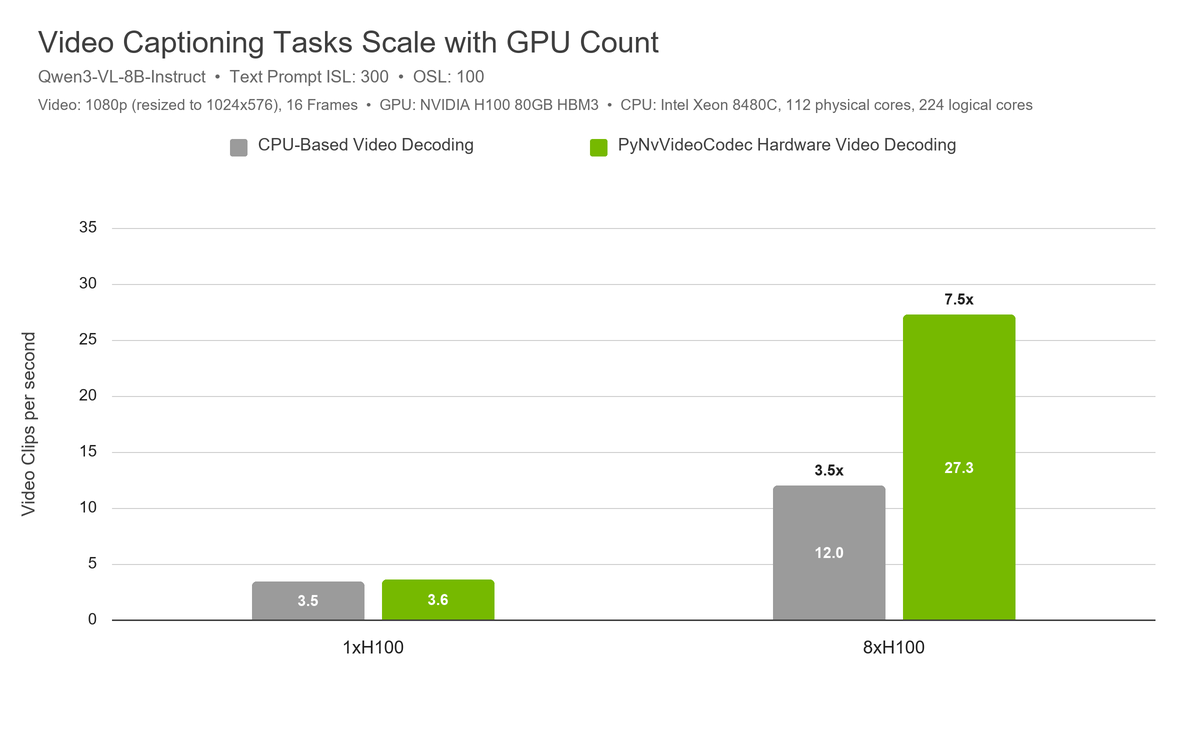
How to leverage NVIDIA Hardware Video Decoders to Achieve Multi-GPU Scaling in Video Captioning and Description tasks.

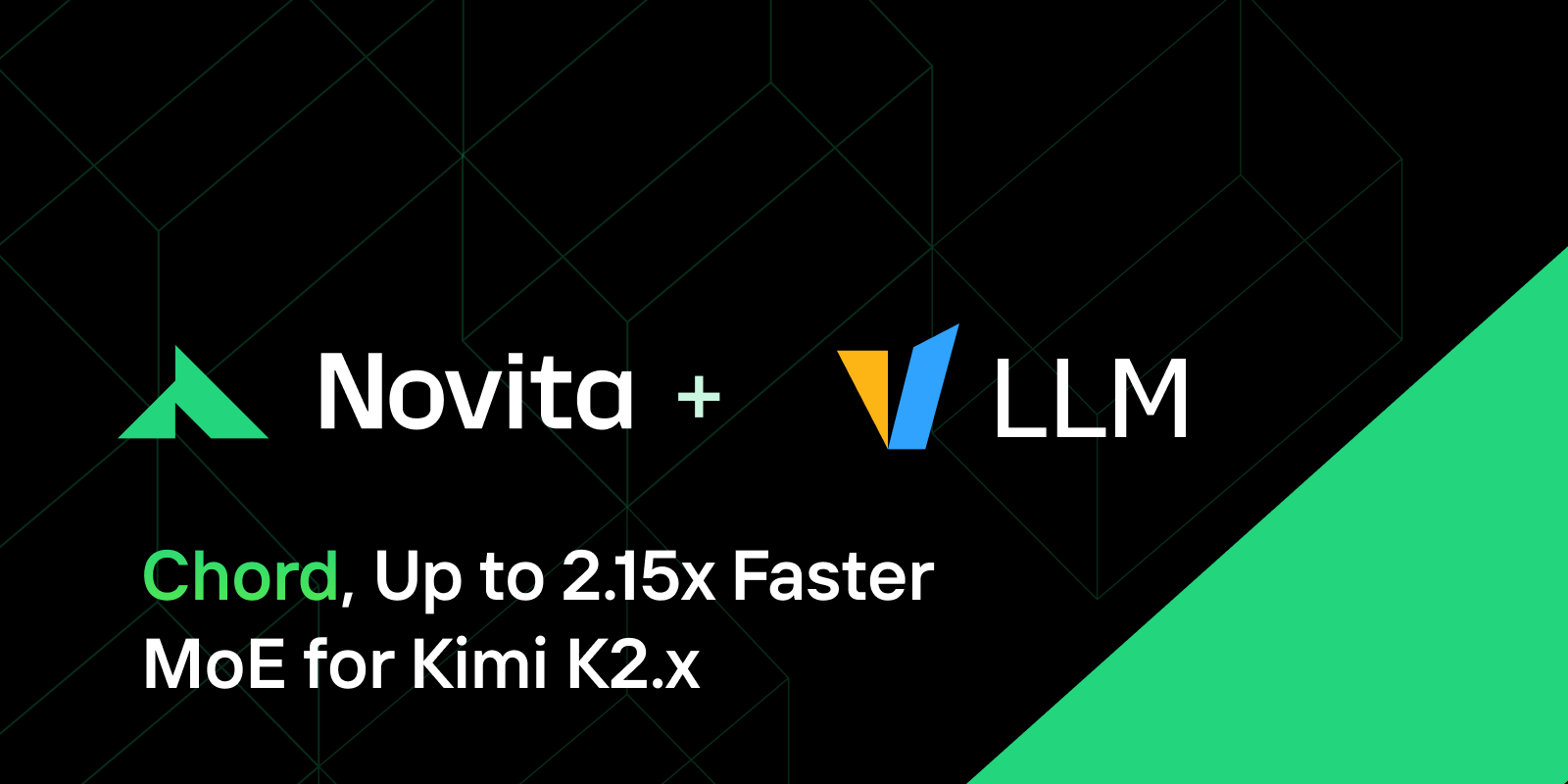
Novita AI has open-sourced Chord, a high-performance W4A16 MoE CUDA kernel for Kimi K2.x serving shapes, with a Humming-compatible indexed path and grouped SM90 operators.

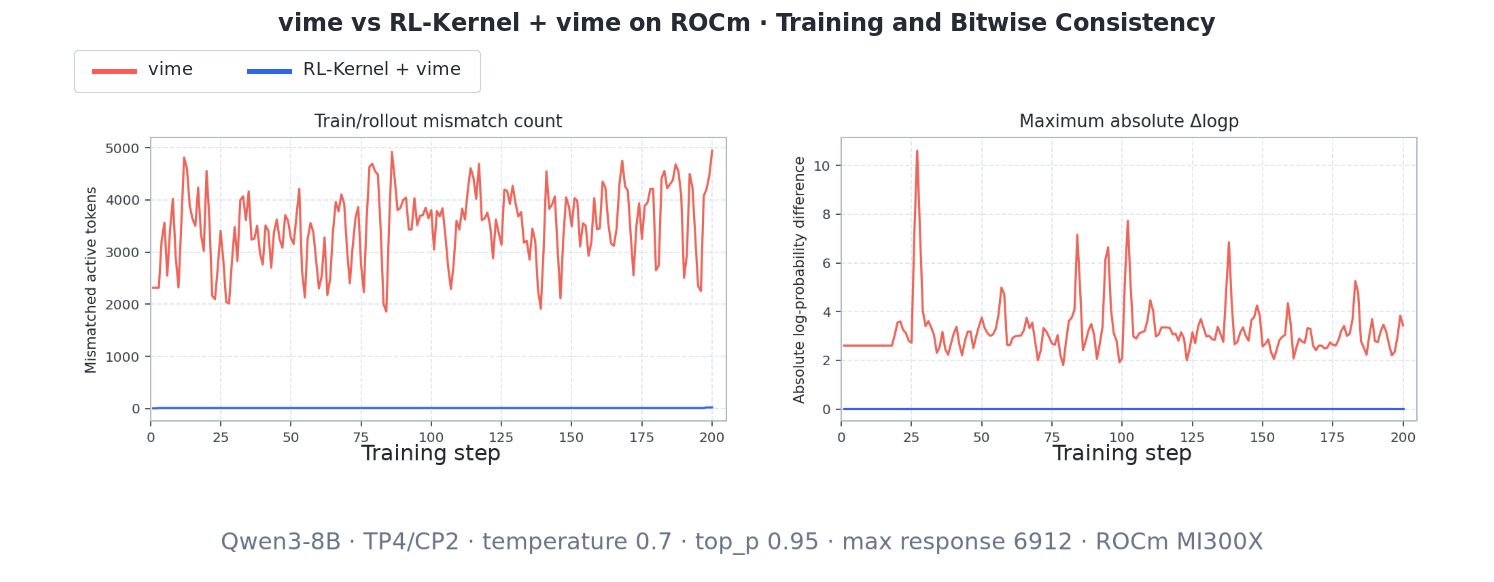
vime and RL-Kernel align selected-token logprobs bit for bit across Megatron training and vLLM rollout on AMD Instinct MI300X, with zero mismatches across 200 GRPO steps.
A performance model for LLM serving: inspect local shapes, remove repeated work, verify data movement and dispatch, then follow the queue.
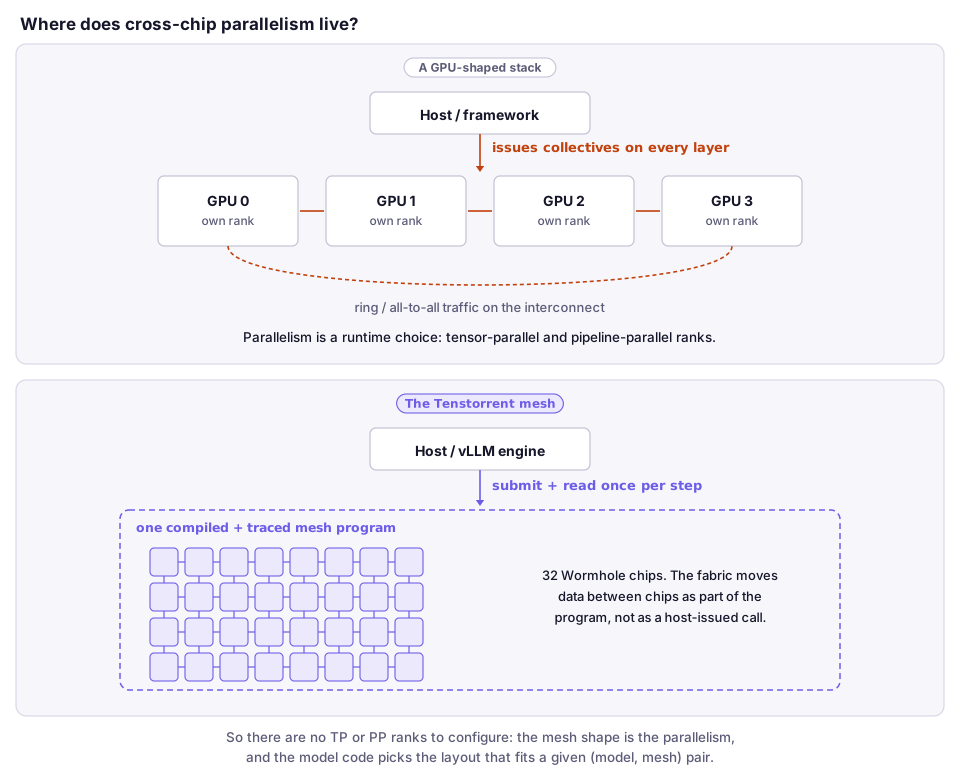
Tenstorrent accelerators join vLLM as an out-of-tree platform plugin, driven by mesh-architecture choices: phase-based scheduling, single-process data parallelism on Galaxy, on-device sampling with host fallback, and async decode overlap.

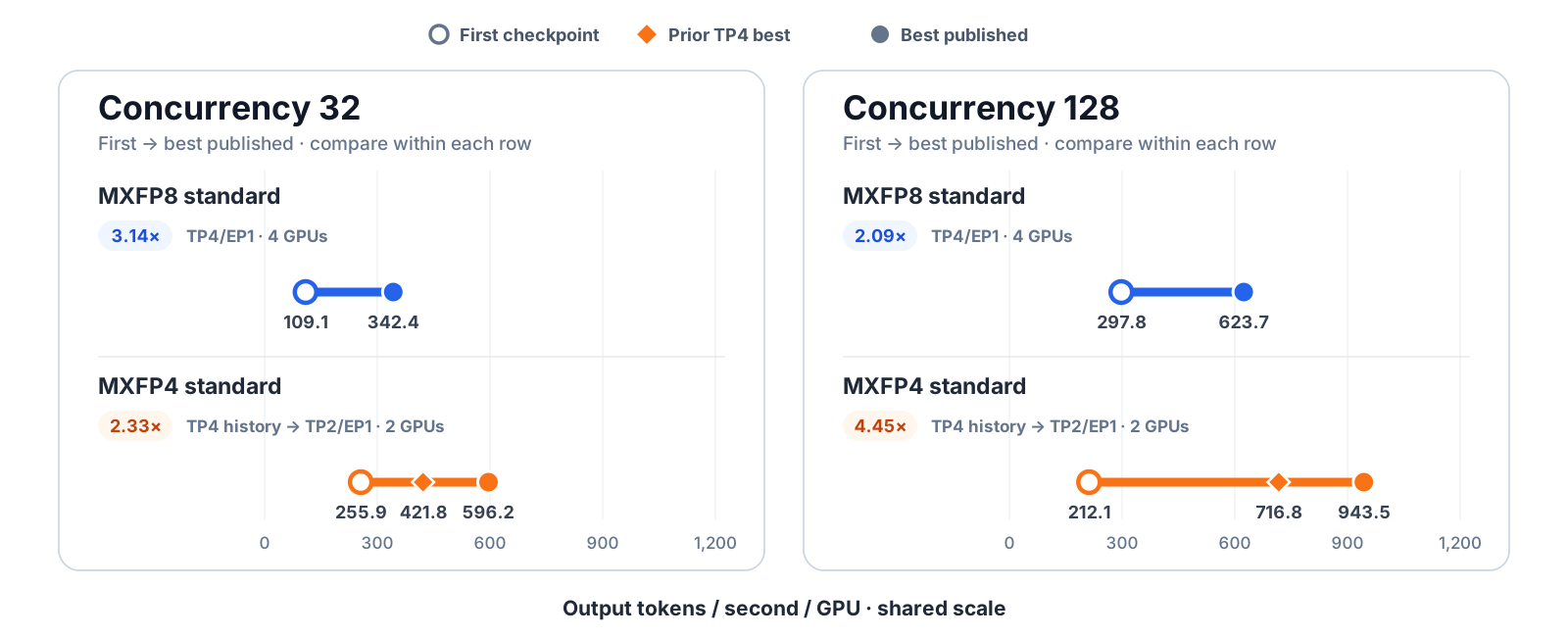
Day-0 vLLM support for Qwen3.8-2.4T-A95B: a 2.4-trillion-parameter hybrid MoE model served out of the box, with FP8/BF16 checkpoints plus NVFP4 and MXFP4 quantized weights, and co-developed kernels on NVIDIA and AMD hardware.

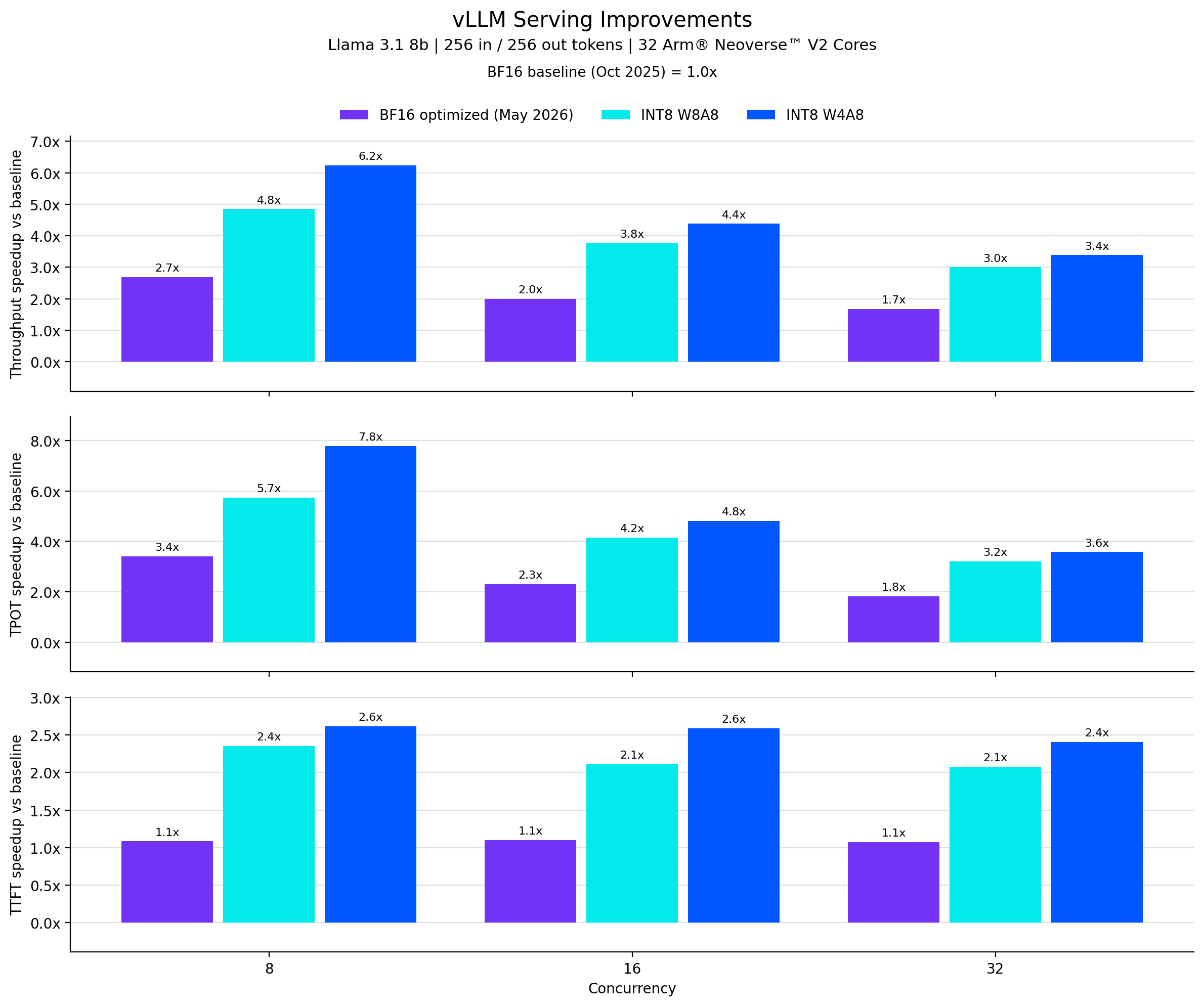
An overview of Arm CPU enablement and inference performance optimizations in vLLM.

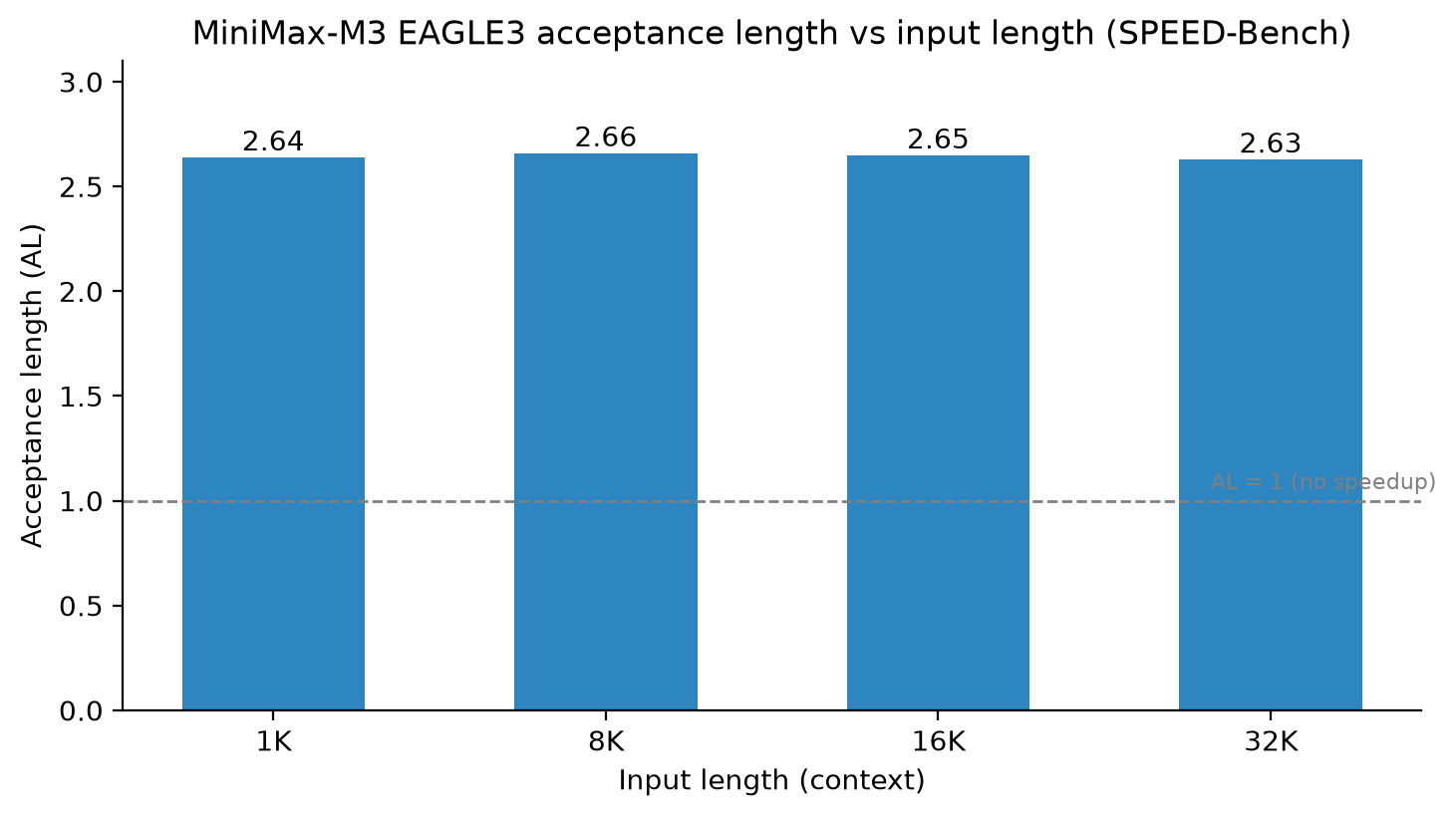
How AMD Quark trains, quantizes, and serves EAGLE3 speculative-decoding drafts with vLLM on AMD Instinct GPUs, delivering up to 2.00x throughput gains for Kimi-K2.5 and 1.79x for MiniMax-M2.5.

Announcing ROCm support for vime, now running end-to-end on AMD Instinct MI355X GPUs with prebuilt container.

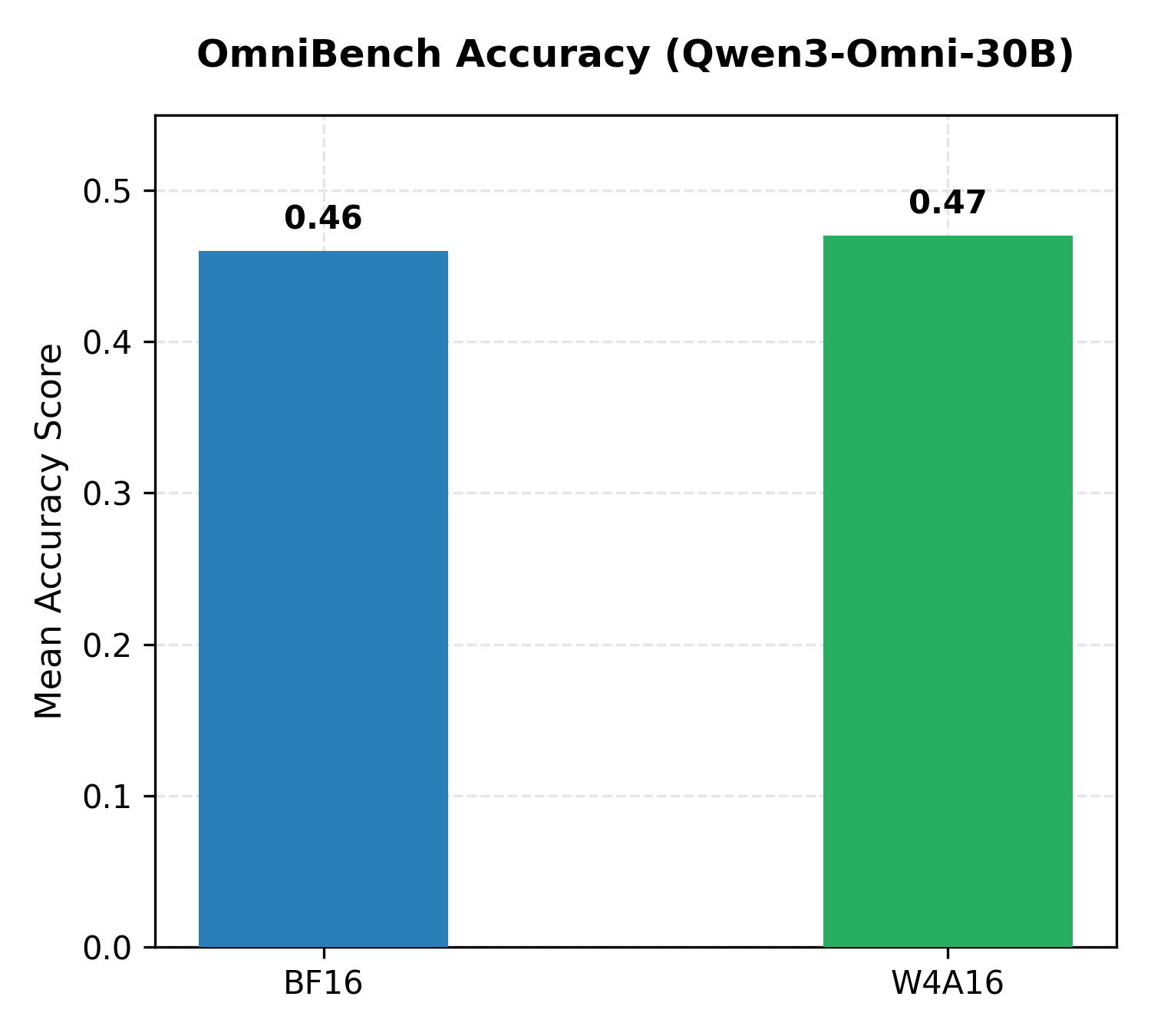
How AutoRound integrates with vLLM-Omni to serve W4A16 quantized multimodal, diffusion, image, and video models with smaller checkpoints, preserved quality, Intel XPU acceleration, and NVIDIA GPU support.

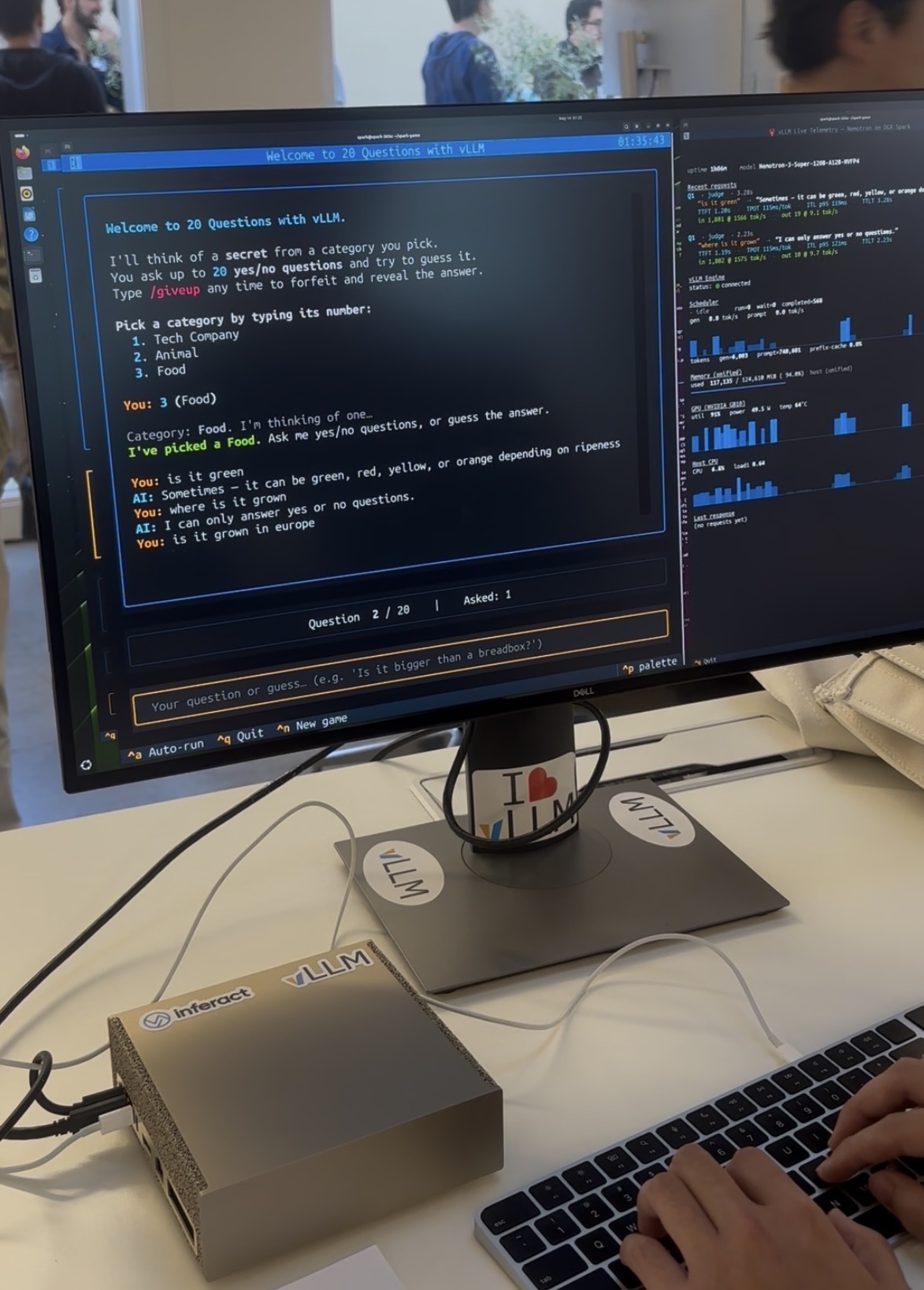
How to run vLLM on NVIDIA DGX Spark and GB10 systems, including unified memory behavior, NVFP4 Nemotron-3-Super serving, Docker deployment, Prometheus metrics, and local evaluation results.

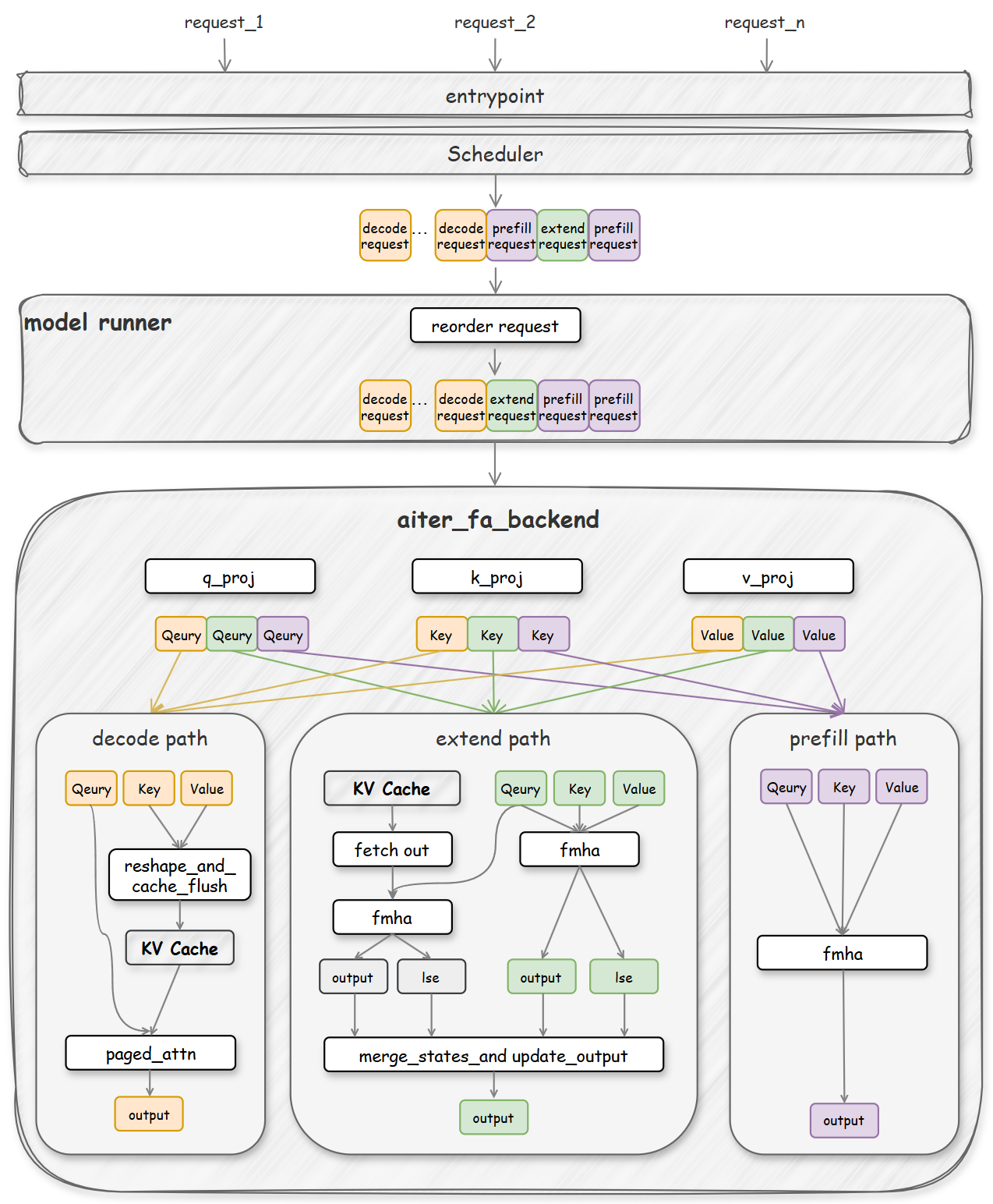
How vLLM orchestrates high-performance inference on AMD ROCm with multiple attention backends, workload-aware prefill, extend, and decode routing, AITER primitives, MLA support, and MI300X-class benchmarks.

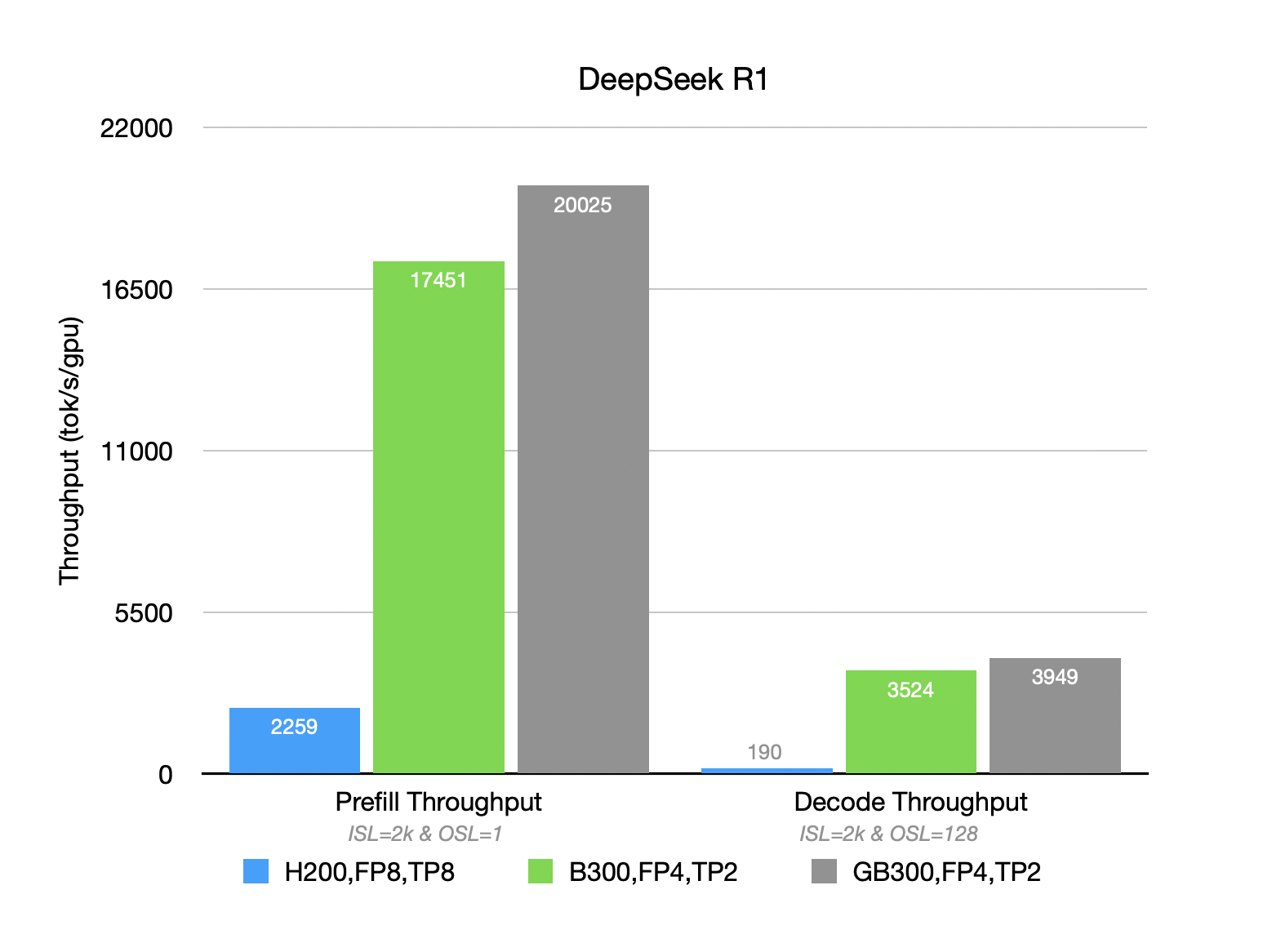
What DeepSeek-V3.2 and DeepSeek-R1 benchmark results show on NVIDIA GB300 with vLLM, covering NVFP4 quantization, TP and EP deployment, throughput, and reproducible setup details.

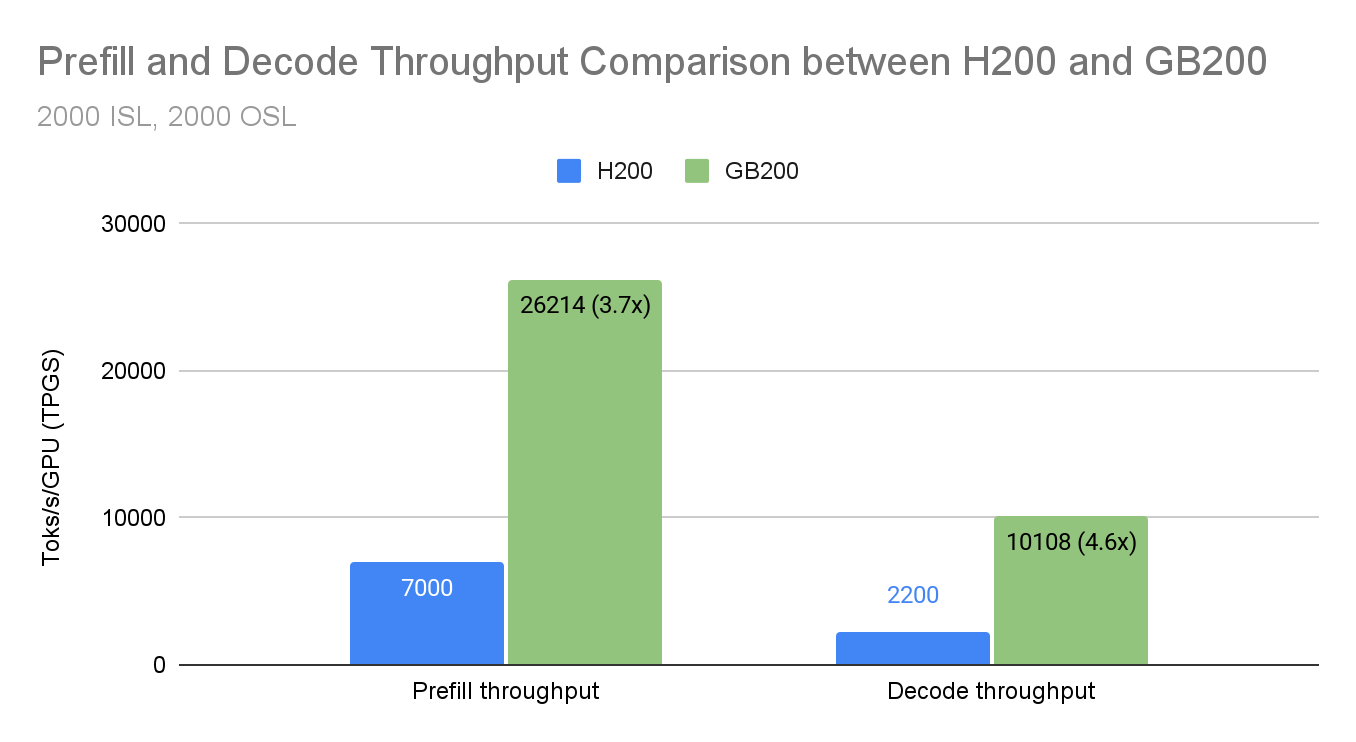
How vLLM improves WideEP and large-scale DeepSeek-style MoE serving on NVIDIA GB200 with NVFP4 and FP8 kernels, fusion, prefill/decode disaggregation, weight offloading, and reduced chunking overhead.

How vLLM and NVIDIA optimized GPT-OSS on Blackwell with FlashInfer, torch.compile fusion, FP8 KV cache, async scheduling, stream interval tuning, and deployment recipes that improve throughput and interactivity.

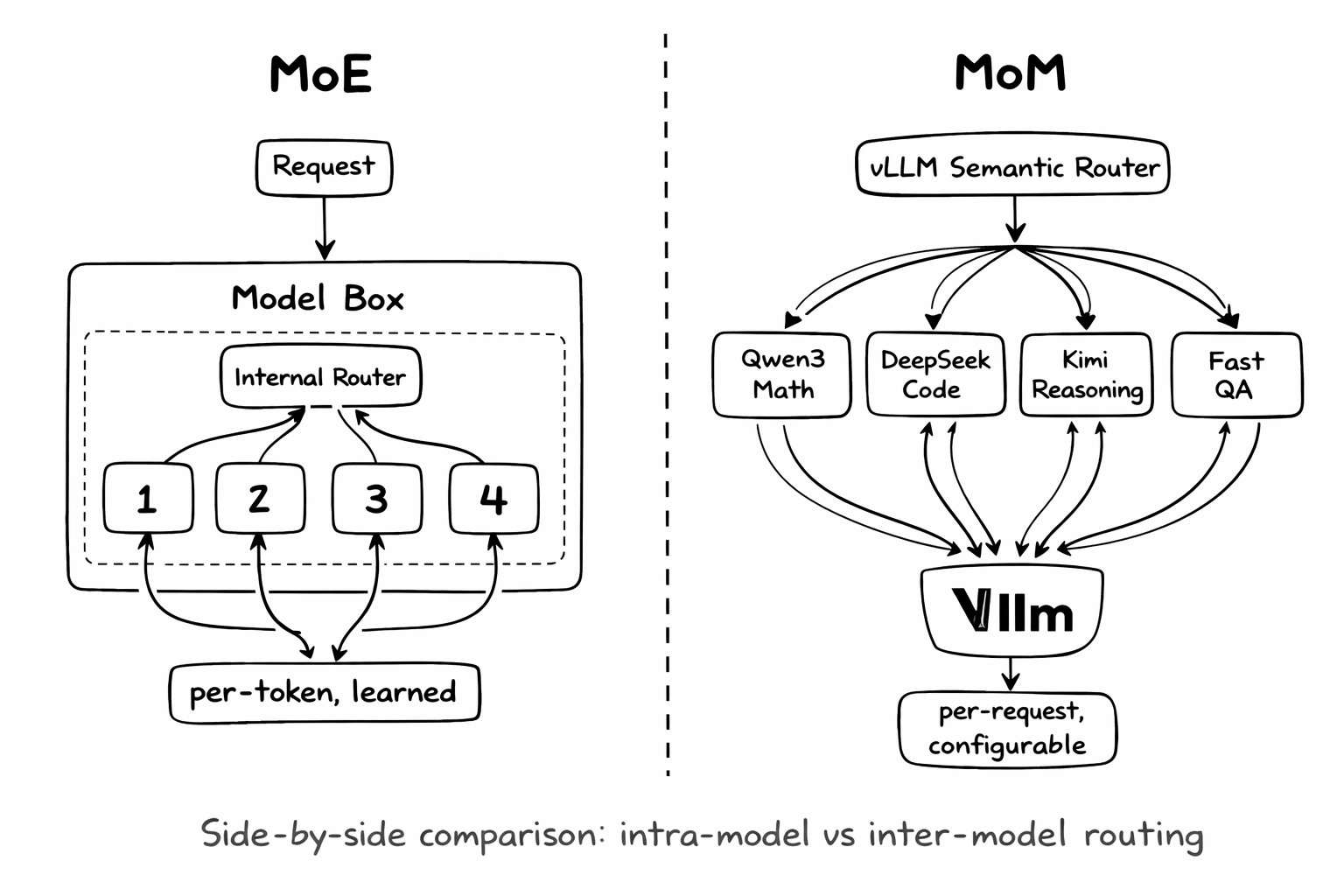
How vLLM Semantic Router builds a Mixture-of-Models system on AMD MI300X and MI355X GPUs, routing across specialized models with signals, decisions, safety checks, semantic caching, and live MoM deployment.

How AMD and vLLM Semantic Router build GPU-accelerated Mixture-of-Models routing with signals, semantic caching, response storage, PII, jailbreak, and hallucination guardrails.

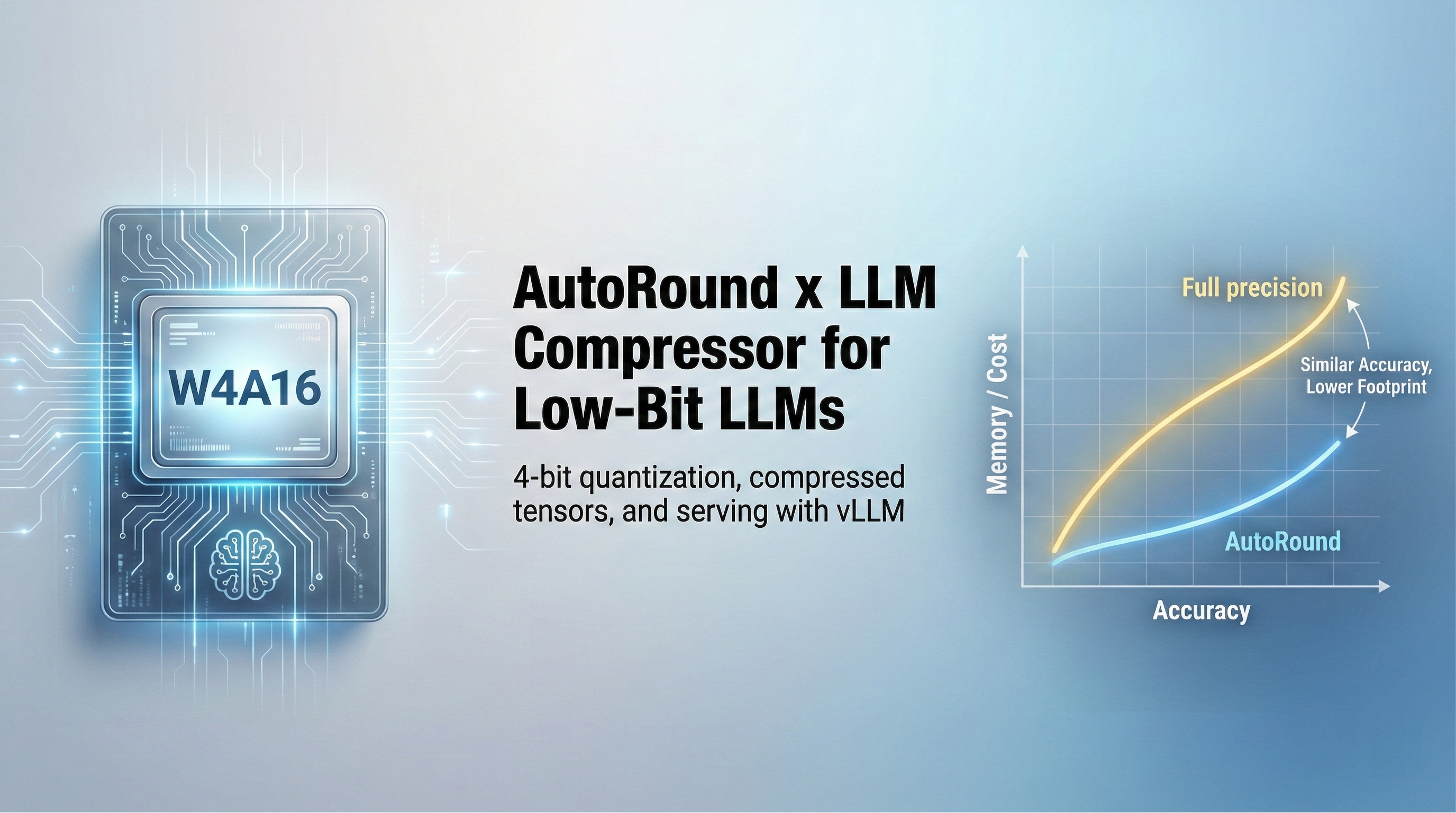
How Intel AutoRound integrates with LLM Compressor to produce low-bit quantized checkpoints for vLLM, using tuning-based PTQ, W4A16 and related formats, compressed-tensors compatibility, and lightweight calibration.

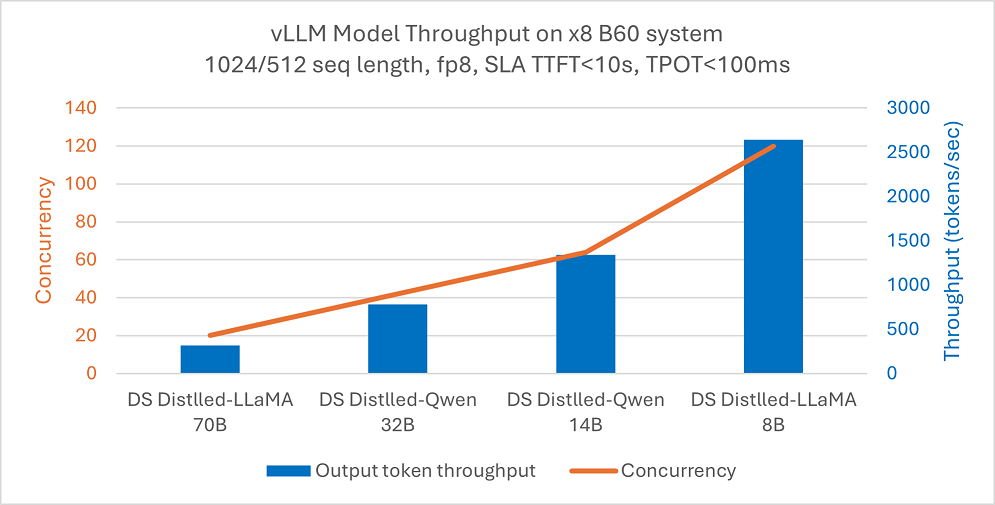
How vLLM serves LLMs on Intel Arc Pro B-Series GPUs with MoE optimizations, persistent kernels, multi-GPU scaling, LoRA, speculative decoding, structured outputs, and mixed-precision recipes.

How the redesigned vLLM TPU backend uses tpu-inference, JAX-to-XLA lowering, Torchax, ragged paged attention, and unified PyTorch and JAX support to improve TPU performance and model coverage.

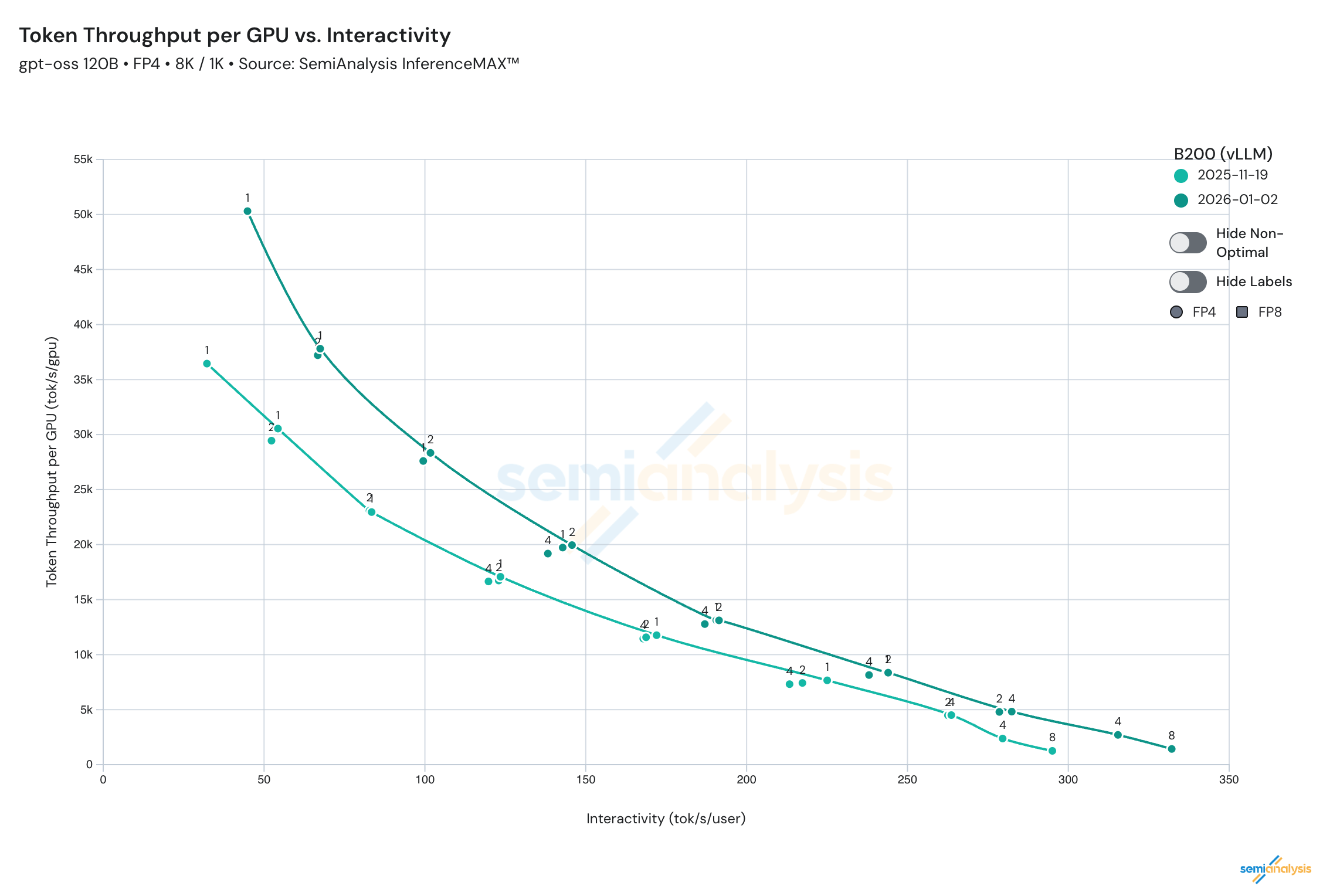
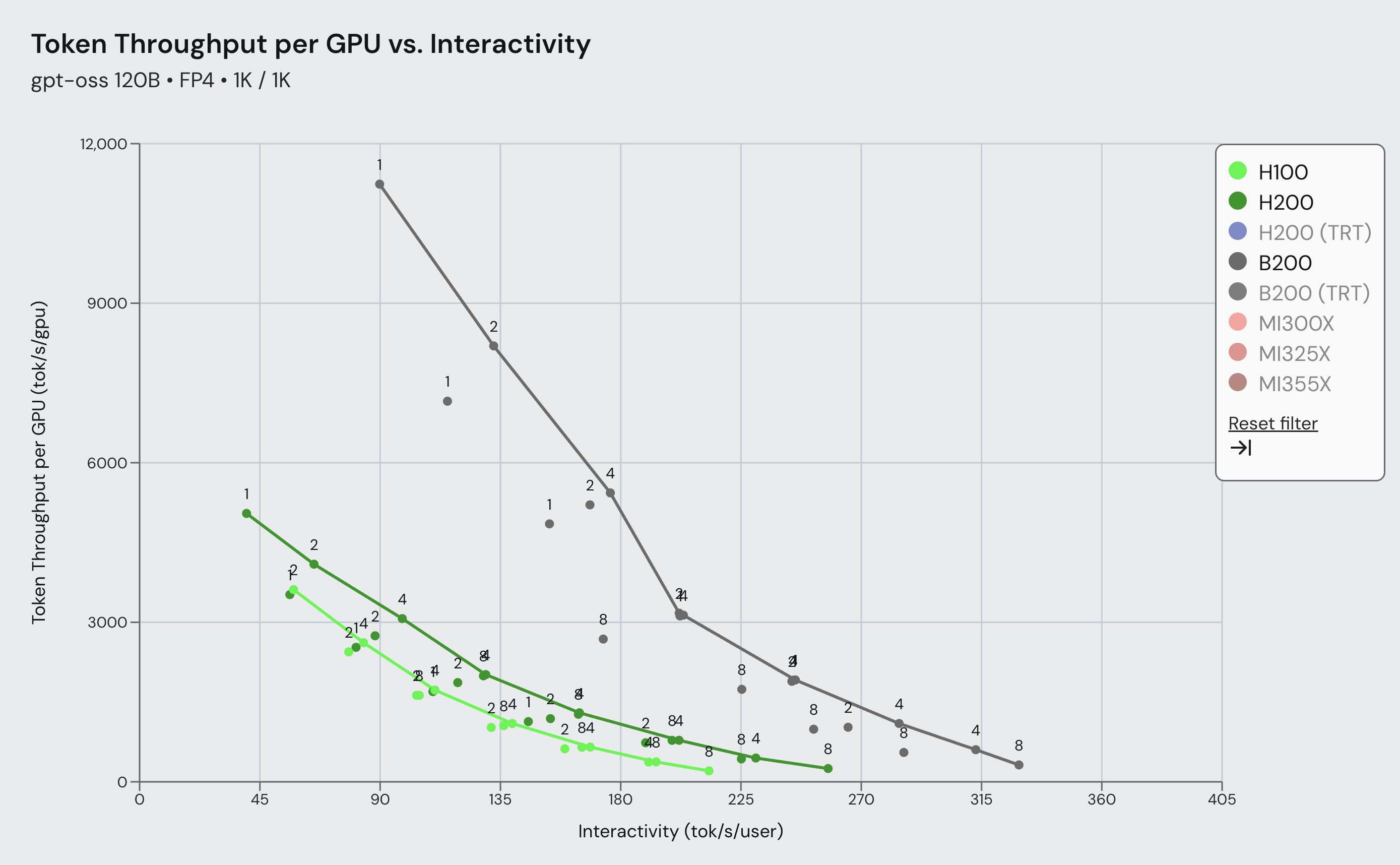
How vLLM and NVIDIA optimize Blackwell inference for SemiAnalysis InferenceMAX, improving gpt-oss 120B and Llama 3.3 70B throughput with FP4 kernels, scheduling work, and Pareto-frontier benchmarking.

How vLLM hardware plugins decouple backend integrations from core vLLM, using Platform, Executor, Worker, ModelRunner, AttentionBackend, and Communicator hooks to support Ascend NPU and IBM Spyre.

How PTPC-FP8 quantization improves vLLM performance on AMD ROCm by combining per-token activation scaling and per-channel weight scaling for near-BF16 accuracy with FP8 speed.

Best practices for serving LLMs with vLLM on AMD MI300X, covering ROCm setup, Llama 3.1 70B and 405B benchmarks, chunked prefill, multi-step scheduling, prefix caching, graph capture, and AMD tuning.