
Day 0 support for Muse Spark Open on vLLM
·9 min read
Day-0 vLLM support for Muse Spark Open: 816B MoE, 1M context, multimodal inputs, DSpark speculative decoding, NVIDIA and AMD serving, initial TPU support, and LoRA RL.
23 posts
Day-0 vLLM support for Muse Spark Open: 816B MoE, 1M context, multimodal inputs, DSpark speculative decoding, NVIDIA and AMD serving, initial TPU support, and LoRA RL.
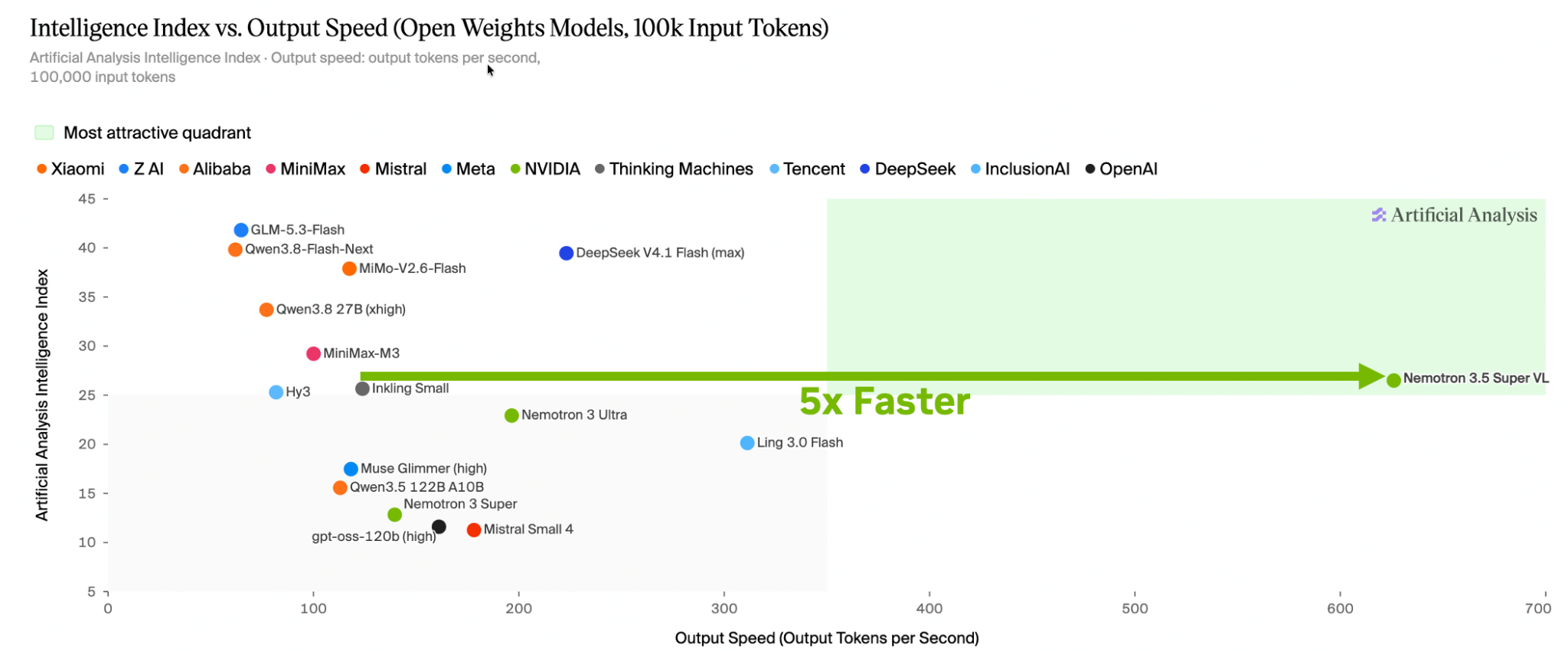
Run NVIDIA Nemotron 3.5 Super VL on vLLM for multimodal agent workflows with image, document, and video understanding, OpenAI-compatible serving, and multi-token prediction.
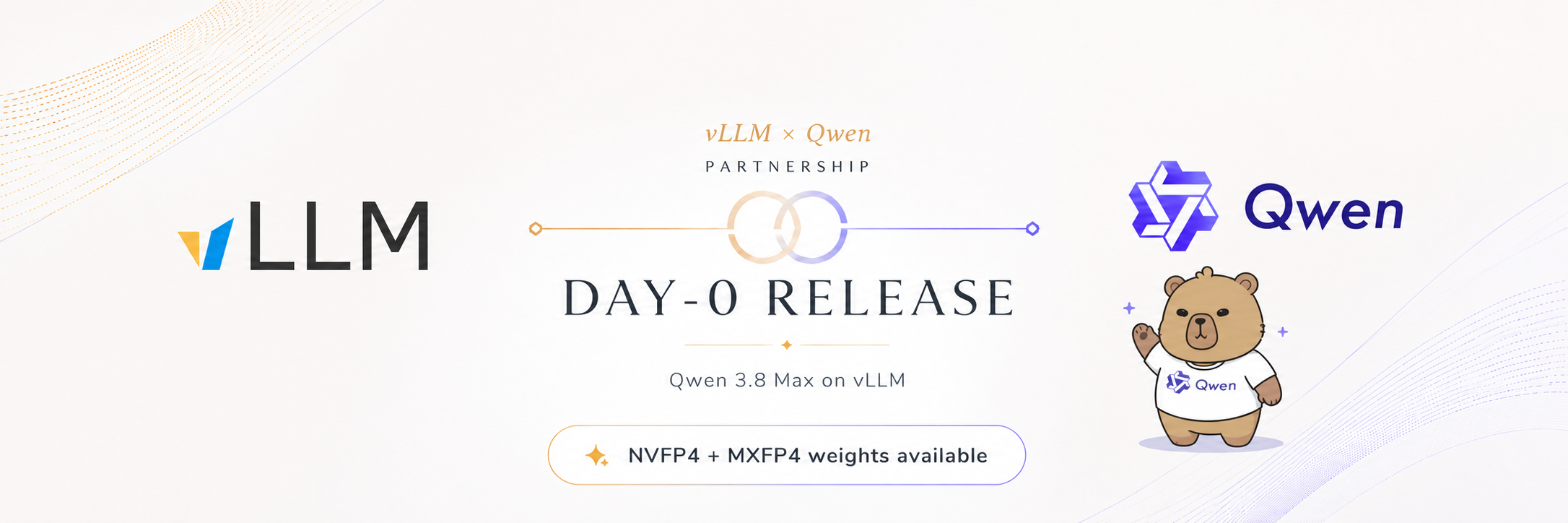
Day-0 vLLM support for Qwen3.8-2.4T-A95B: a 2.4-trillion-parameter hybrid MoE model served out of the box, with FP8/BF16 checkpoints plus NVFP4 and MXFP4 quantized weights, and co-developed kernels on NVIDIA and AMD hardware.
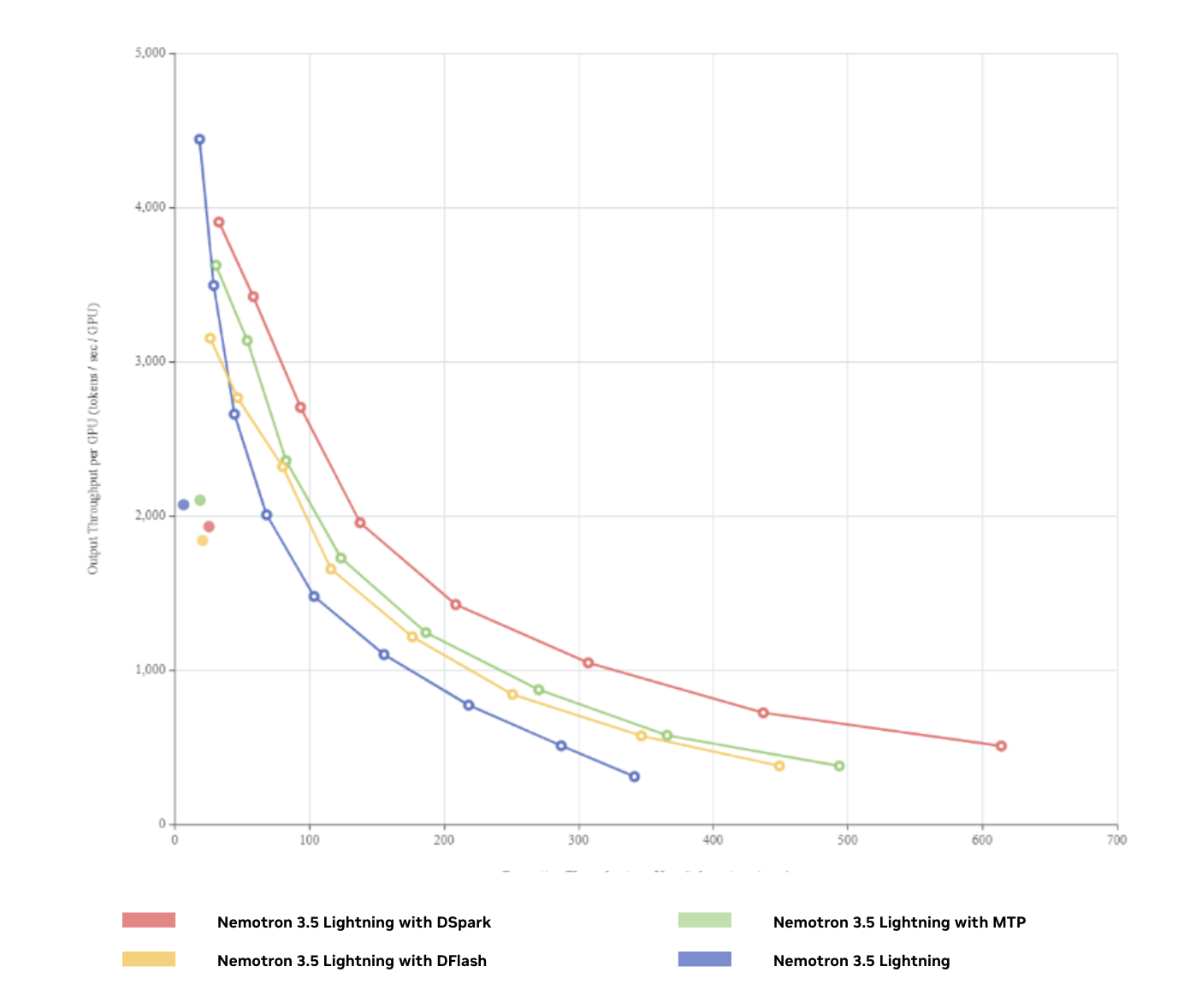
How vLLM serves NVIDIA Nemotron 3.5 Lightning with OpenAI-compatible APIs, speculative decoding, and BF16/NVFP4 checkpoints across NVIDIA GPUs and edge systems.
vLLM brings day-0 support to TML Inkling, a 1T-parameter multimodal model, with MTP, long-context serving, parallelism, and up to 380 tokens per second per user on NVIDIA GB200 GPUs.
How to serve NVIDIA Nemotron 3 Ultra with vLLM for long-running agentic reasoning, including BF16 and NVFP4 checkpoints, supported GPU configurations, OpenAI-compatible deployment, and NeMo RL integration.
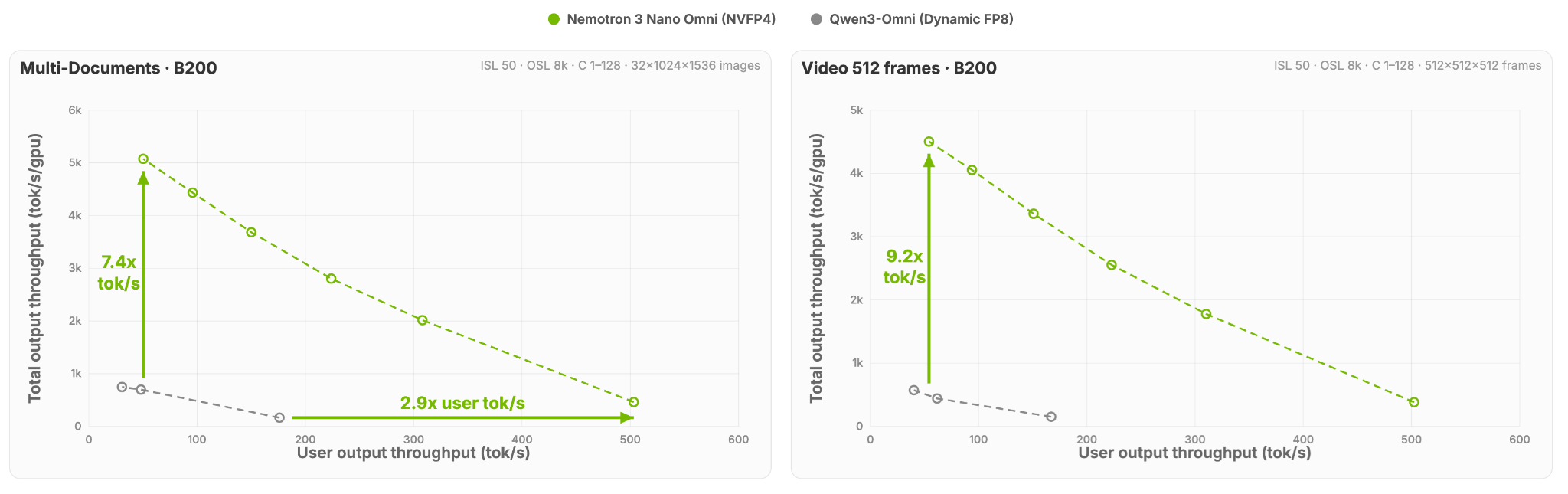
How to serve NVIDIA Nemotron 3 Nano Omni with vLLM for multimodal agentic AI, including BF16, FP8, and NVFP4 checkpoints, vision/audio/video inputs, supported GPUs, OpenAI-compatible APIs, and deployment recipes.
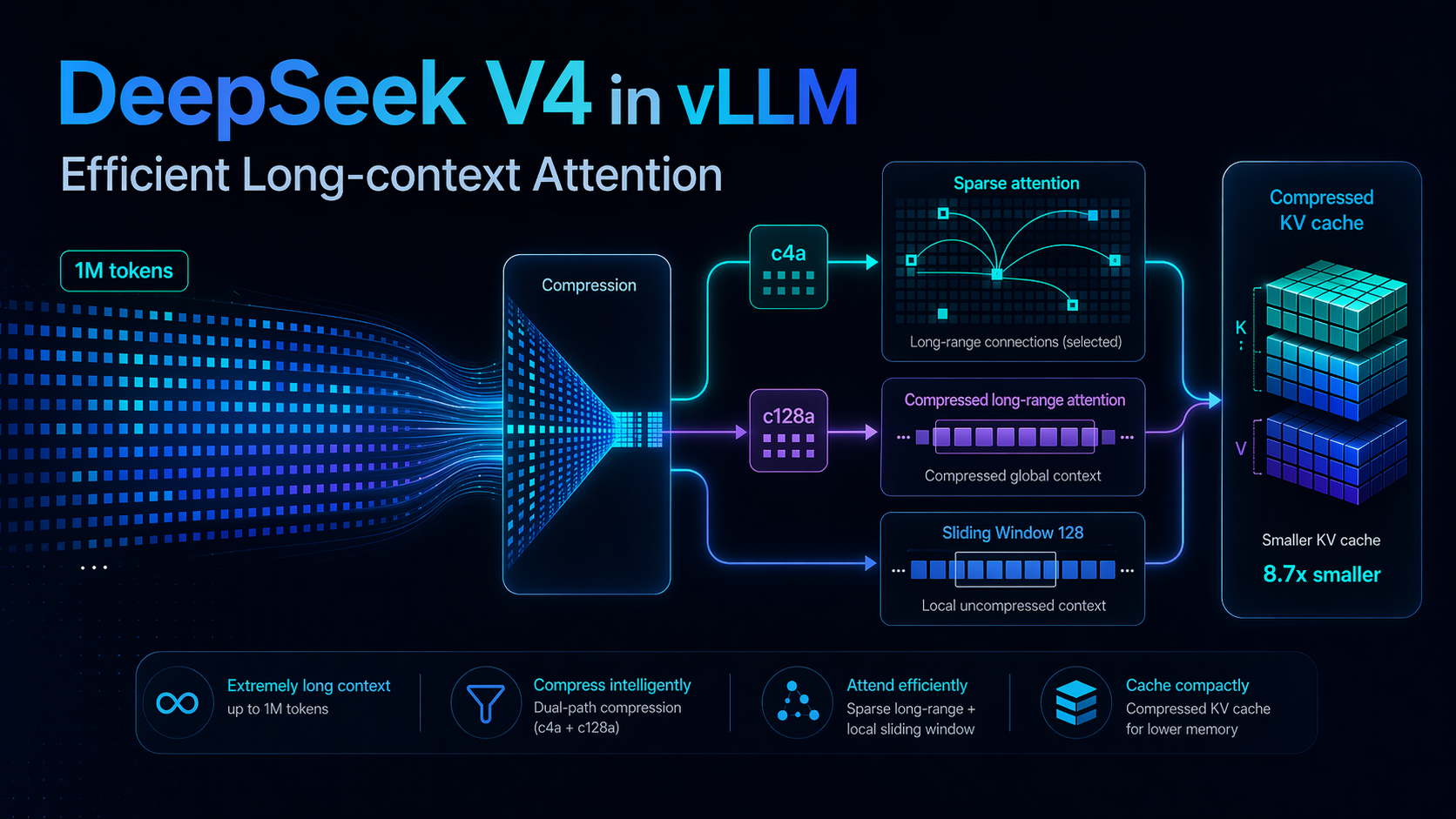
A first-principles walkthrough of DeepSeek V4's long-context attention, and how we implemented it in vLLM.
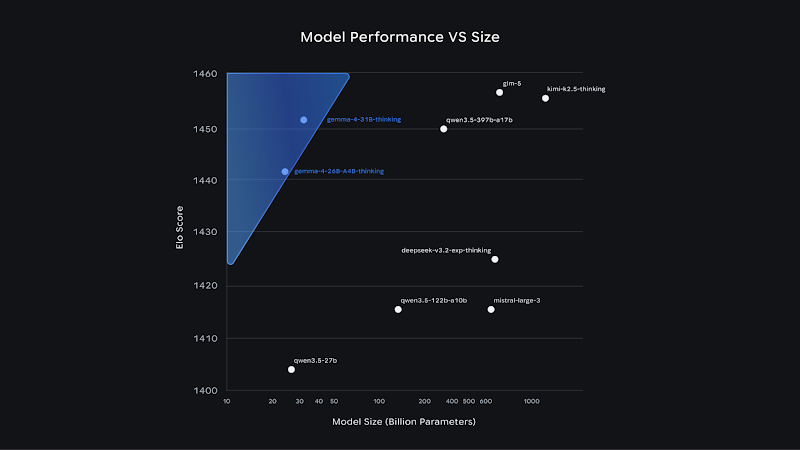
How vLLM supports Google's Gemma 4 open models across NVIDIA, AMD, Intel, and TPU backends, with multimodal inputs, agentic workflows, long context, function calling, and deployment recipes.
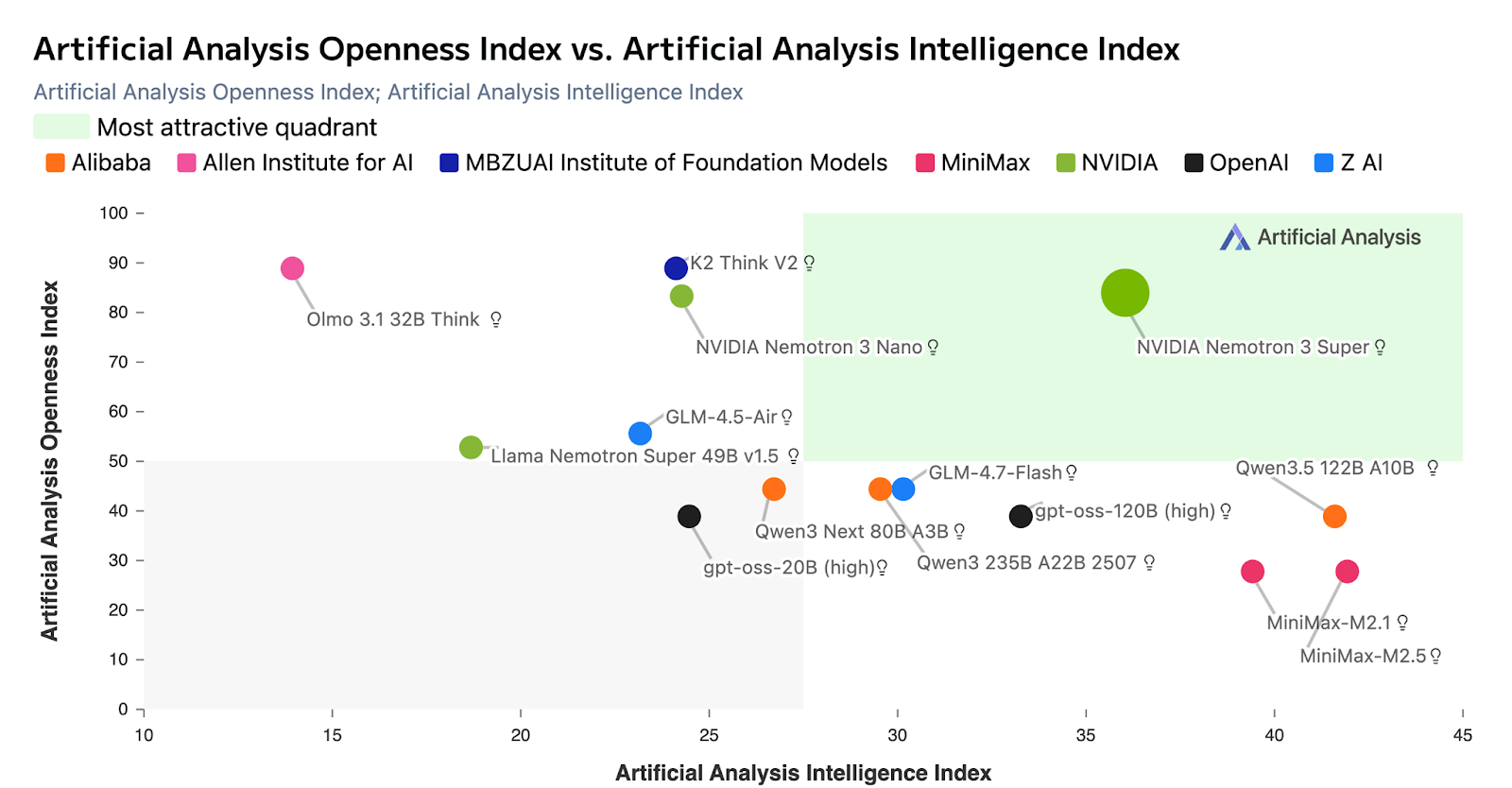
How to serve NVIDIA Nemotron 3 Super with vLLM for multi-agent AI, including BF16, FP8, and NVFP4 checkpoints, 1M-token context, Thinking Budget, MTP, supported GPUs, and OpenAI-compatible deployment.
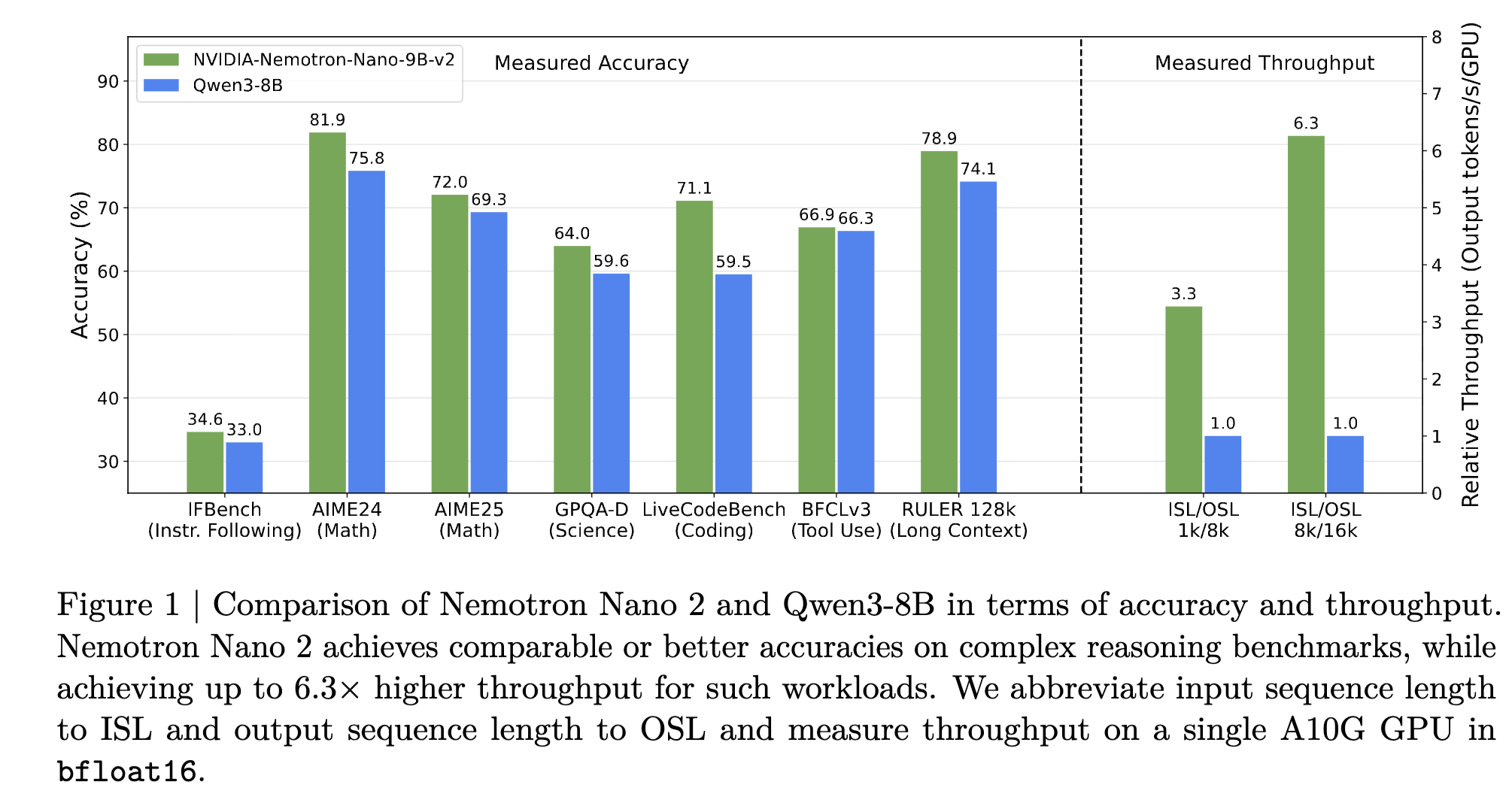
How to serve NVIDIA Nemotron 3 Nano with vLLM for efficient agentic AI, including BF16, FP8, and NVFP4 checkpoints, 1M-token context, hybrid MoE architecture, Thinking Budget, supported GPUs, and OpenAI-compatible deployment.
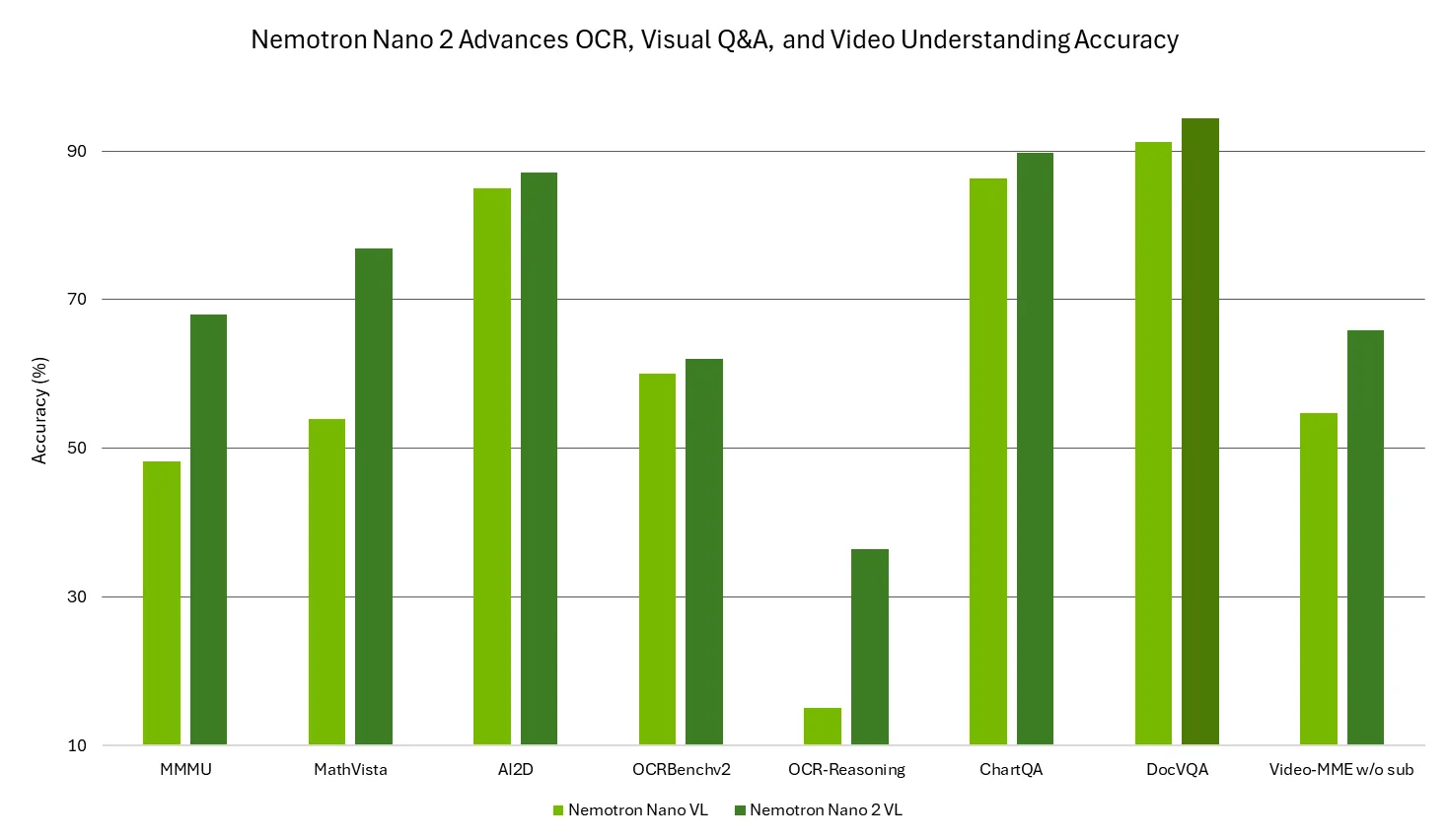
How to serve NVIDIA Nemotron Nano 2 VL with vLLM for multimodal reasoning agents, including video understanding, document intelligence, Efficient Video Sampling, 128K context, and OpenAI-compatible deployment.
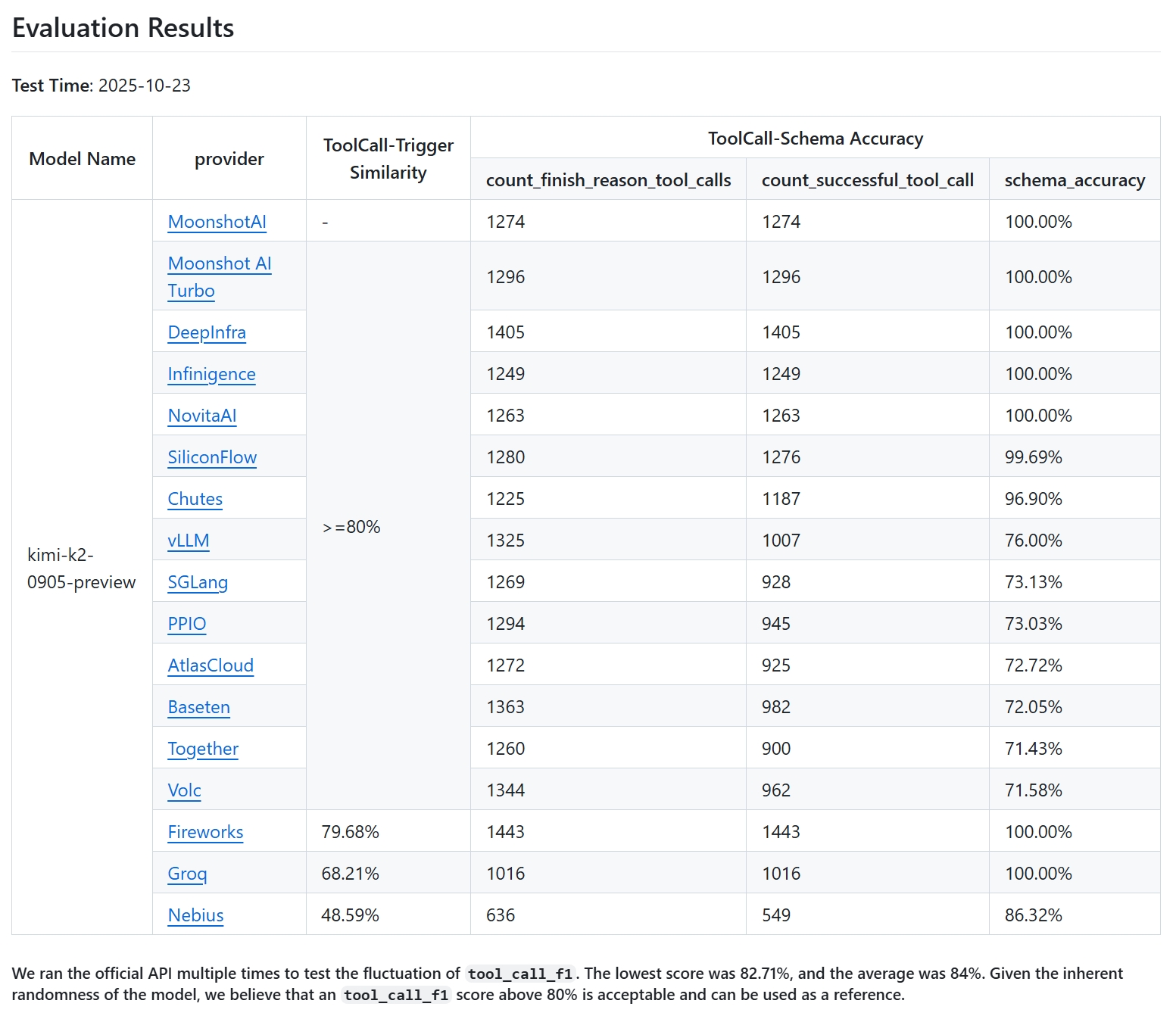
How vLLM debugged Kimi K2 tool-calling accuracy, covering chat-template compatibility, add_generation_prompt handling, schema validation failures, benchmark fixes, and tool-use reliability.
How vLLM serves NVIDIA Nemotron Nano 2 for agentic reasoning, including hybrid Transformer-Mamba architecture, thinking budget control, open weights and data, throughput benefits, and deployment commands.
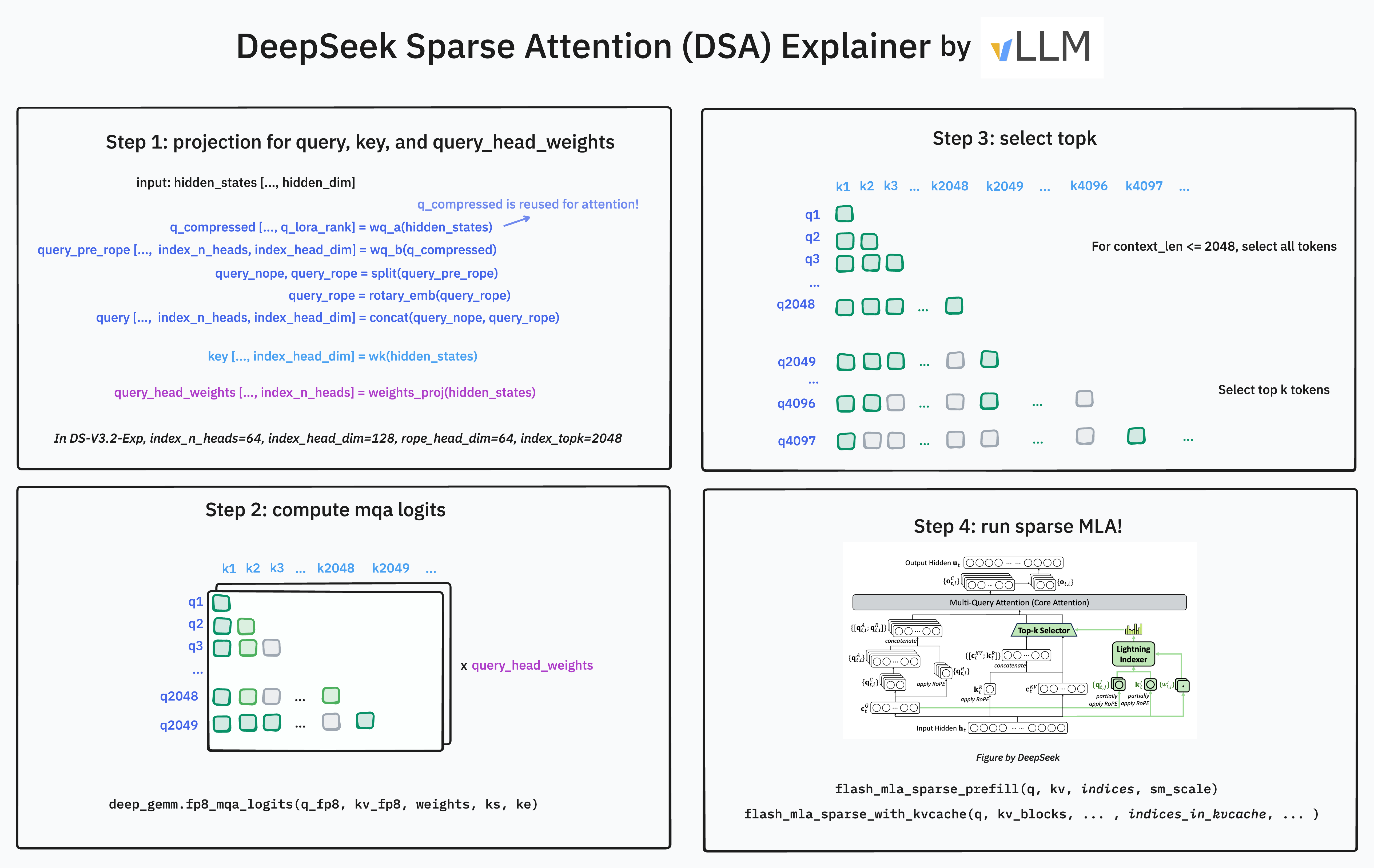
How vLLM supports DeepSeek-V3.2-Exp with DeepSeek Sparse Attention, lightning indexer caches, separate prefill and decode paths, FlashMLA sparse attention, DeepGEMM kernels, and Blackwell deployment.
How vLLM supports Qwen3-Next with hybrid attention, Gated DeltaNet, full attention, high-sparsity MoE, multi-token prediction, hybrid KV cache management, Triton kernels, and CUDA graphs.
How to run GLM-4.5 and GLM-4.5V with vLLM for intelligent agents, including hybrid reasoning modes, FP8 and BF16 serving, multimodal support, and NVIDIA Blackwell and Hopper deployment.
How vLLM supports gpt-oss 20B and 120B on NVIDIA Blackwell, Hopper, and AMD GPUs, with MXFP4 MoE kernels, efficient attention, hybrid KV cache allocation, and built-in tool support.
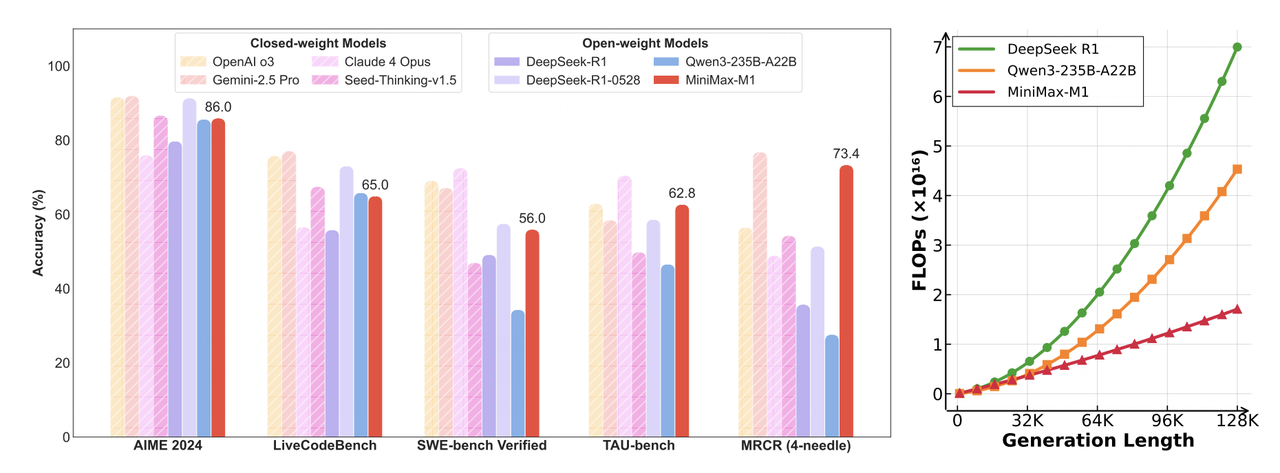
How vLLM serves MiniMax-M1's hybrid MoE architecture for long-context inference, covering model deployment, memory management, batched serving, backend optimizations, and Docker-based setup.
How vLLM integrates the Hugging Face Transformers modeling backend to serve more model architectures efficiently, including text and vision-language models through model_impl="transformers".
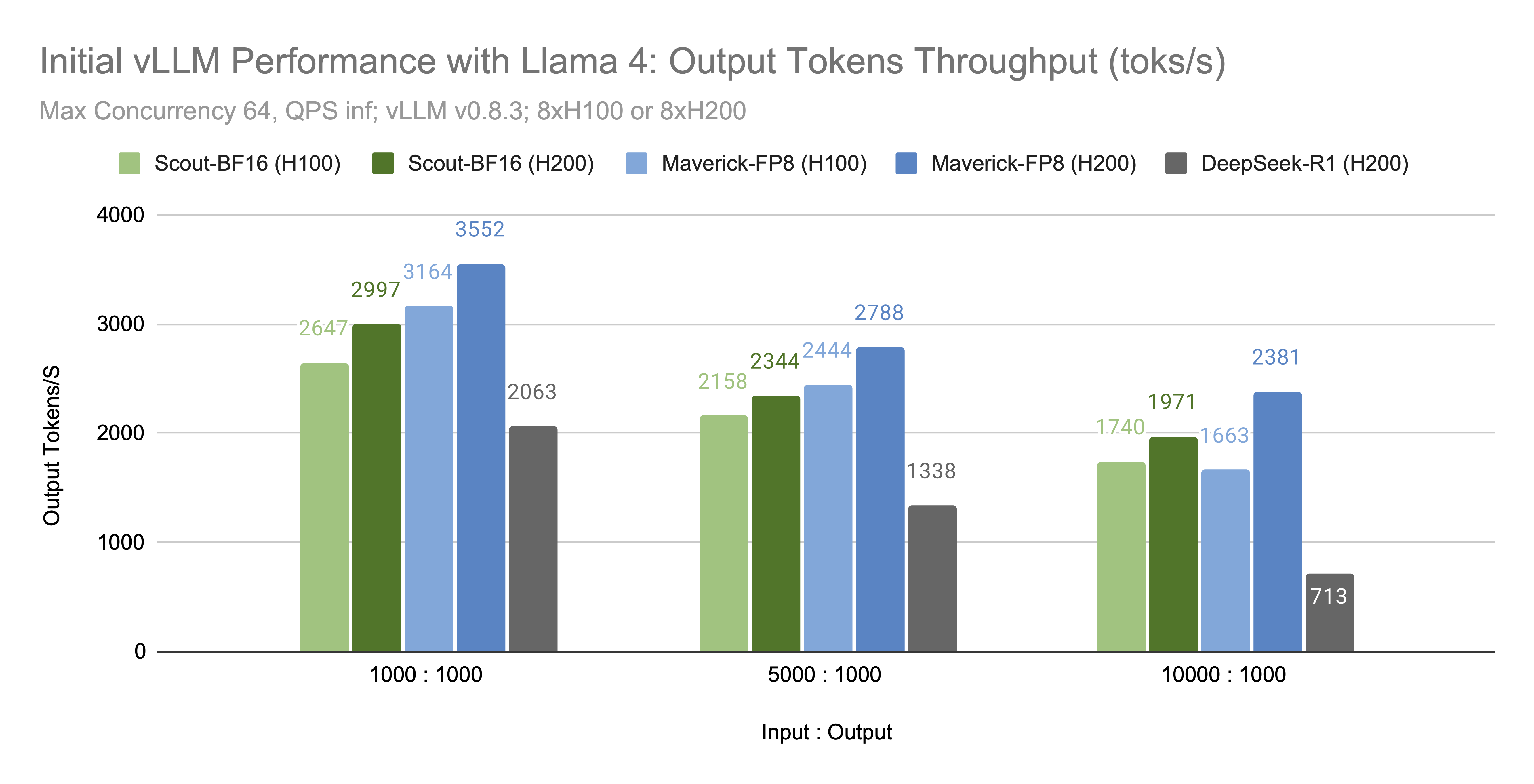
How vLLM serves Meta Llama 4 Scout and Maverick multimodal MoE models with long-context support, tensor parallel deployment, H100 and H200 guidance, FP8 variants, and performance tips.
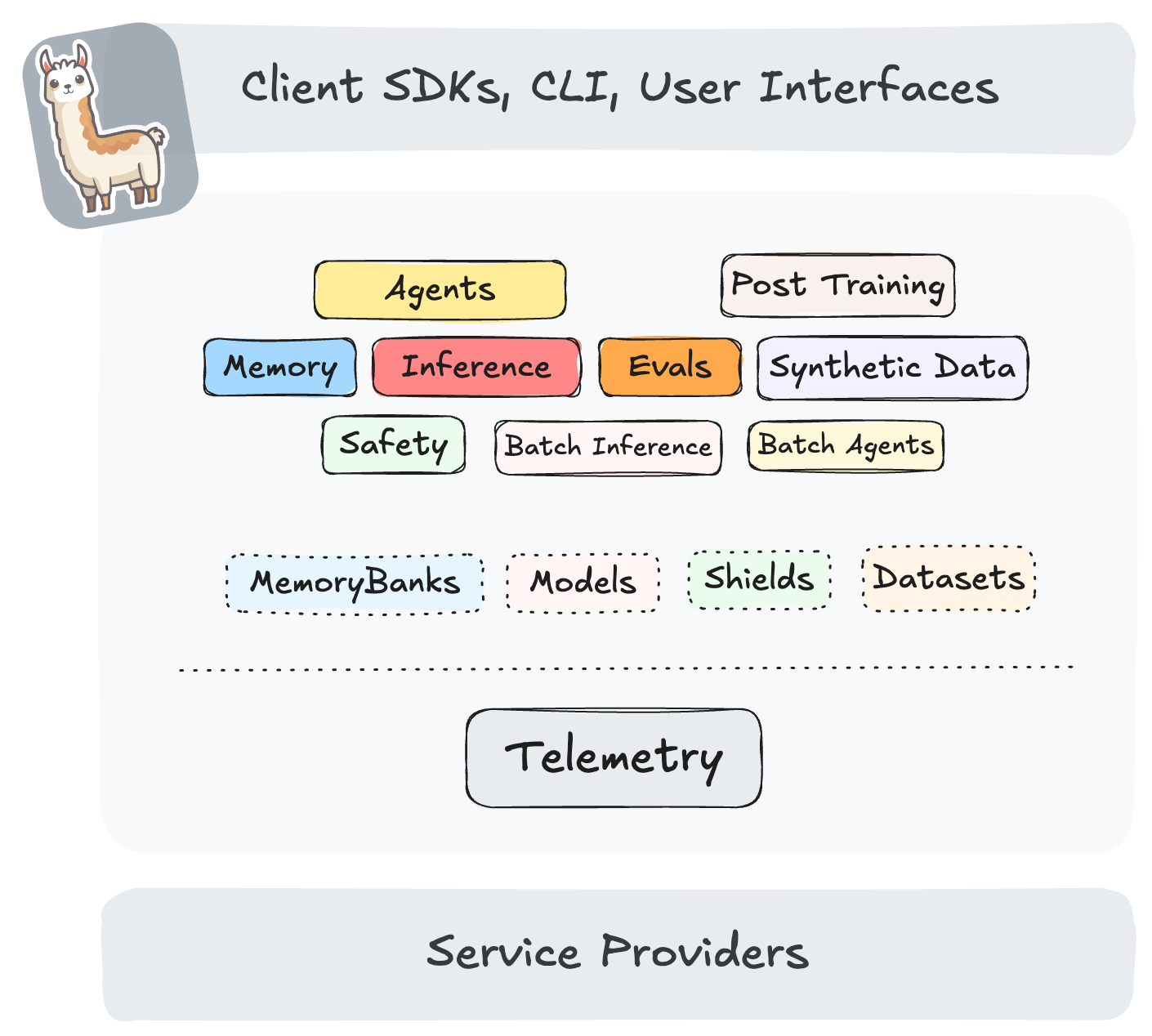
How Llama Stack integrates vLLM as an inference provider through remote and inline providers, enabling OpenAI-compatible vLLM serving for local and Kubernetes generative AI application deployments.
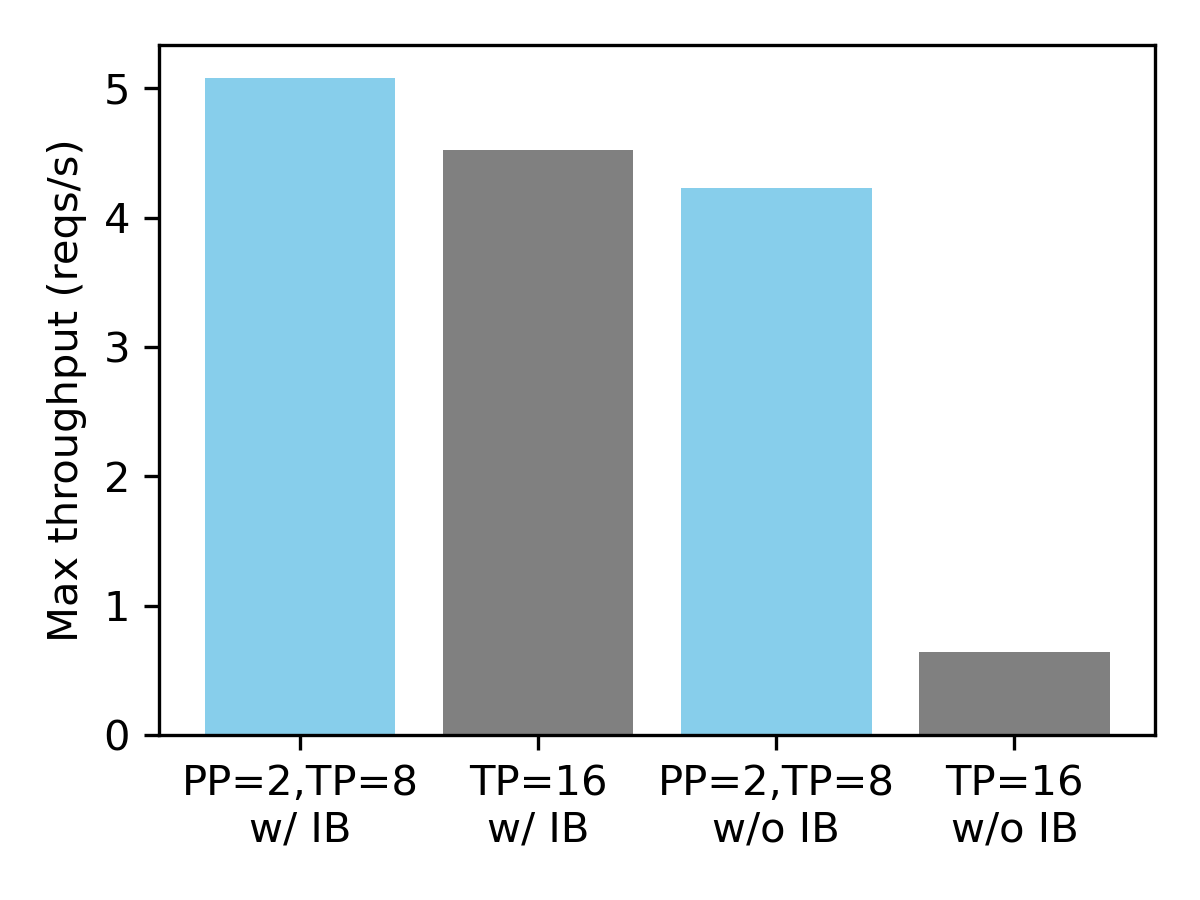
How vLLM supports Meta Llama 3.1 models, including 128K context, Llama 3.1 405B serving, chunked prefill, FP8 quantization, tensor and pipeline parallelism, CPU offloading, and early performance results.