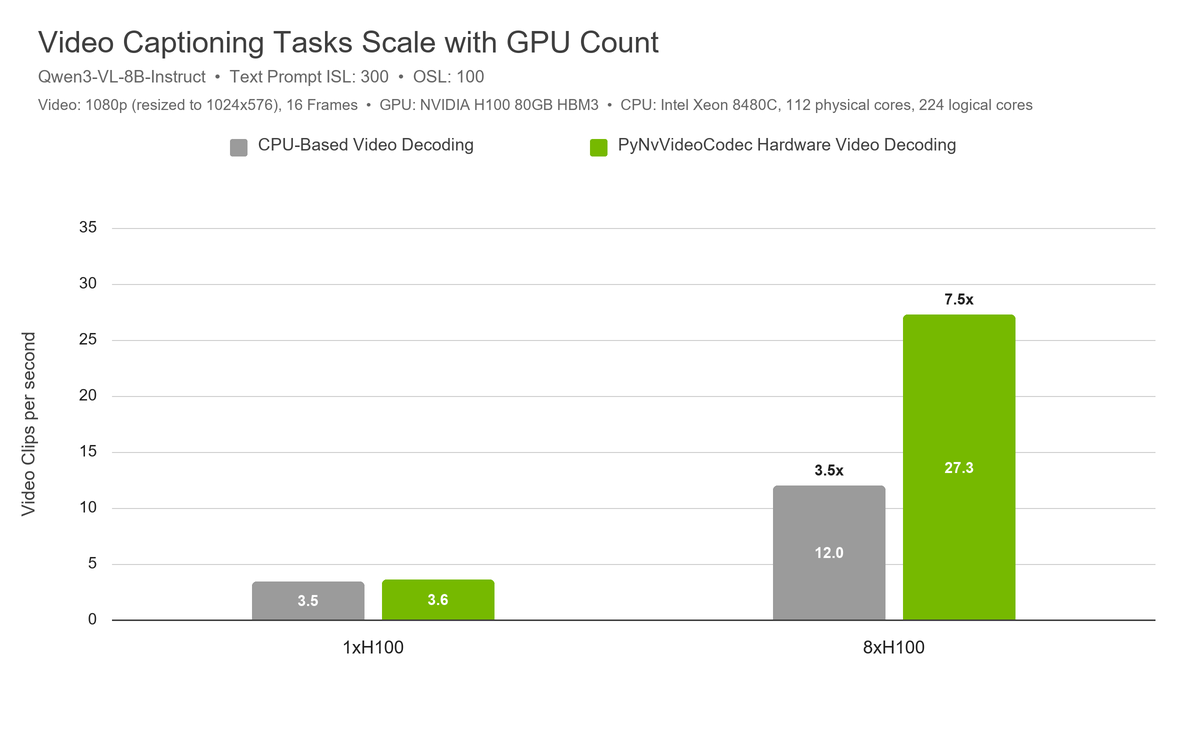
Scaling Multi-GPU Video Captioning with PyNvVideoCodec and vLLM
·4 min read
How to leverage NVIDIA Hardware Video Decoders to Achieve Multi-GPU Scaling in Video Captioning and Description tasks.
19 posts
How to leverage NVIDIA Hardware Video Decoders to Achieve Multi-GPU Scaling in Video Captioning and Description tasks.
How vLLM-Omni optimizes and scales the complete MiniMax H3 stack, then integrates FastVideo’s four-step FastH3 for generation faster than playback.
A release focused on higher-throughput diffusion rollout, reusable omni adapters, and broader recipe coverage.
vLLM delivers day-0 Kimi K3 serving with hybrid KDA prefix caching, DSpark speculative decoding, production-scale disaggregation, and optimized kernels across NVIDIA and AMD GPUs.
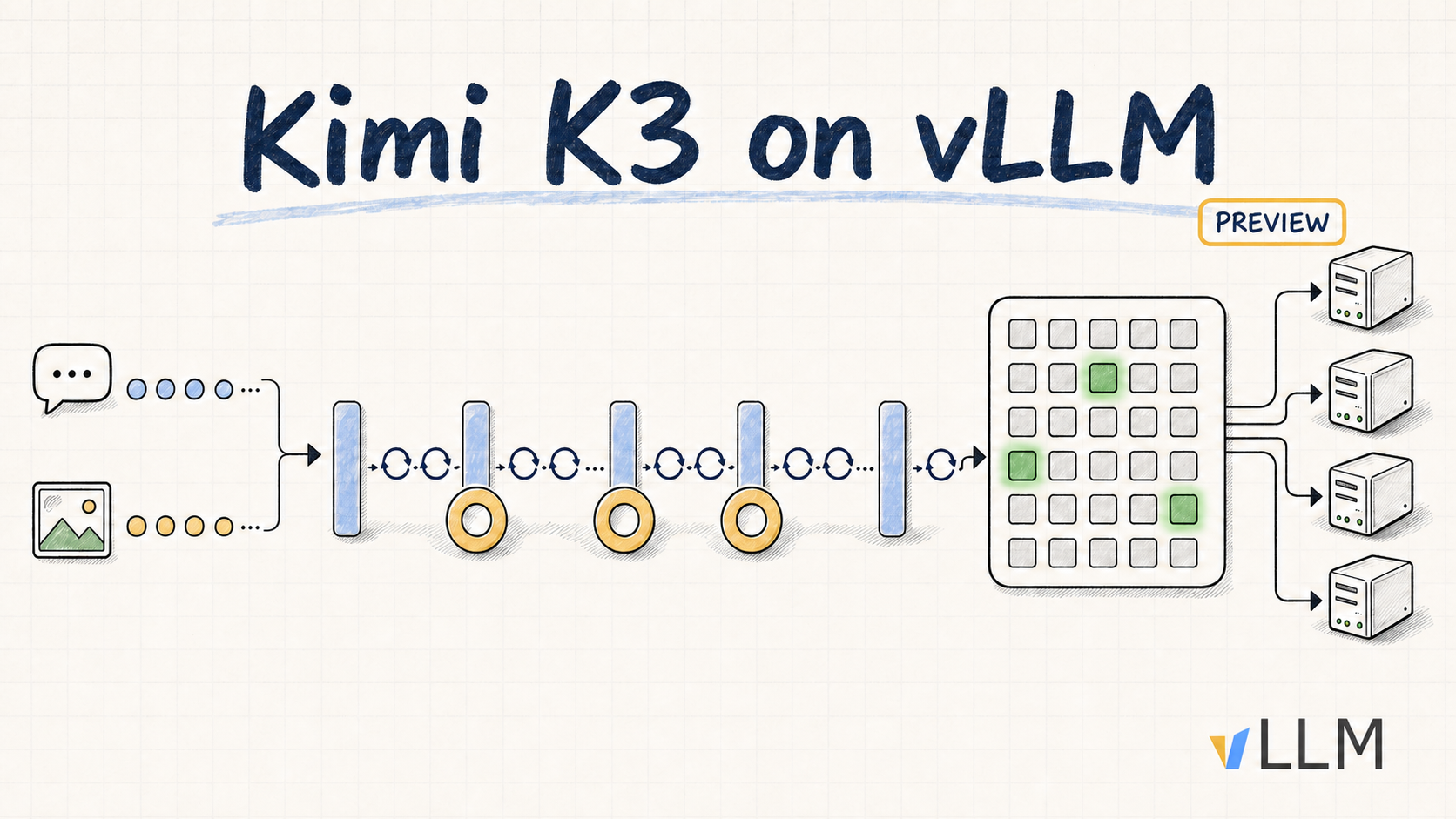
A preview of production-scale Kimi K3 support in vLLM, including KDA-aware prefix caching, fused kernels, optimized MXFP4 MoE, multimodal integration, and initial NVIDIA and AMD paths.
vLLM brings day-0 support to TML Inkling, a 1T-parameter multimodal model, with MTP, long-context serving, parallelism, and up to 380 tokens per second per user on NVIDIA GB200 GPUs.
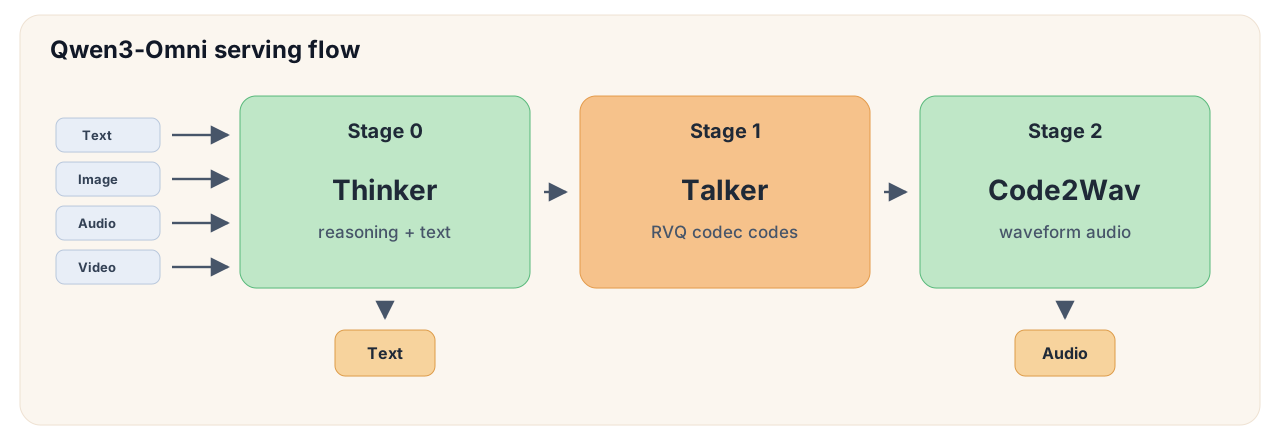
How vLLM-Omni serves and optimizes Qwen3-Omni with staged Thinker-Talker-Code2Wav execution, batching, CUDA Graphs, async chunk, async output, replicas, hot-path cleanup, and perf validation.
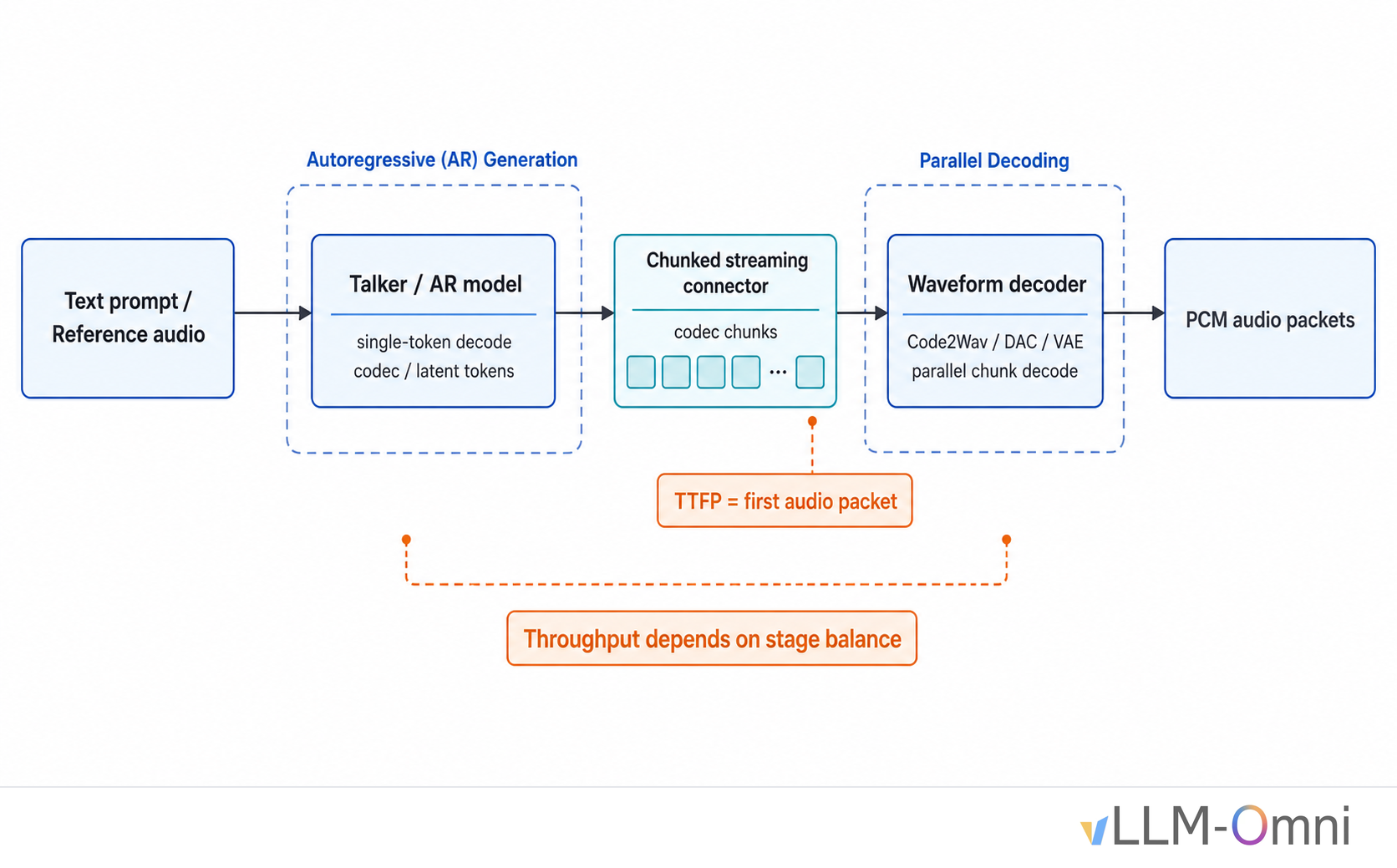
How vLLM-Omni supports and optimizes Qwen3-TTS, VoxCPM2, Higgs Audio V3, and Fish Speech S2 Pro with staged serving, batching, CUDA Graphs, and model-specific kernels.
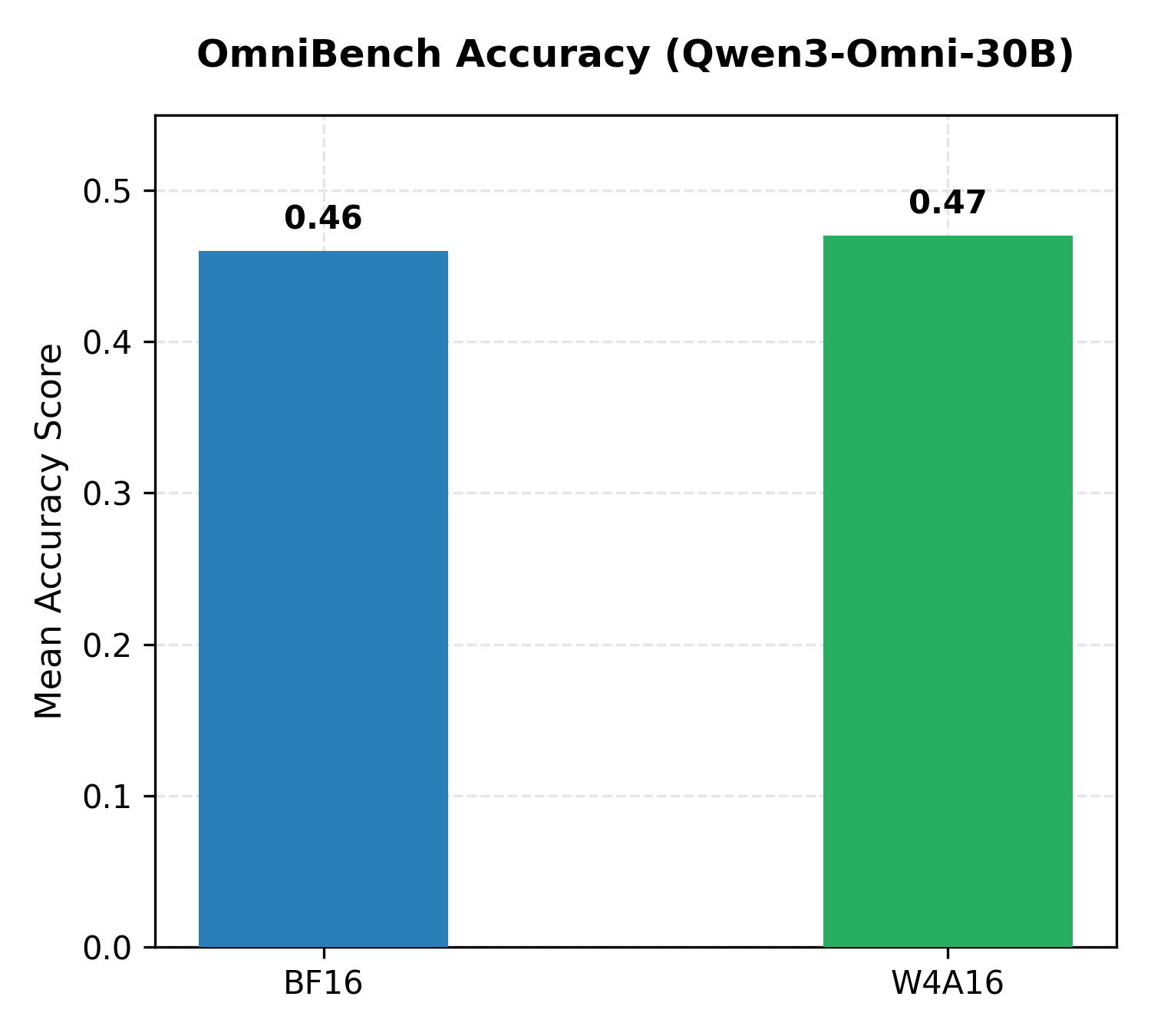
How AutoRound integrates with vLLM-Omni to serve W4A16 quantized multimodal, diffusion, image, and video models with smaller checkpoints, preserved quality, Intel XPU acceleration, and NVIDIA GPU support.
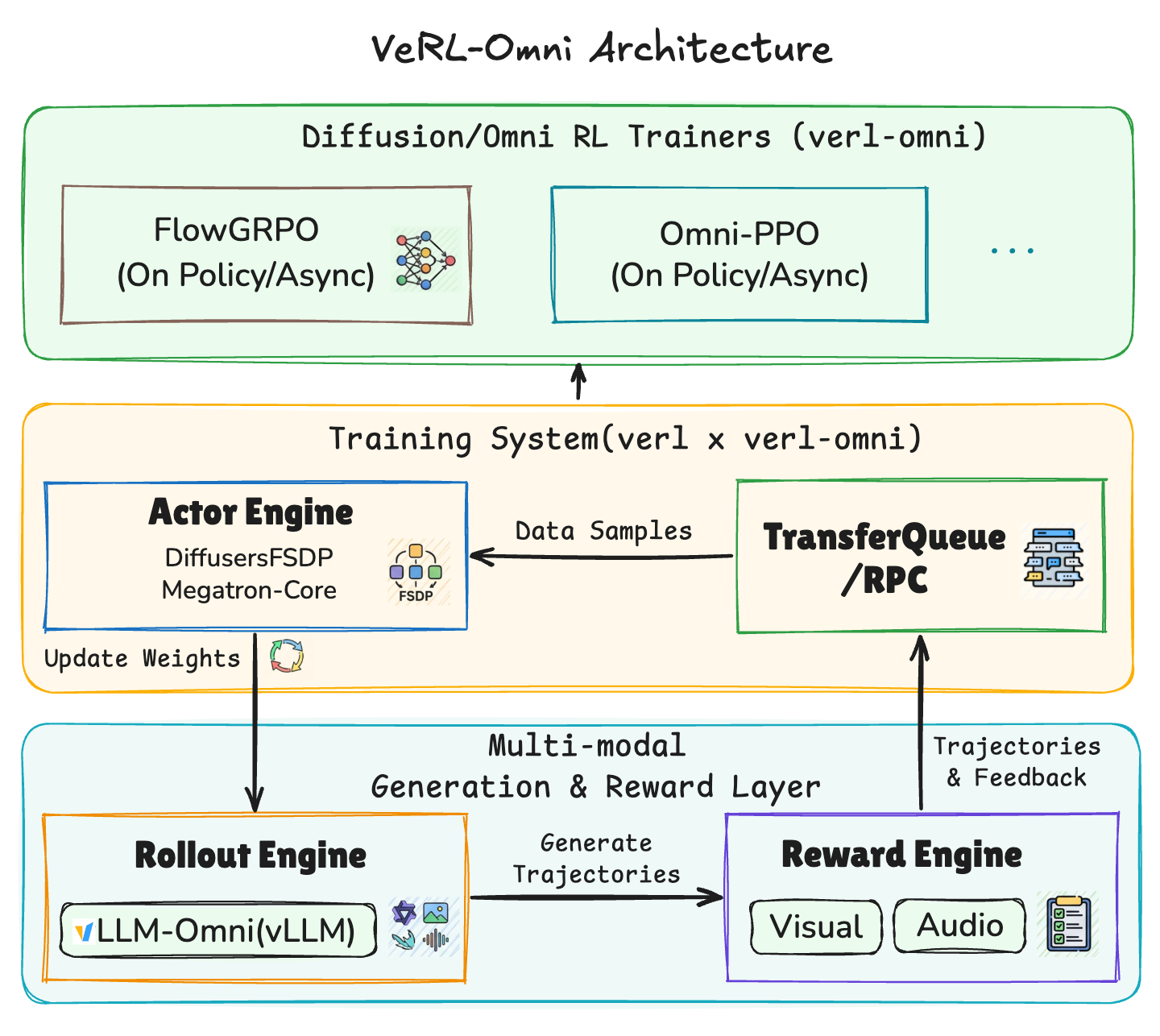
How VeRL-Omni extends verl with vLLM-Omni for reinforcement learning post-training of diffusion and multimodal generative models, including efficient rollouts, reward inference, trainers, hardware support, and recipes.
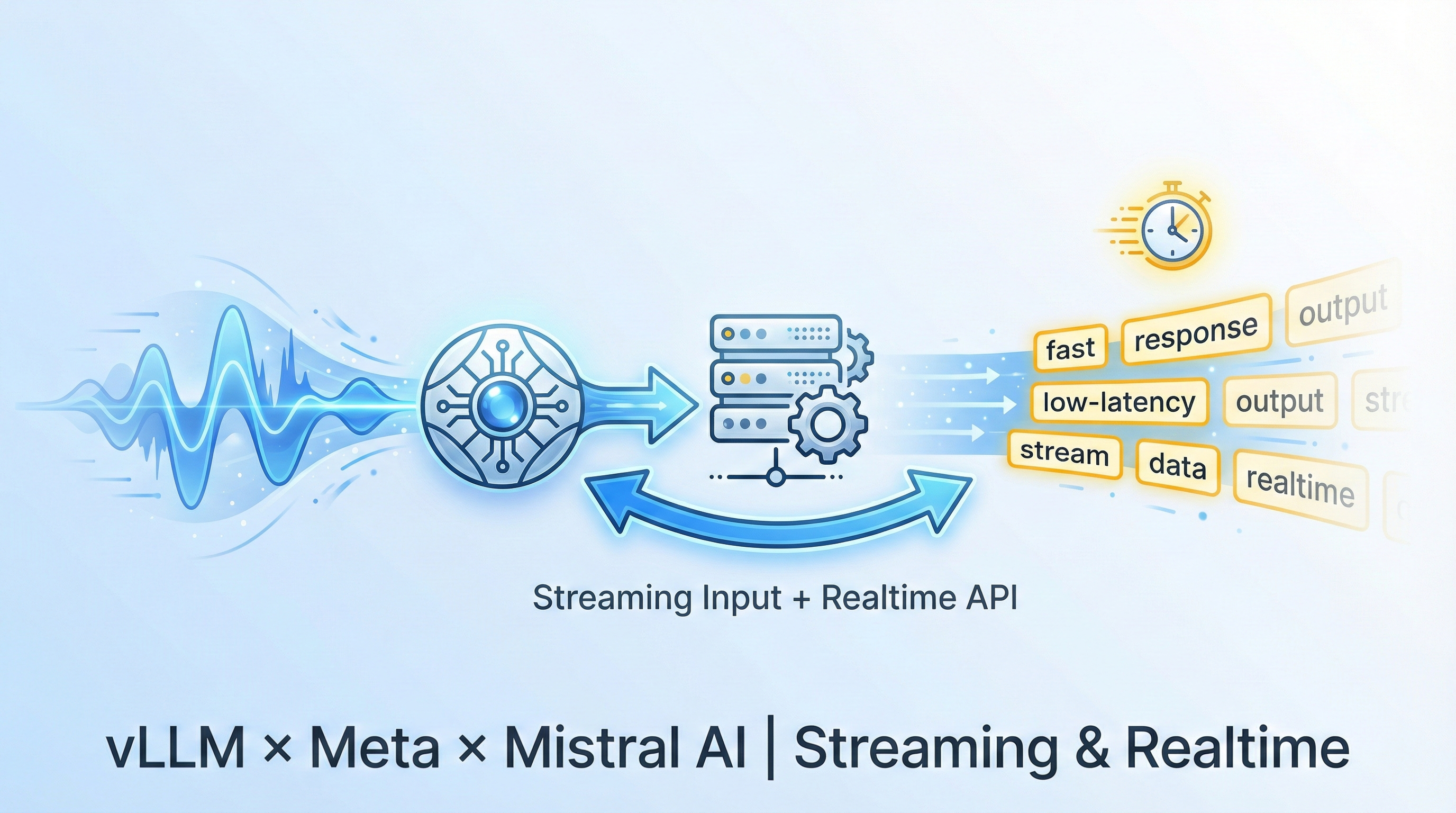
How vLLM supports streamable inputs and a Realtime WebSocket API for audio, video, robotics, and low-latency applications that need incremental input processing instead of complete prompts.
How vLLM-Omni speeds up diffusion model inference with Cache-DiT and TeaCache, reusing intermediate computations across timesteps to deliver 1.5x to 2x image generation speedups with minimal quality loss.
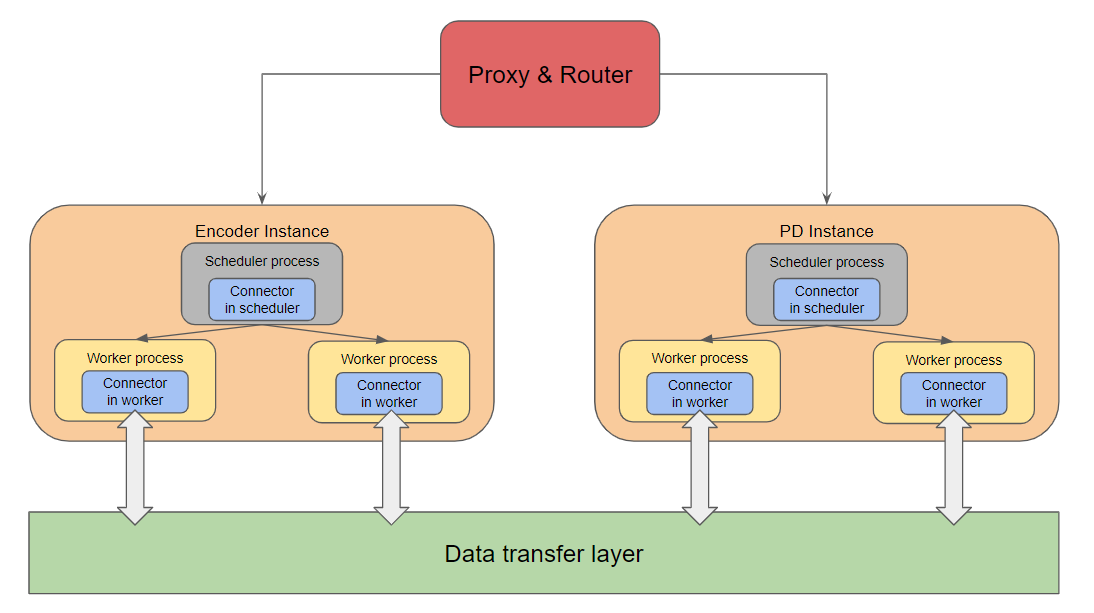
How vLLM EPD separates visual encoders from text prefill and decode, covering LMM serving, GPU resource scaling, multimodal interference, and pipelined execution.

What vLLM-Omni adds to the vLLM ecosystem: omni-modality serving for text, image, video, and audio, diffusion and non-autoregressive generation support, disaggregated stages, OpenAI-compatible APIs, and pipelined execution.
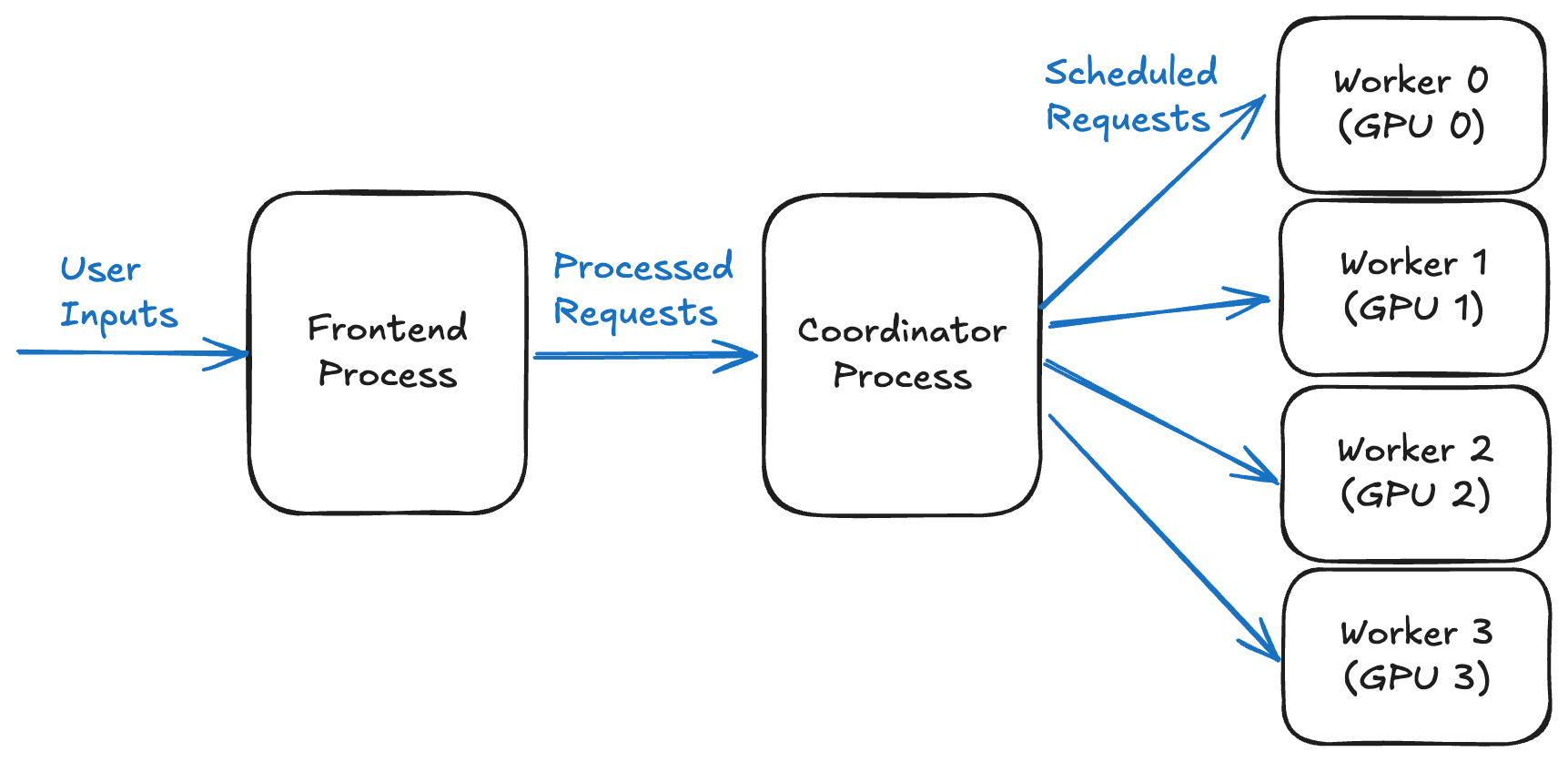
How shared memory IPC caching in vLLM reduces redundant data transfers for multimodal and multi-process inference, improving prefill throughput and TTFT by sharing large inputs across coordinator and worker processes.
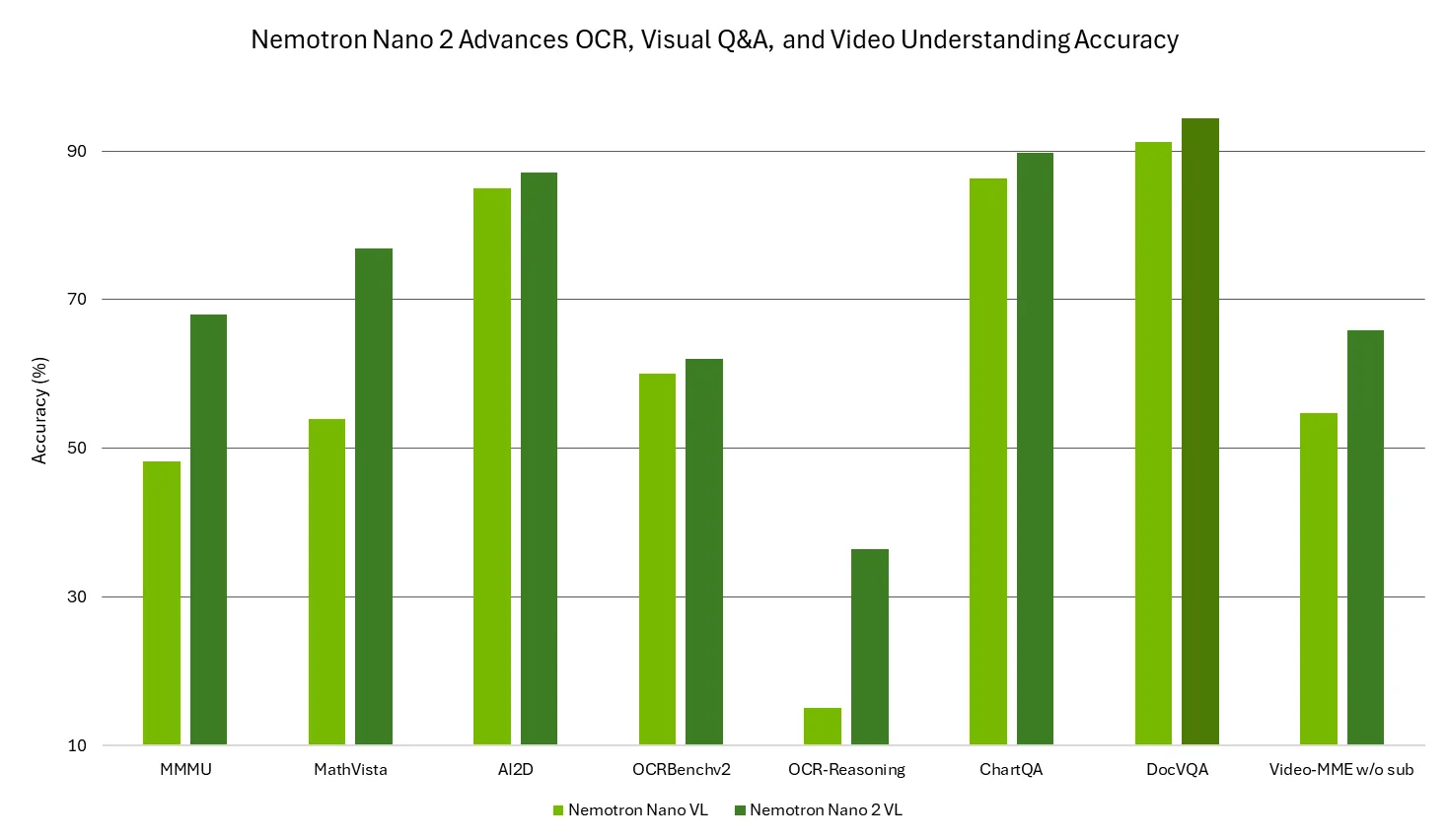
How to serve NVIDIA Nemotron Nano 2 VL with vLLM for multimodal reasoning agents, including video understanding, document intelligence, Efficient Video Sampling, 128K context, and OpenAI-compatible deployment.
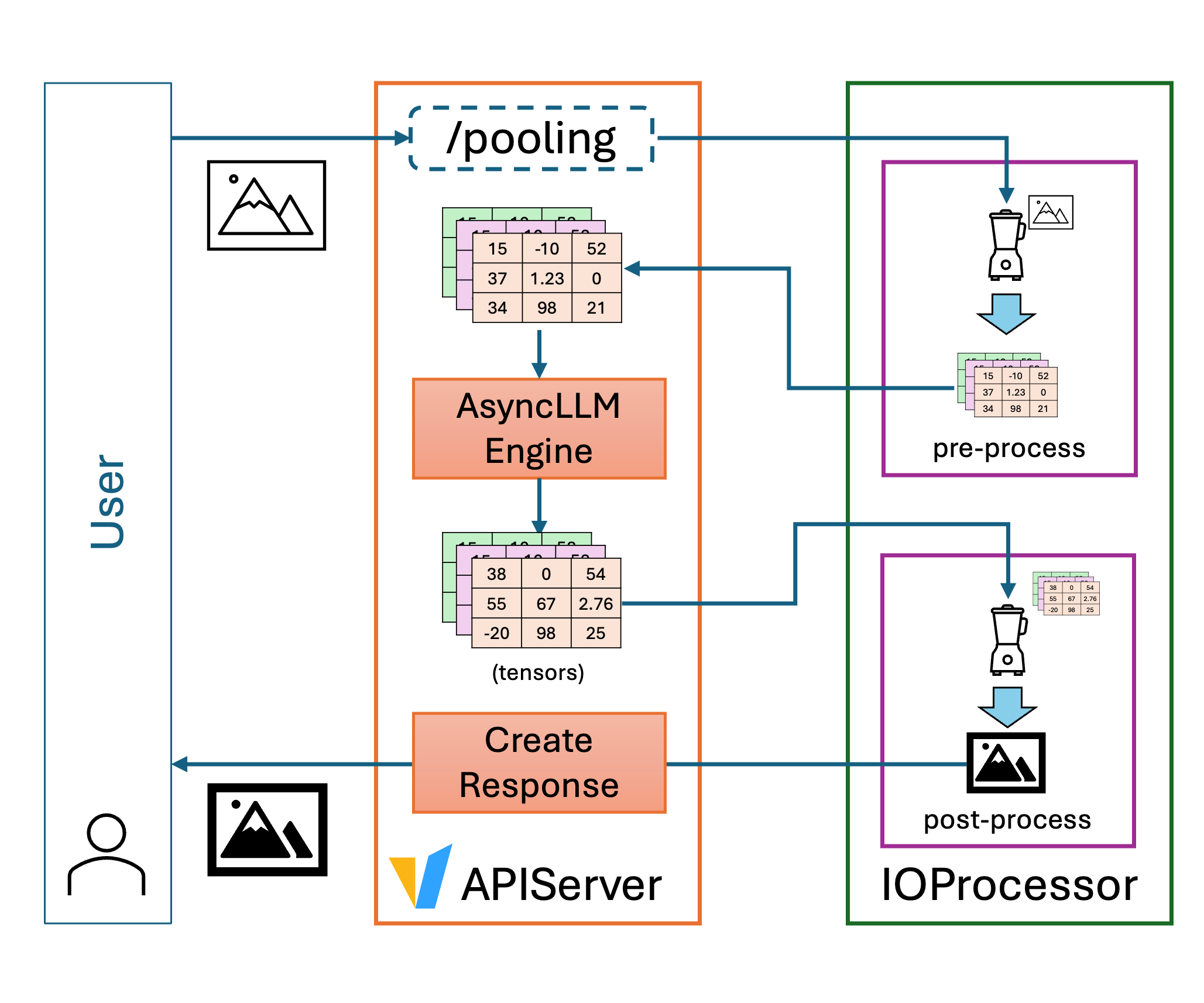
How vLLM expands beyond text generation to serve geospatial, vision, and other non-autoregressive models with pooling-model support, TerraTorch integration, raw tensor handling, and flexible IO processors.
How to run GLM-4.5 and GLM-4.5V with vLLM for intelligent agents, including hybrid reasoning modes, FP8 and BF16 serving, multimodal support, and NVIDIA Blackwell and Hopper deployment.
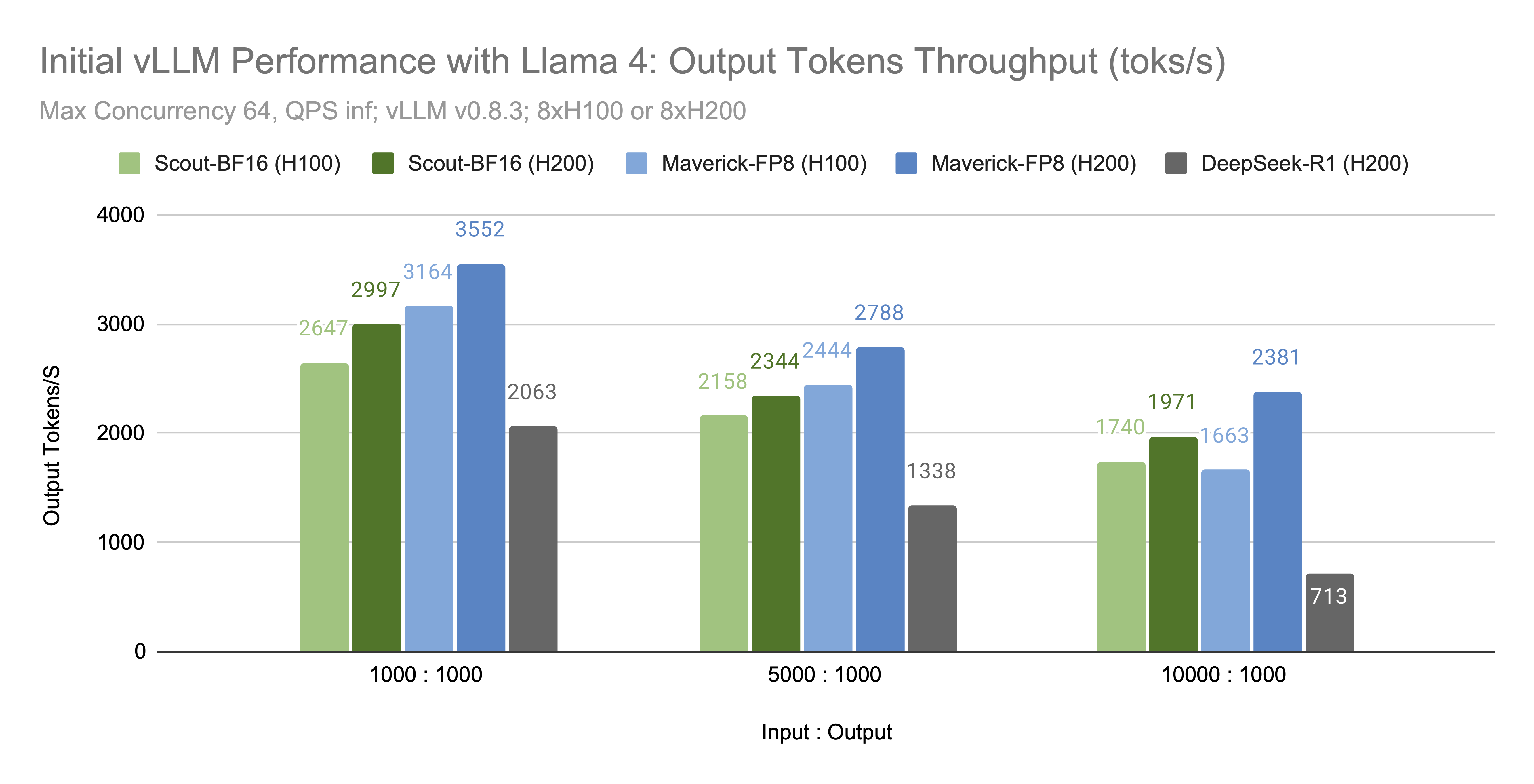
How vLLM serves Meta Llama 4 Scout and Maverick multimodal MoE models with long-context support, tensor parallel deployment, H100 and H200 guidance, FP8 variants, and performance tips.