

Elastic Expert Parallelism in vLLM
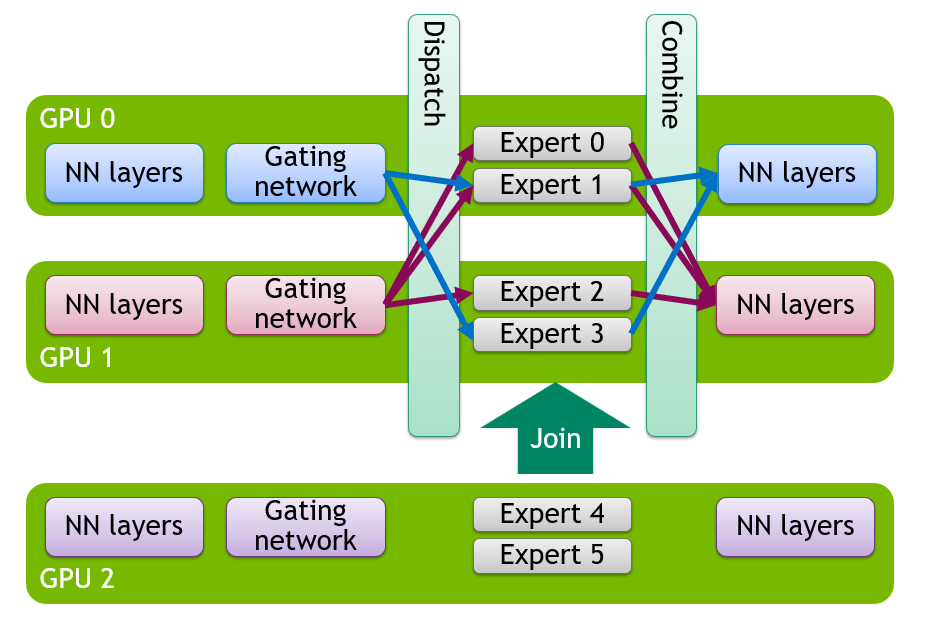
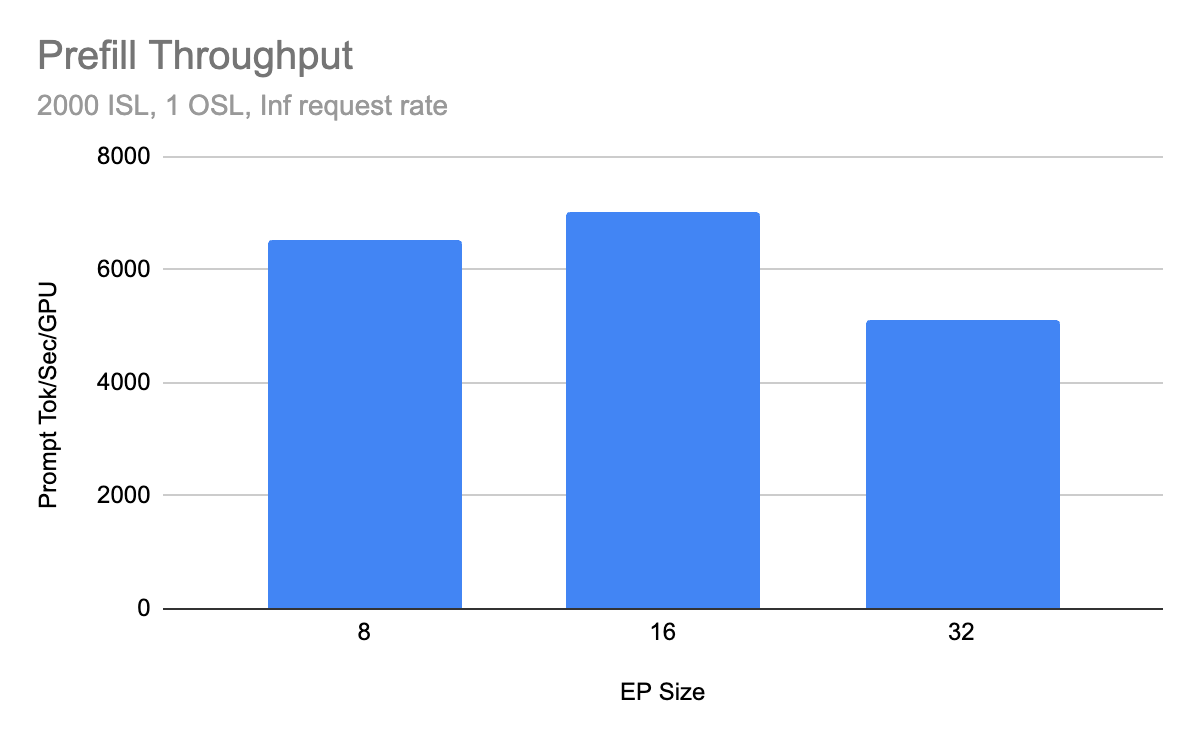
Expert parallelism (EP) is a key technique for serving Mixture-of-Experts (MoE) models at high throughput. WideEP deployments (where EP spans many workers) maximize KV cache capacity, enabling...
12 posts

Expert parallelism (EP) is a key technique for serving Mixture-of-Experts (MoE) models at high throughput. WideEP deployments (where EP spans many workers) maximize KV cache capacity, enabling...
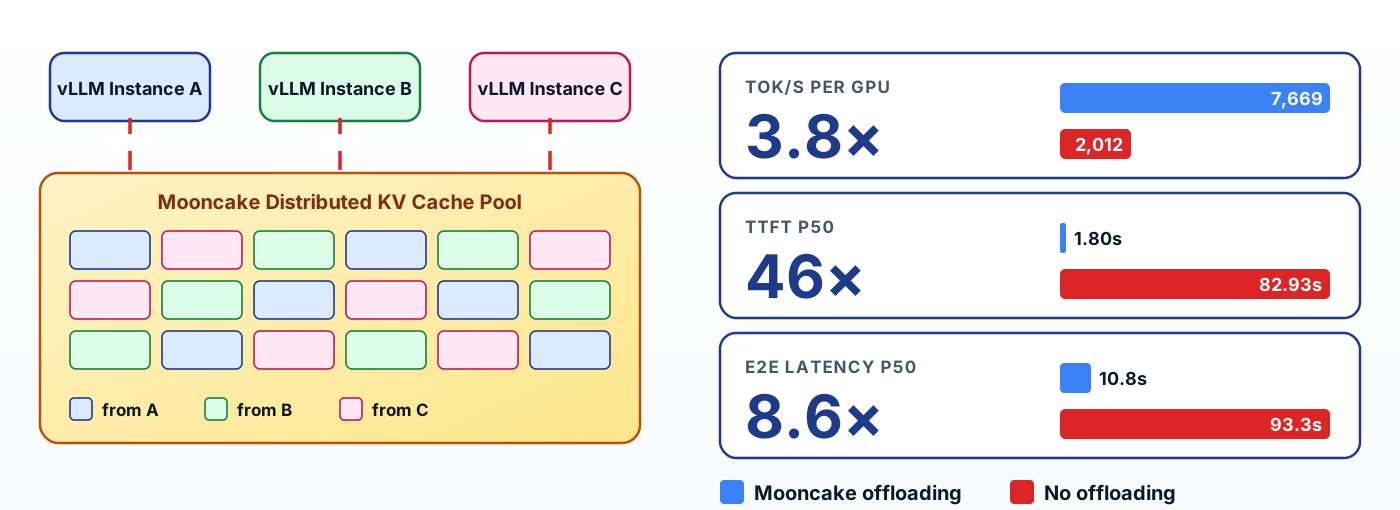
TL;DR: Agentic workloads generate massive shared prefixes that are often recomputed across turns. By integrating Mooncake's distributed KV cache store into vLLM, we achieve 3.8x higher throughput,...

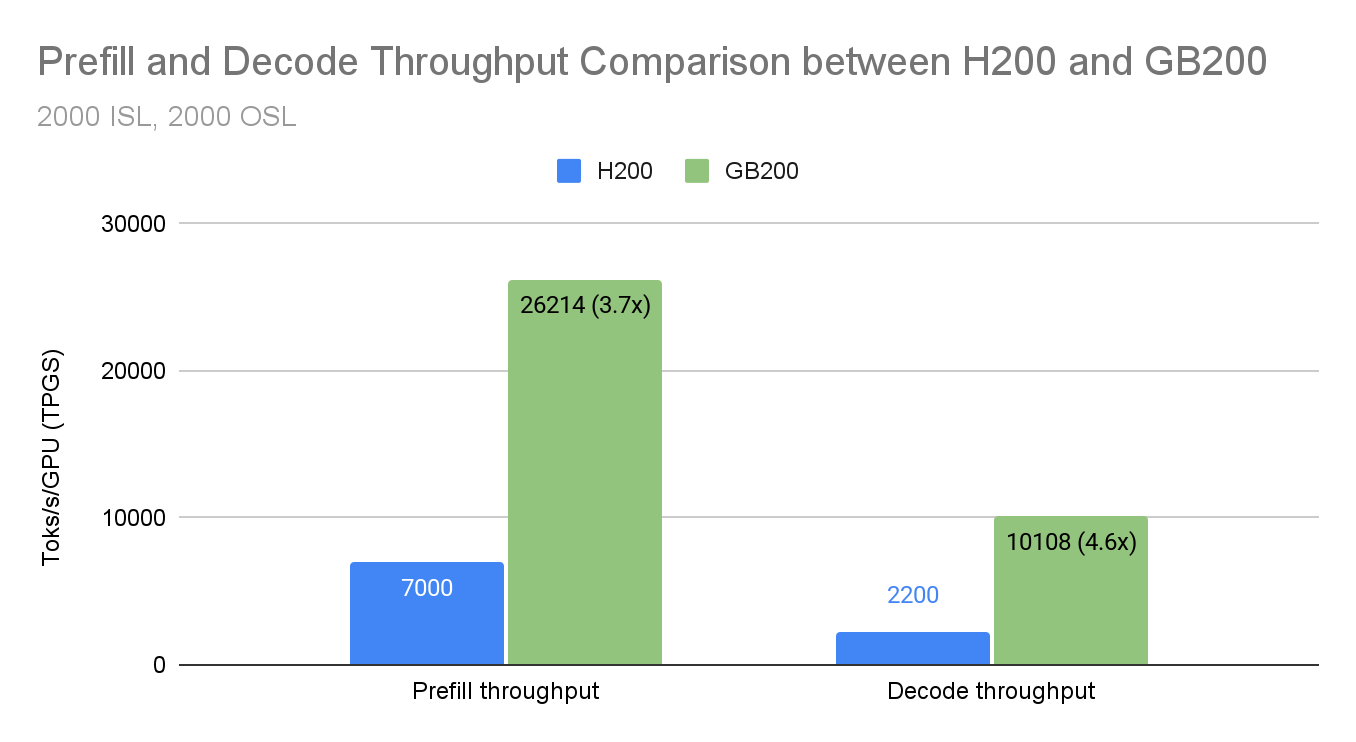
Building on our previous work achieving 2.2k tok/s/H200 decode throughput with wide-EP, the vLLM team has continued performance optimization efforts targeting NVIDIA's GB200 platform. This blog...

In v0.11.0, the last code from vLLM V0 engine was removed, marking the complete migration to the improved V1 engine architecture. This achievement would not have been possible without vLLM’s...

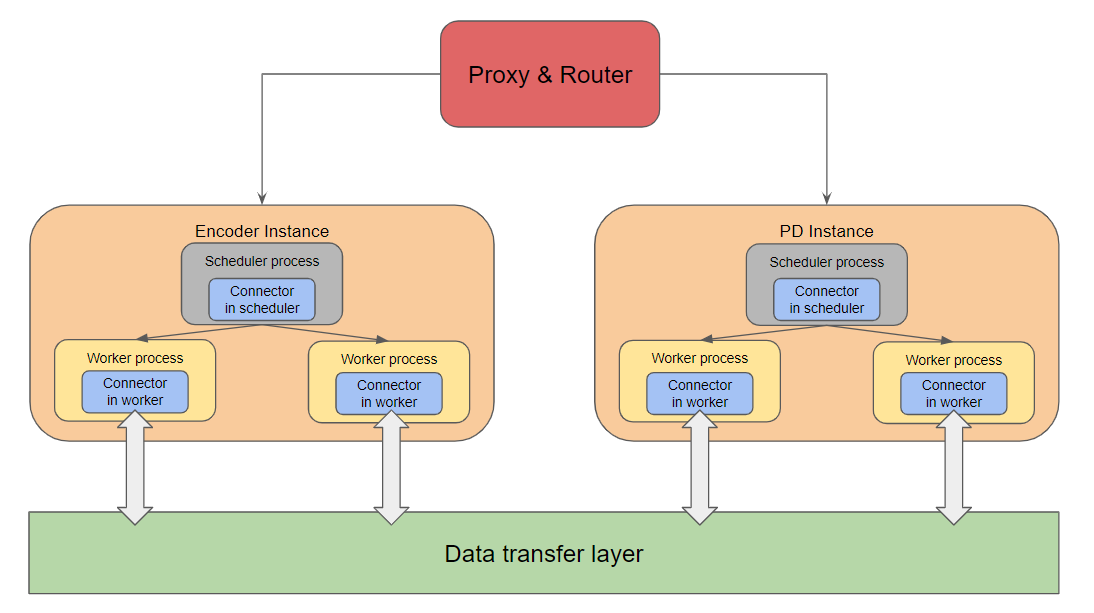
Modern Large Multimodal Models (LMMs) introduce a unique serving-time bottleneck: before any text generation can begin, all images must be processed by a visual encoder (e.g., ViT). This encoder...

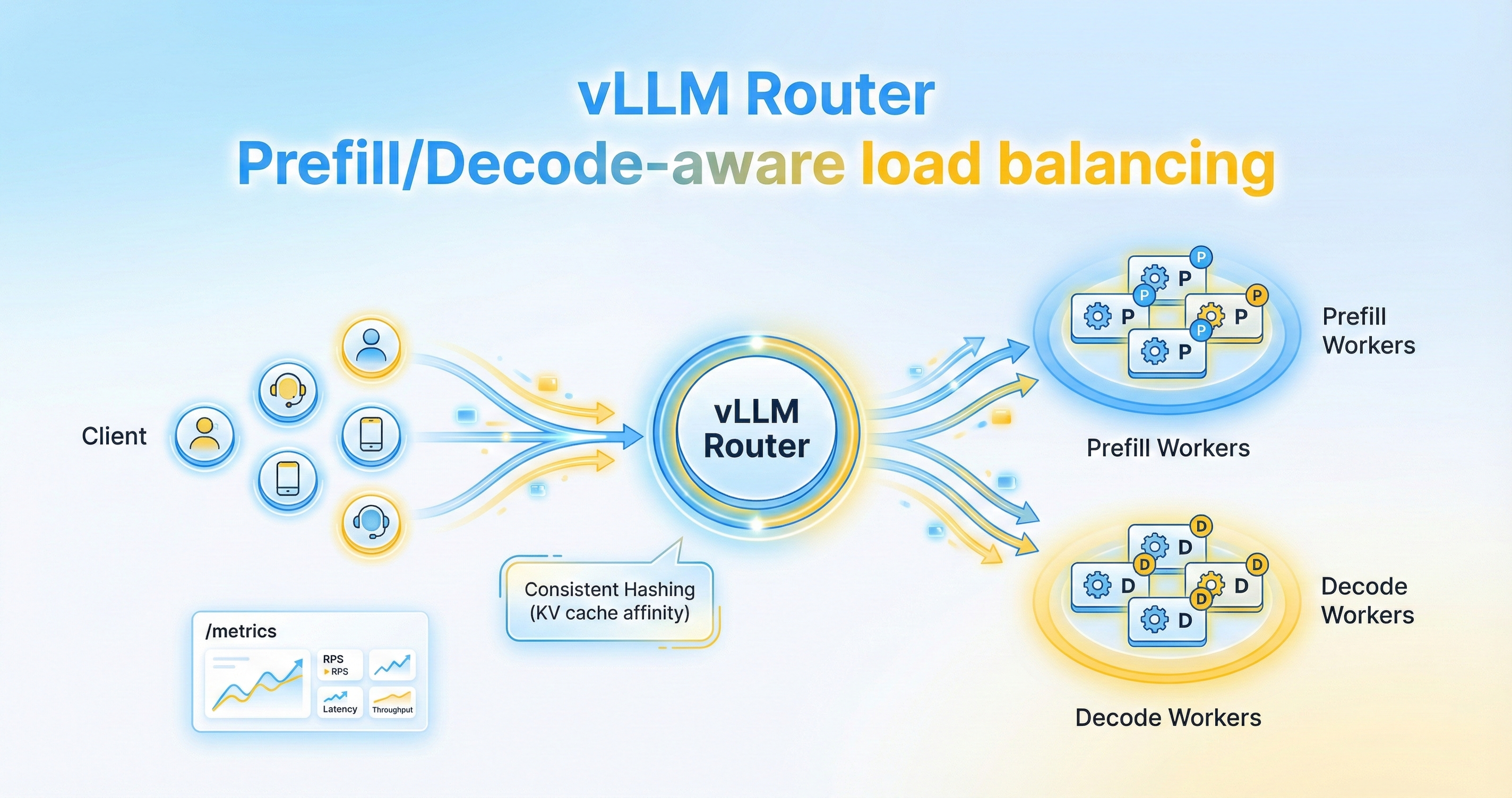
Efficiently managing request distribution across a fleet of model replicas is a critical requirement for large-scale, production vLLM deployments. Standard load balancers often fall short as they...

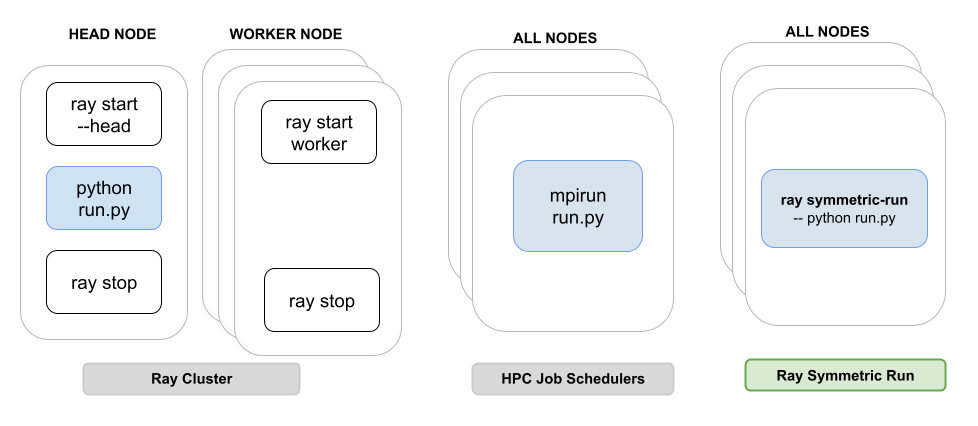
Ray now has a new command: ray symmetric-run. This command makes it possible to launch the same entrypoint command on every node in a Ray cluster, simplifying the workflow to spawn vLLM servers...

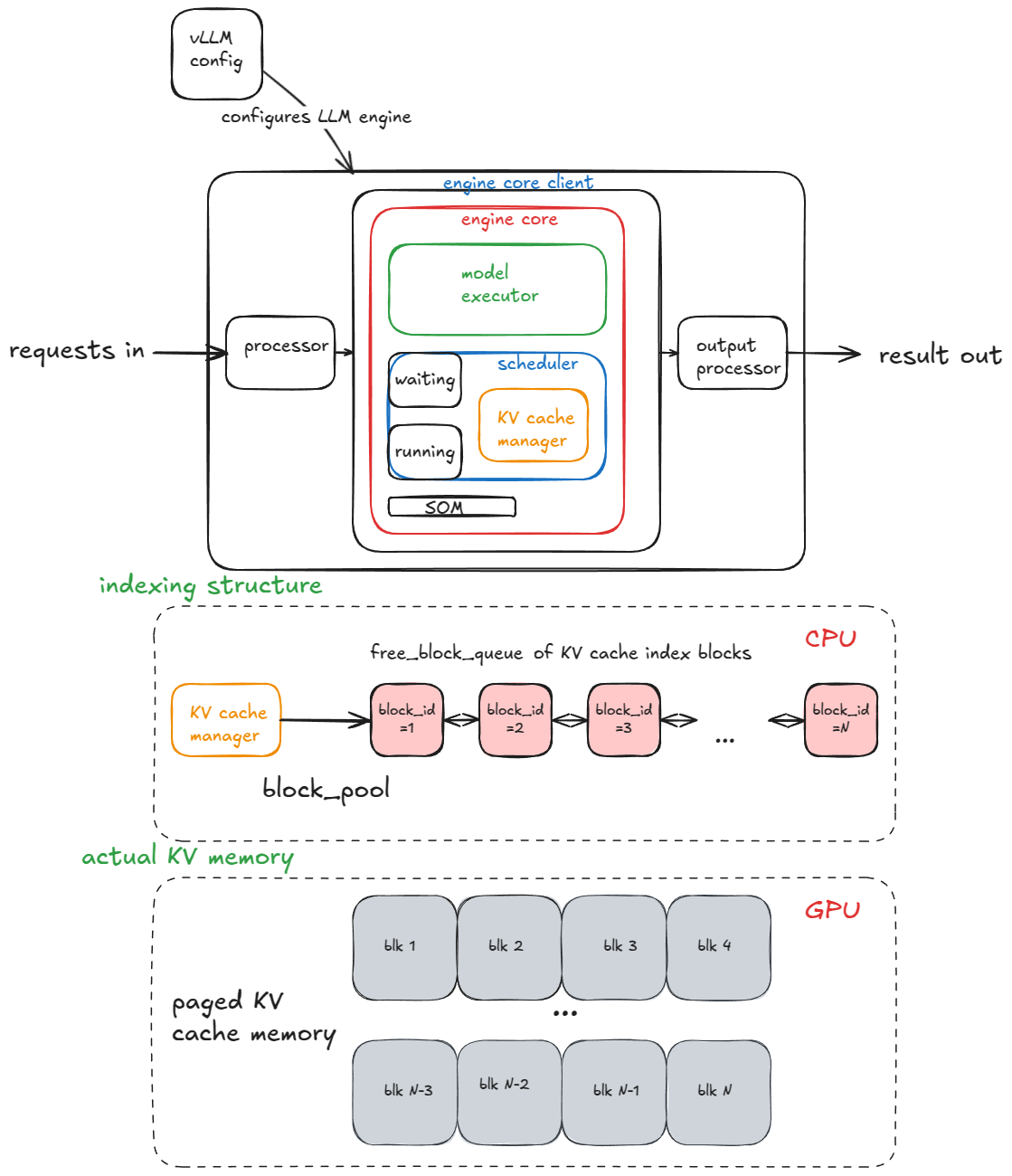
In this post, I'll gradually introduce all of the core system components and advanced features that make up a modern high-throughput LLM inference system. In particular I'll be doing a breakdown...

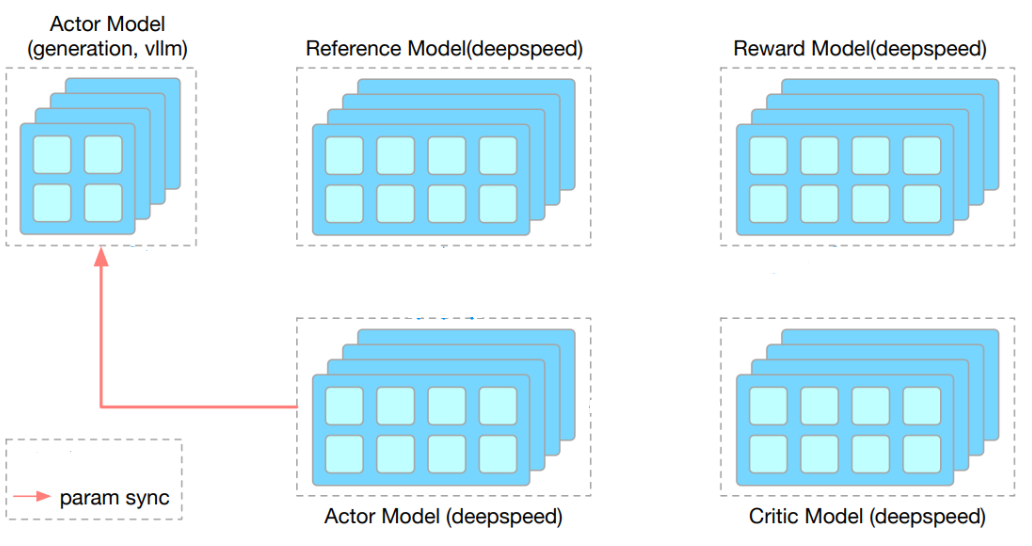
As demand grows for training reasoning-capable large language models (LLMs), Reinforcement Learning from Human Feedback (RLHF) has emerged as a cornerstone technique. However, conventional RLHF...

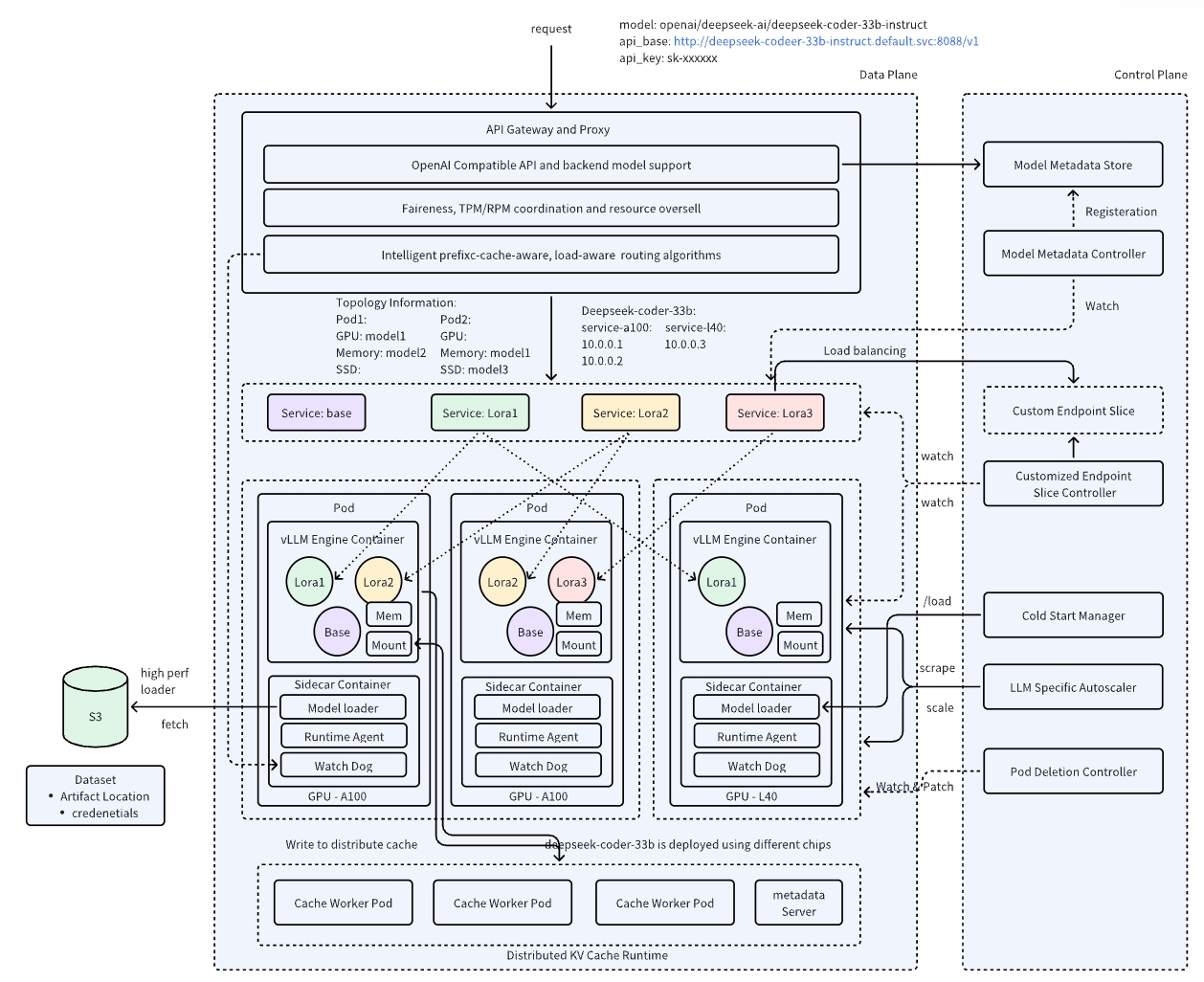
Today, we are excited to announce vllm-project/aibrix: a battery-included vLLM Kubernetes serving stack developed by Bytedance. Started in early 2024, AIBrix has been successfully deployed to...

Serving large models often leads to memory bottlenecks, such as the dreaded CUDA out of memory error. To tackle this, there are two main solutions:
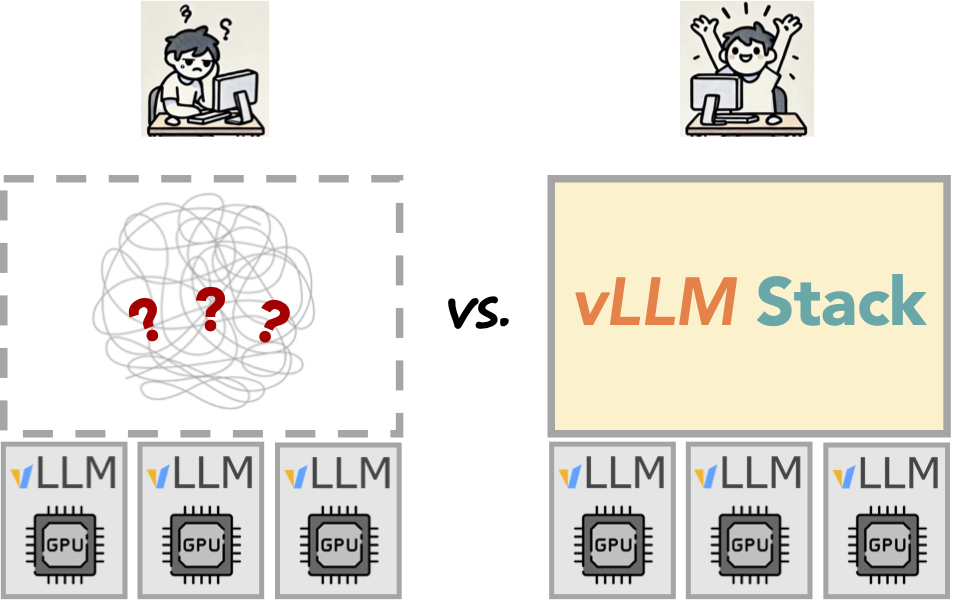
- vLLM boasts the largest open-source community, but what does it take to transform vLLM from the best single-node LLM engine to a premier LLM serving system? - Today, we release “vLLM...