
Model Runner V2: A Modular and Faster Core for vLLM
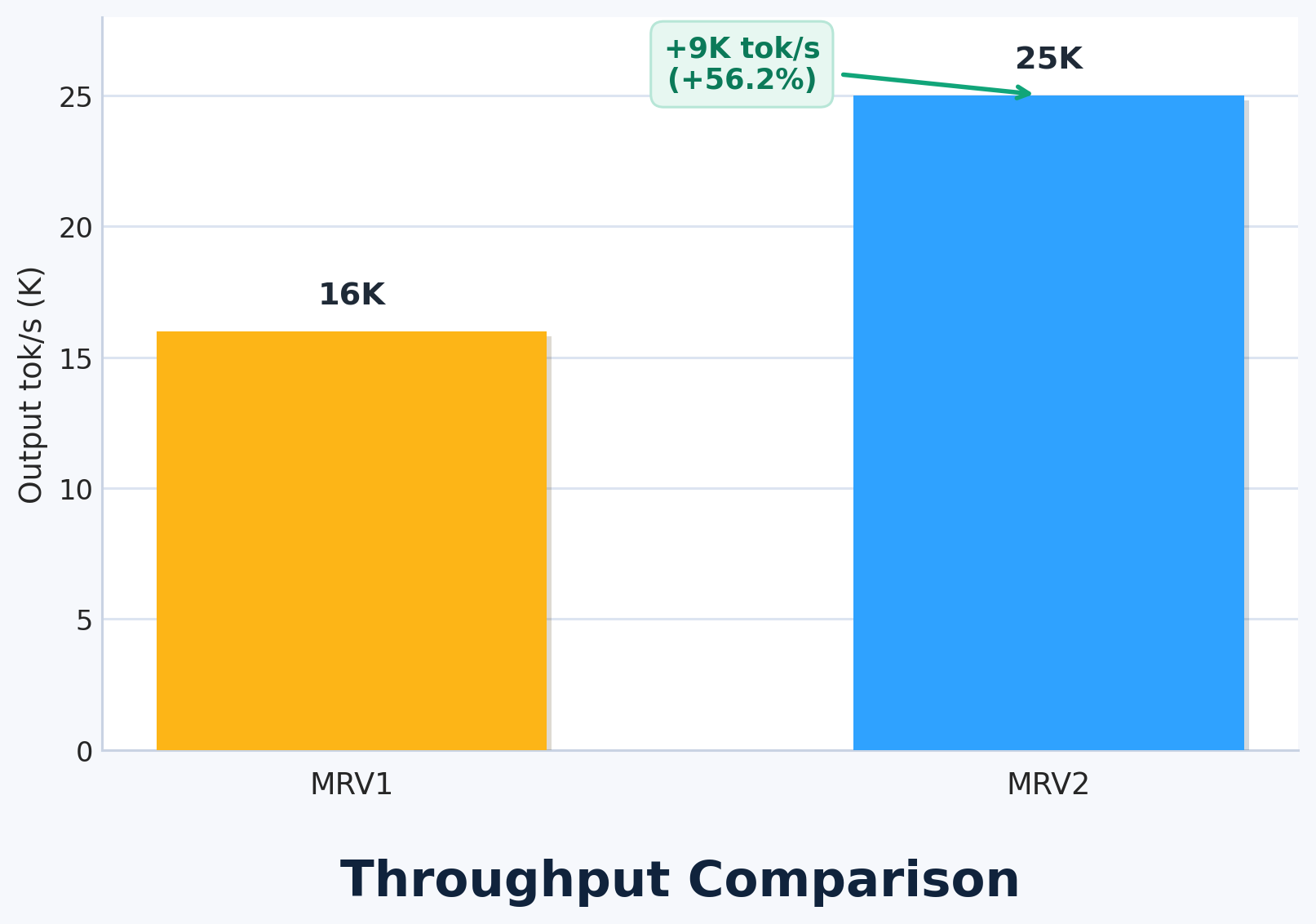
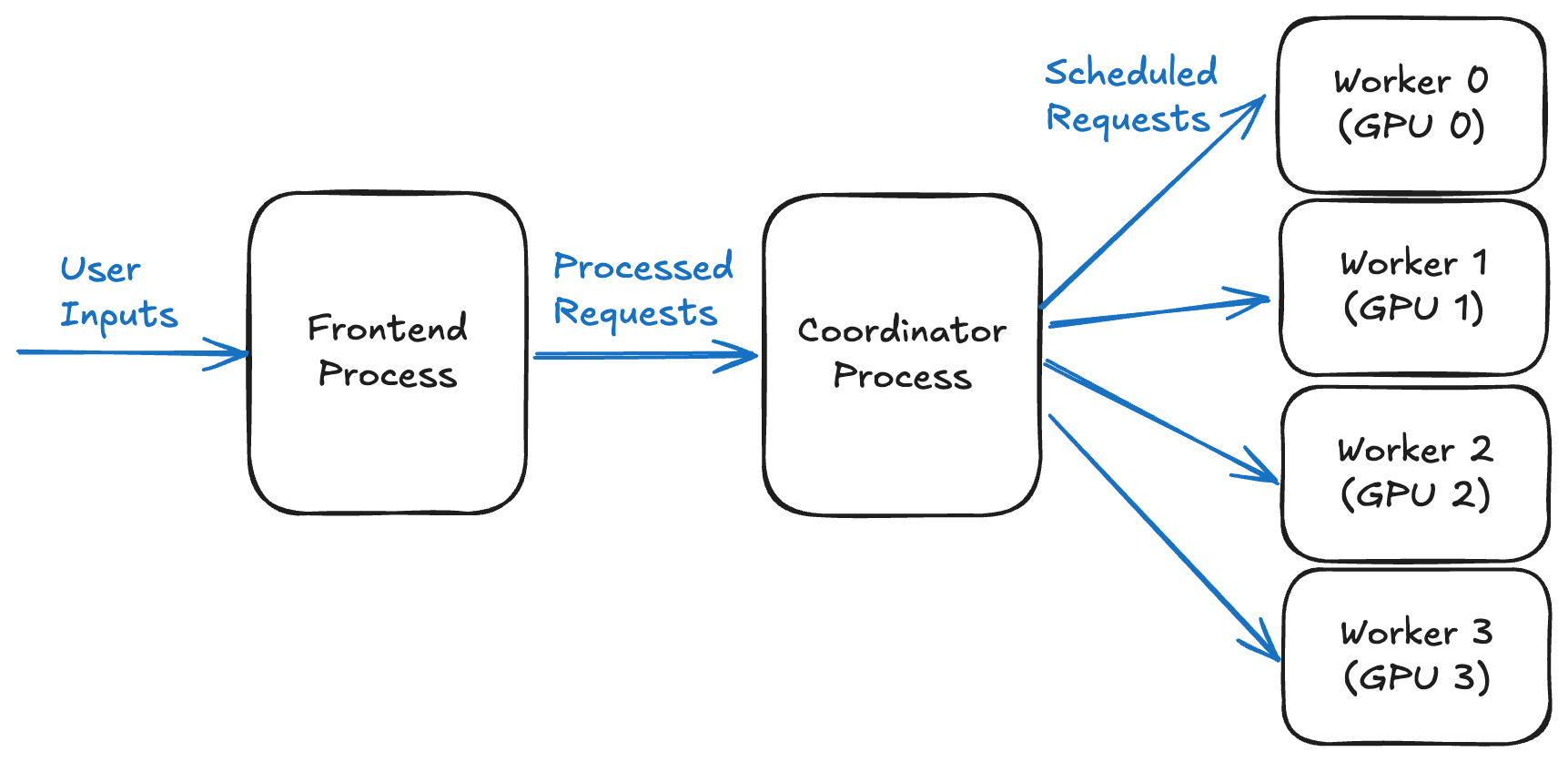
We are excited to announce Model Runner V2 (MRV2), a ground-up re-implementation of the vLLM model runner. MRV2 delivers a cleaner, more modular, and more efficient execution core—with no API...
25 posts

We are excited to announce Model Runner V2 (MRV2), a ground-up re-implementation of the vLLM model runner. MRV2 delivers a cleaner, more modular, and more efficient execution core—with no API...

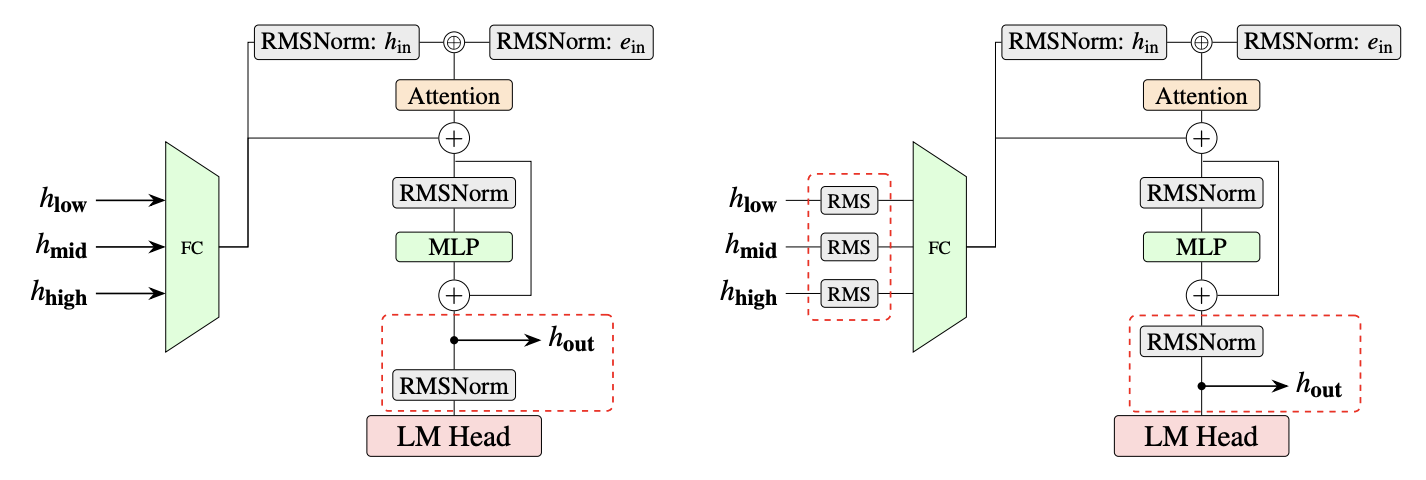
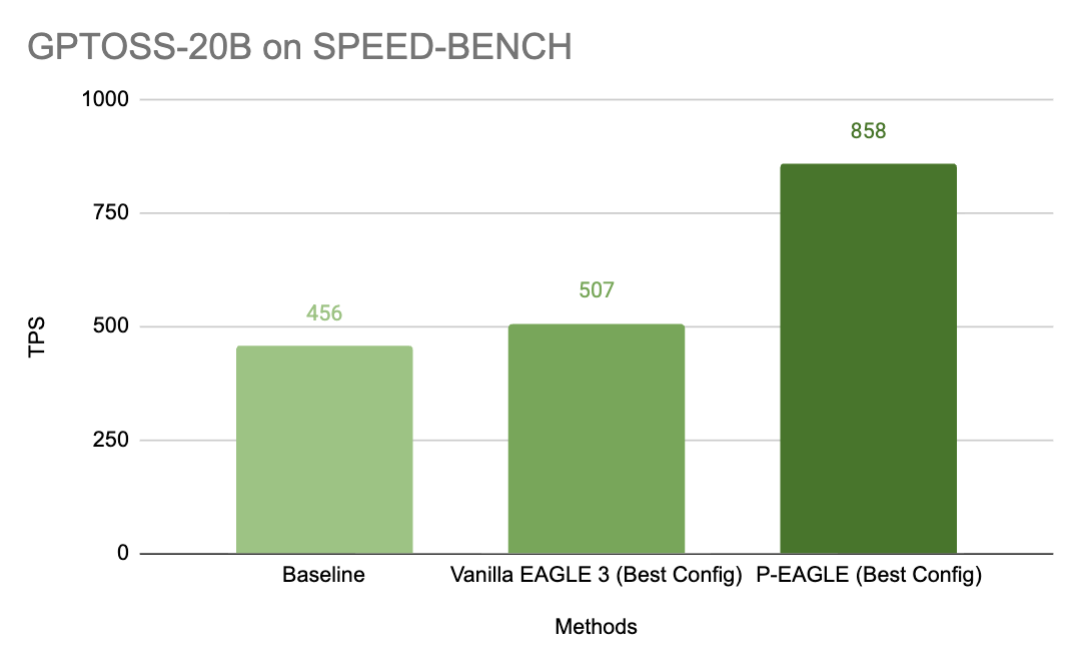
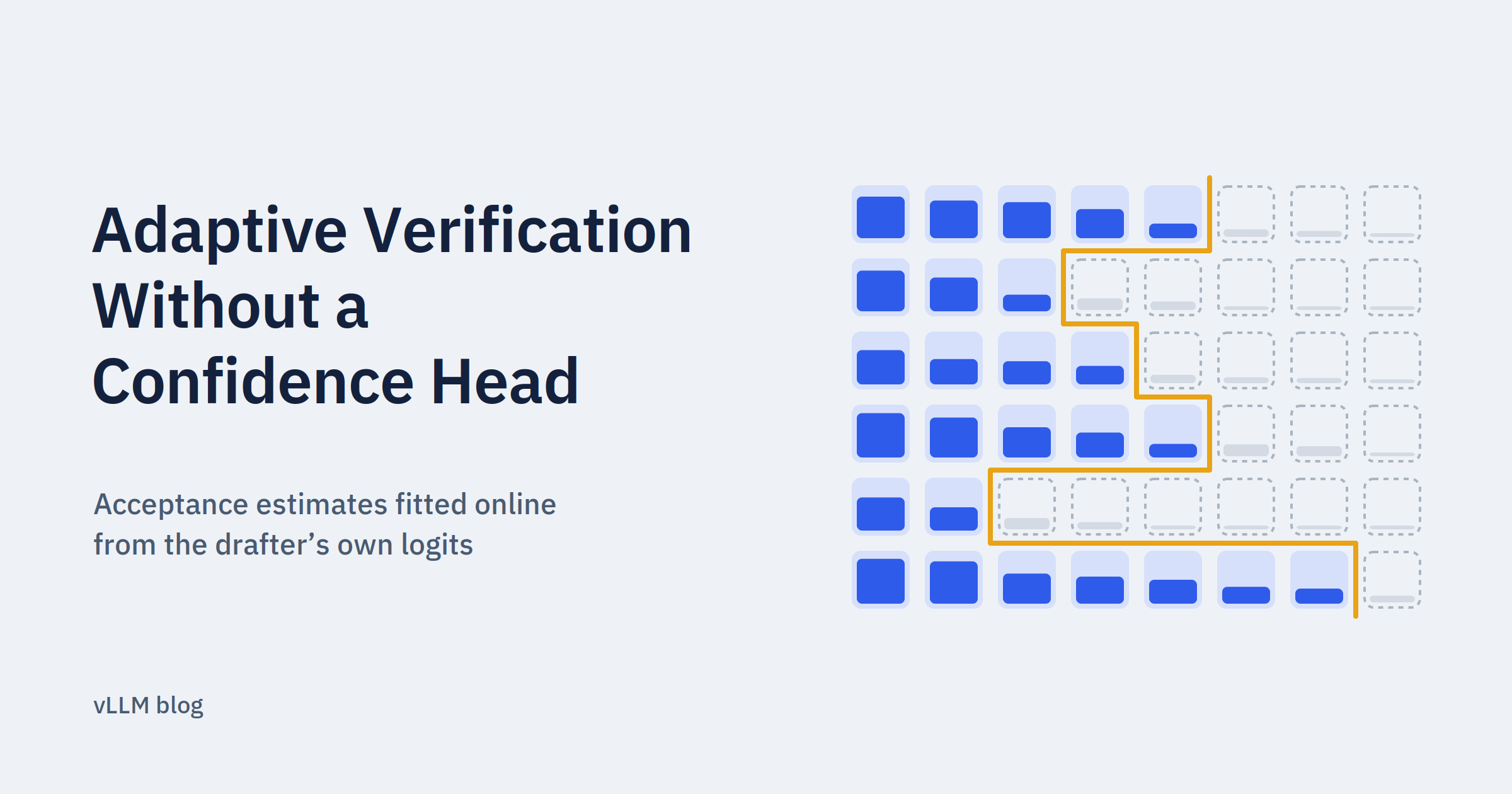
EAGLE is the state-of-the-art method for speculative decoding in large language model (LLM) inference, but its autoregressive drafting creates a hidden bottleneck: the more tokens that you...

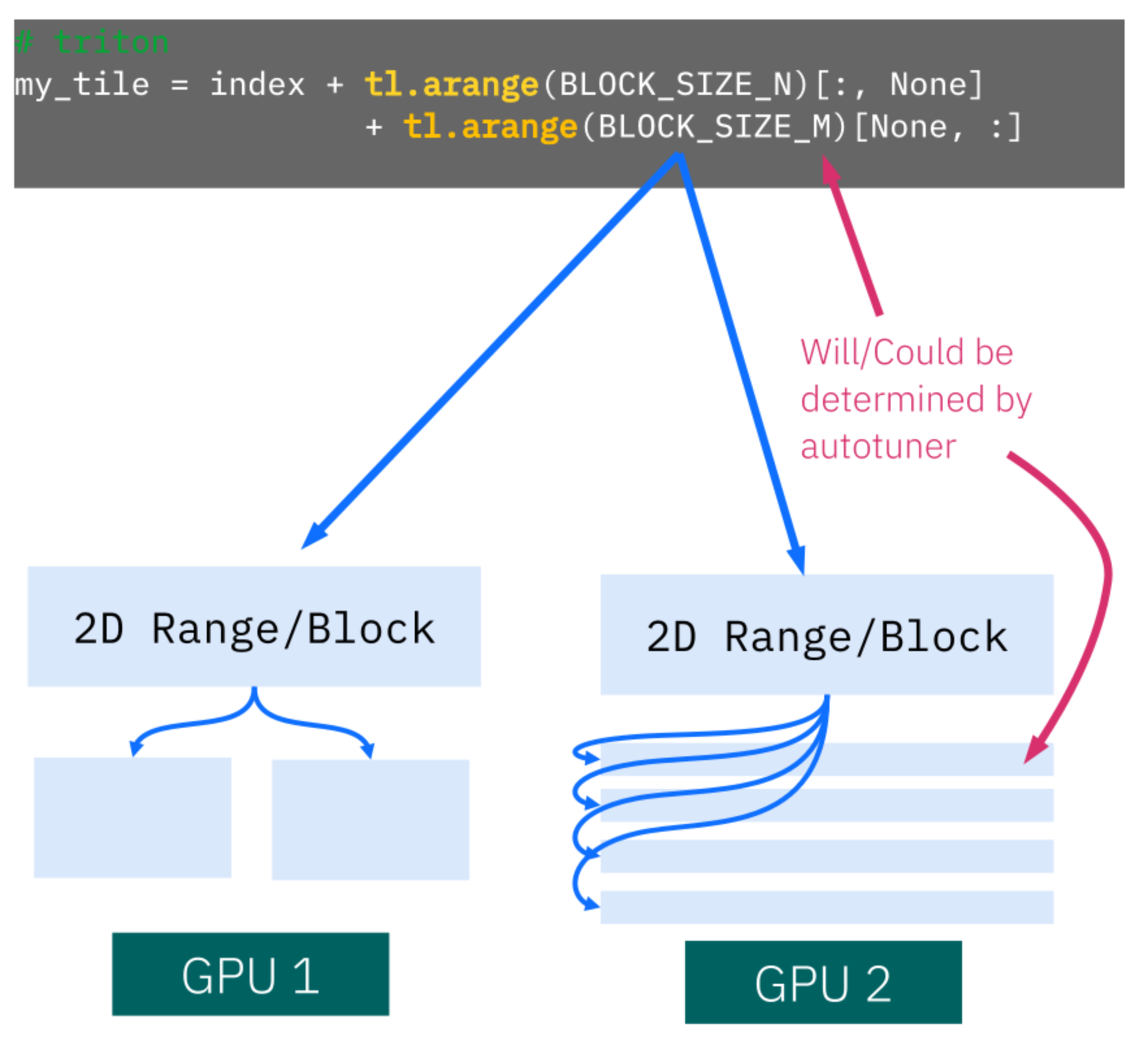
This article is adapted from a Red Hat hosted vLLM Office Hours session with Burkhard Ringlein from IBM Research, featuring a deep technical walkthrough of the vLLM Triton attention backend....

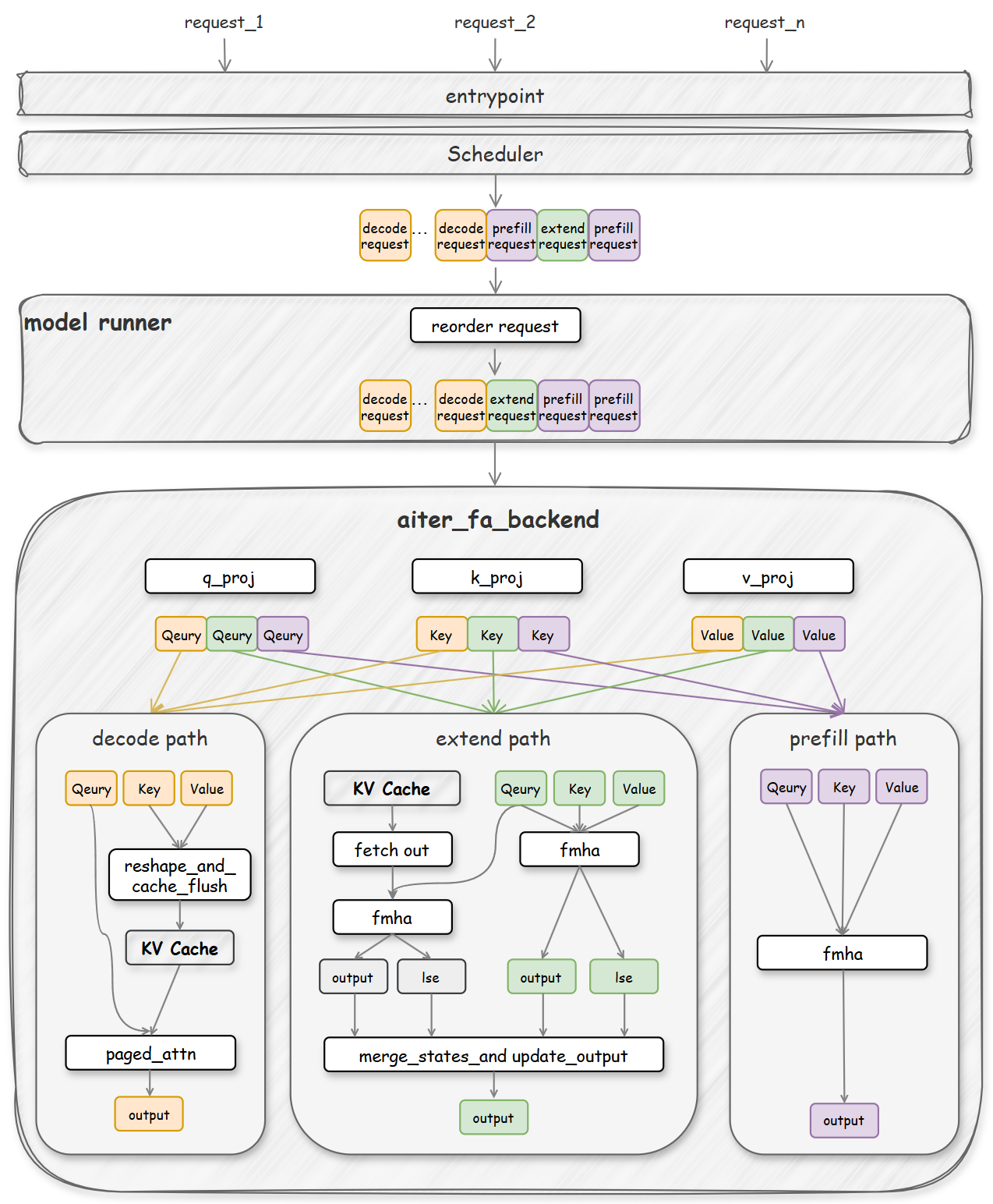
For a long time, enabling AMD support meant "porting"; i.e. just making code run. That era is over.

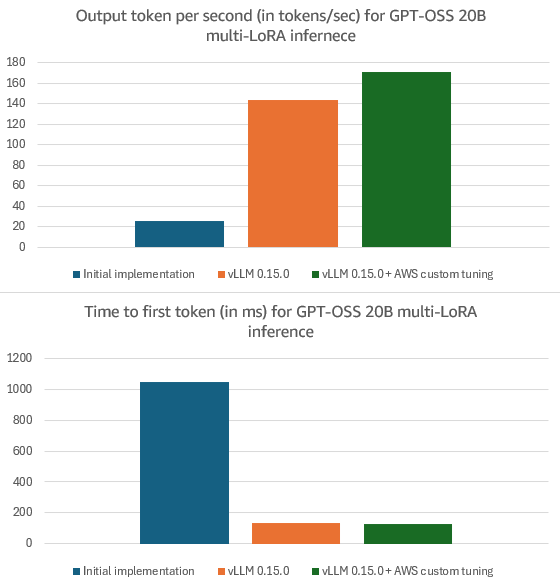
Organizations and individuals running multiple custom AI models, especially recent Mixture of Experts (MoE) model families, can face the challenge of paying for idle GPU capacity when the...

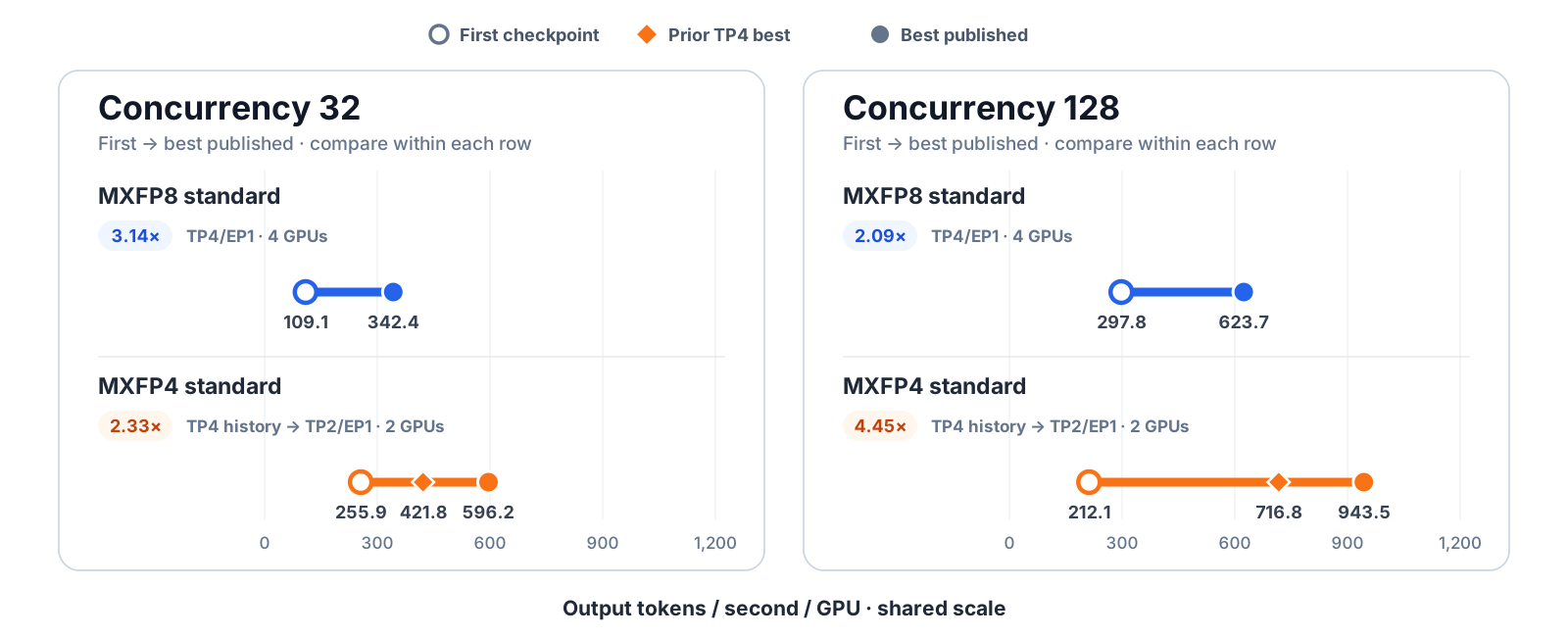
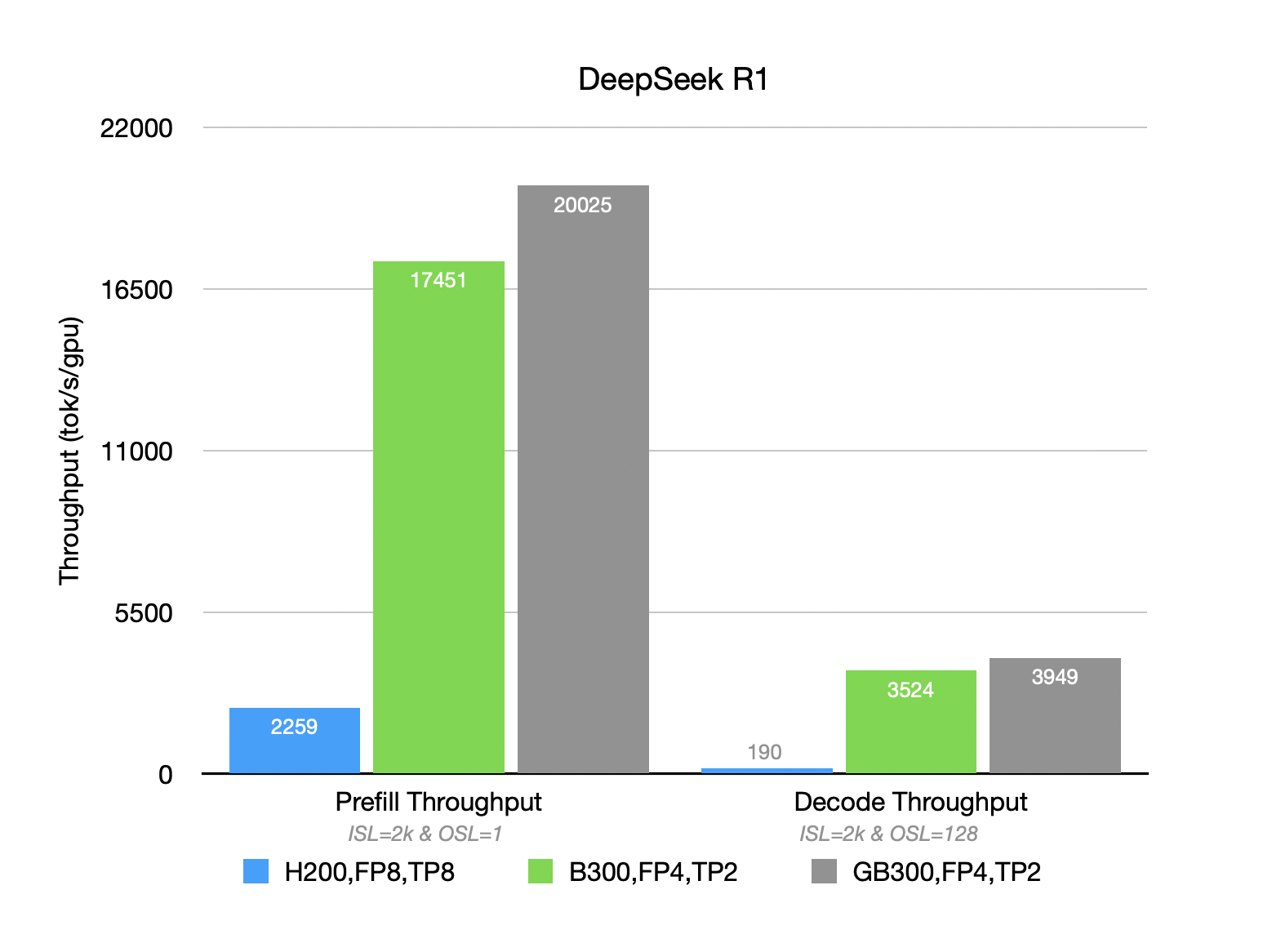
DeepSeek-V3.2 (NVFP4 + TP2)has been successfully and smoothly run on GB300 (SM103 - Blackwell Ultra). Leveraging FP4 quantization, it achieves a single-GPU throughput of 7360 TGS (tokens / GPU /...

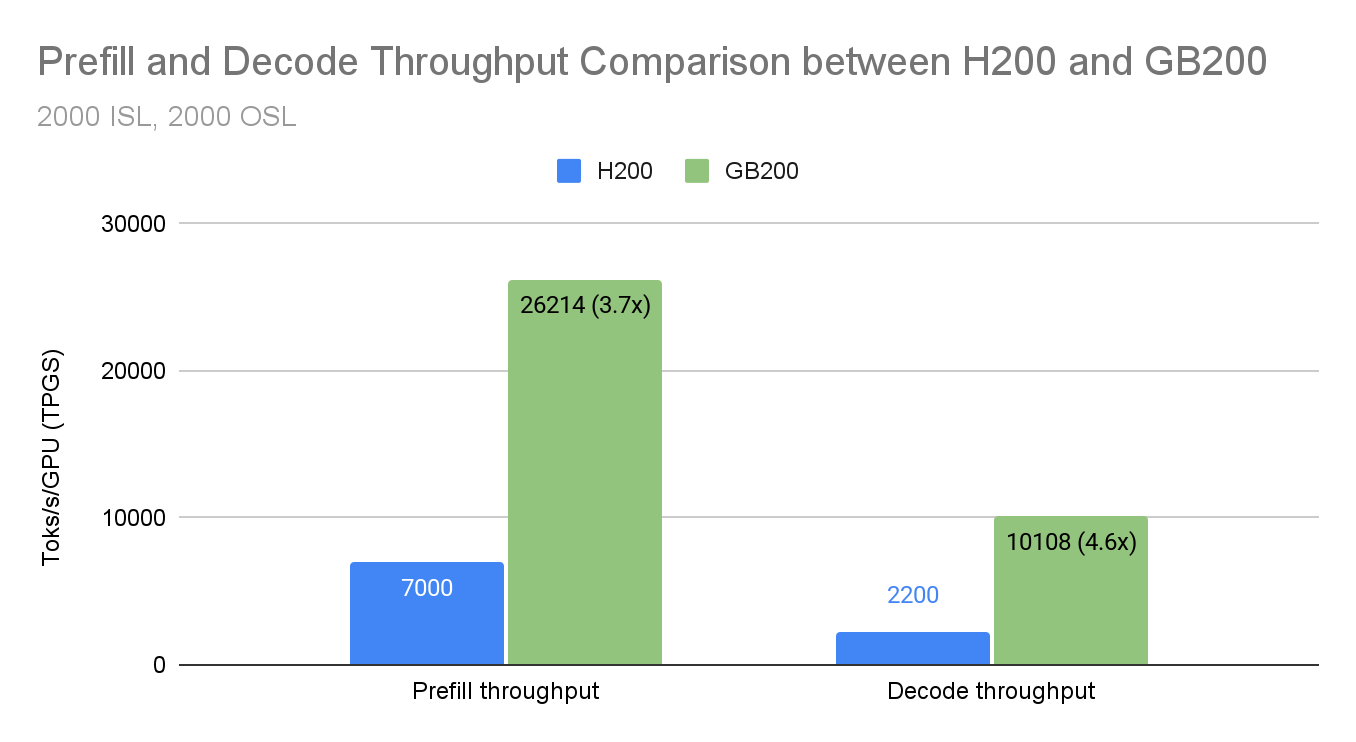
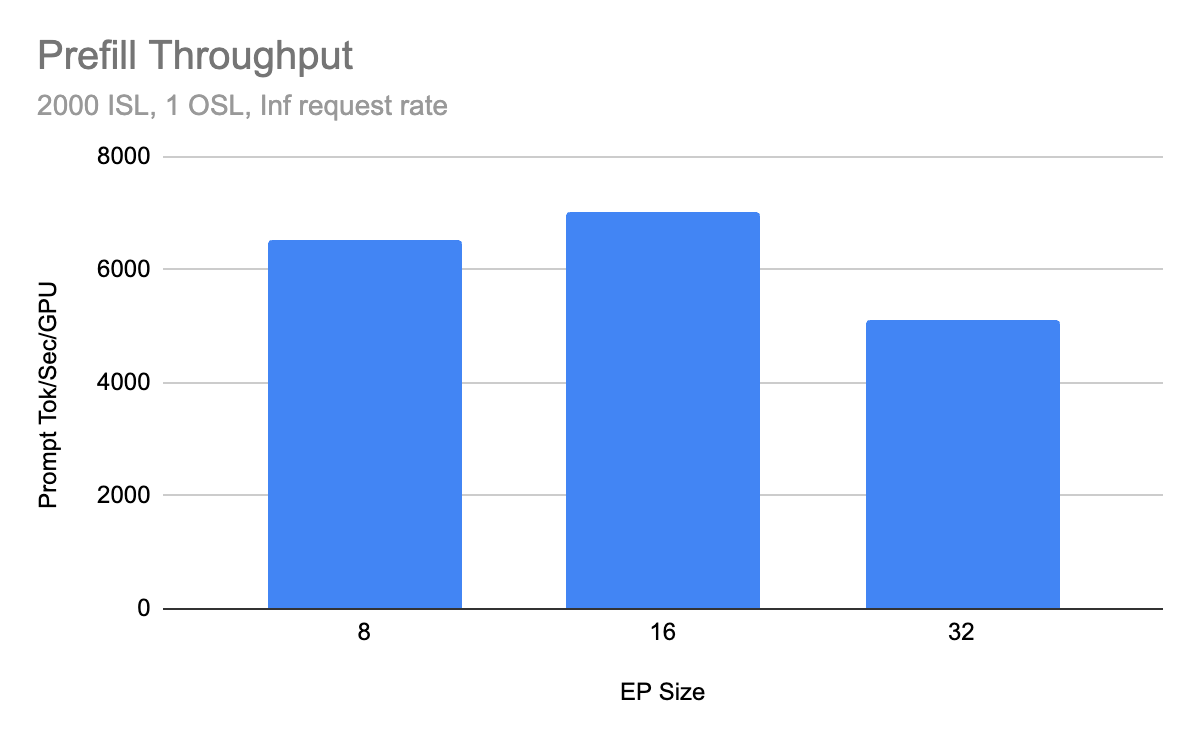
Building on our previous work achieving 2.2k tok/s/H200 decode throughput with wide-EP, the vLLM team has continued performance optimization efforts targeting NVIDIA's GB200 platform. This blog...

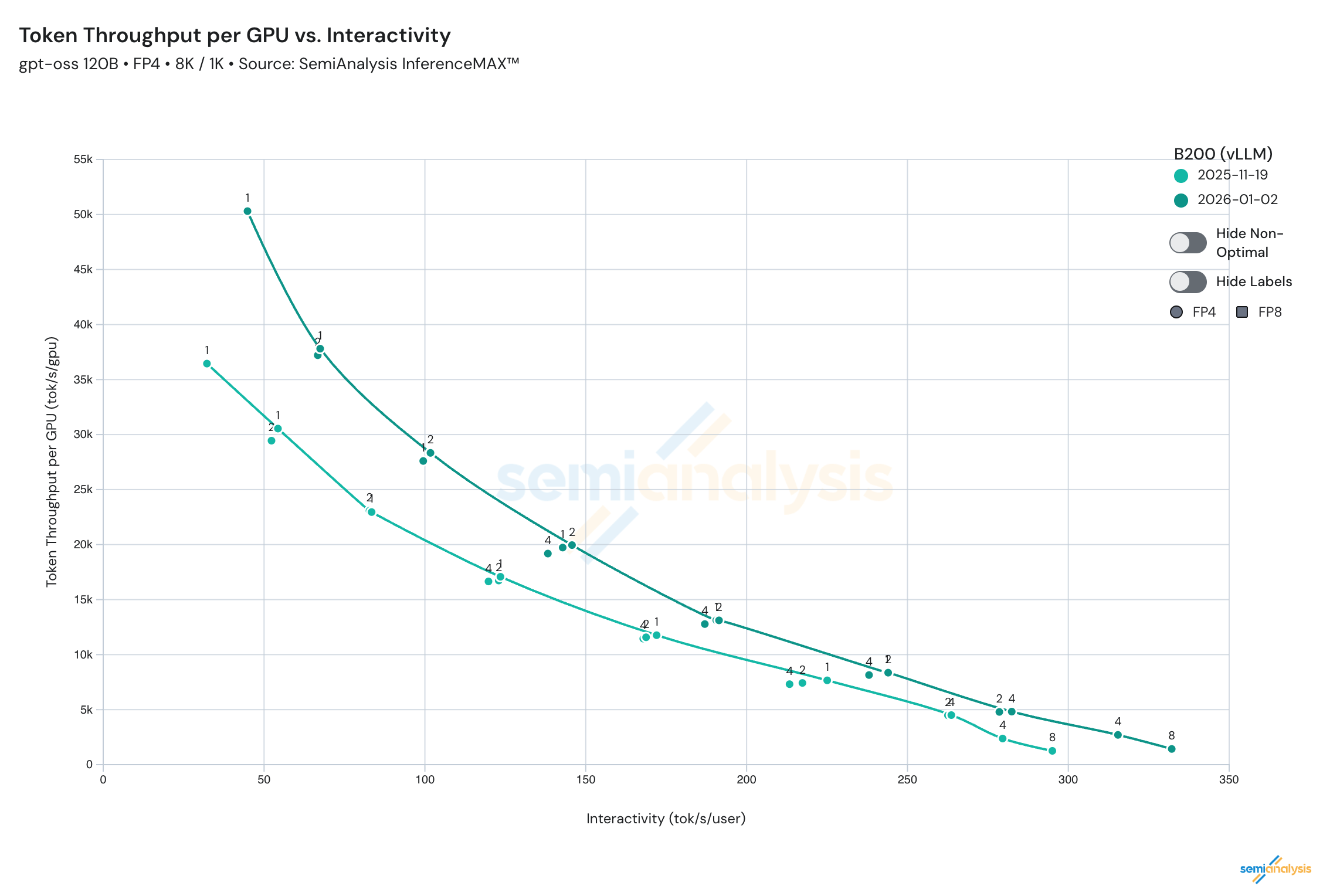
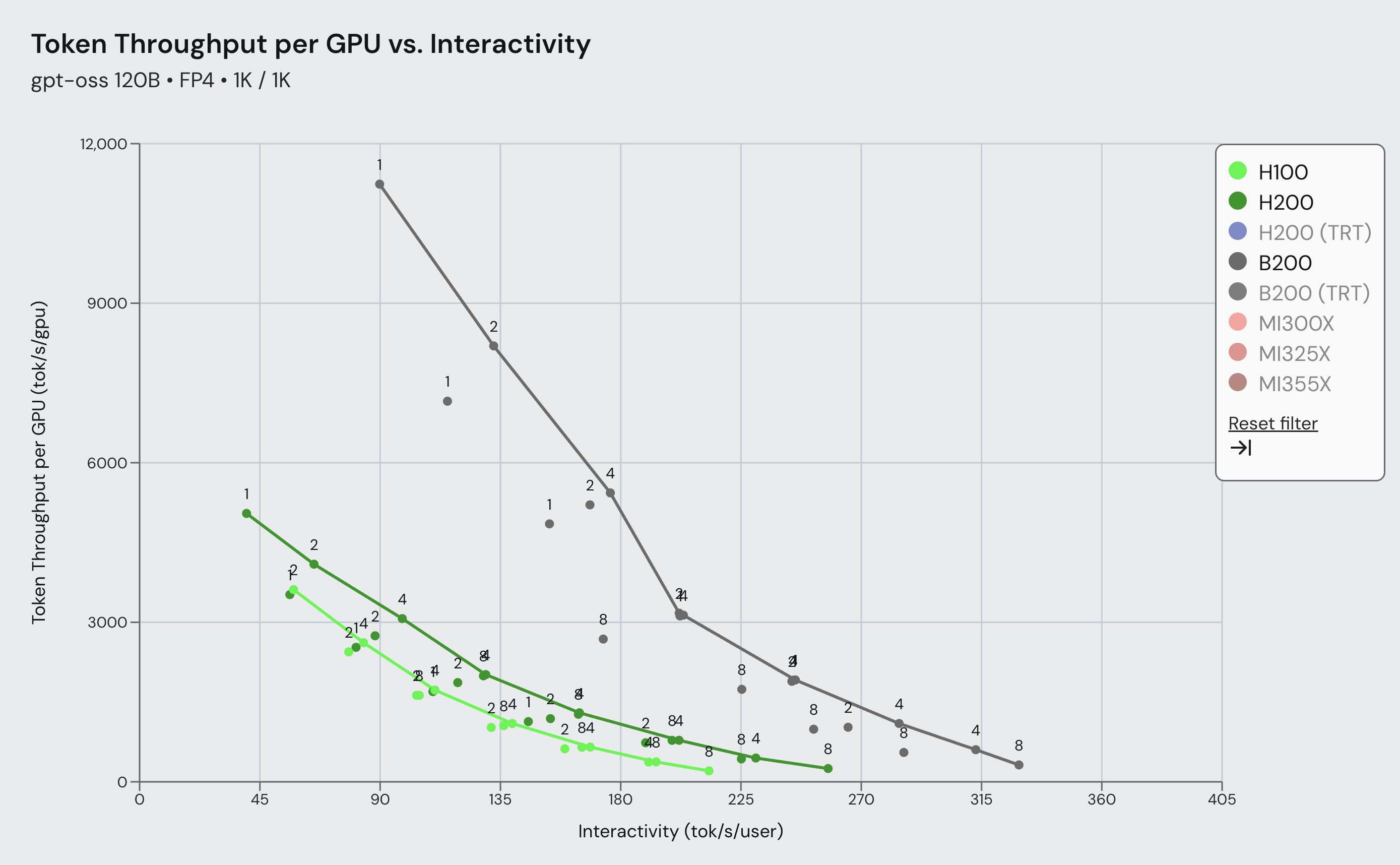
TL;DR: In collaboration with the open-source community, vLLM \+ NVIDIA has achieved significant performance milestones on the gpt-oss-120b model running on NVIDIA's Blackwell GPUs. Through deep...

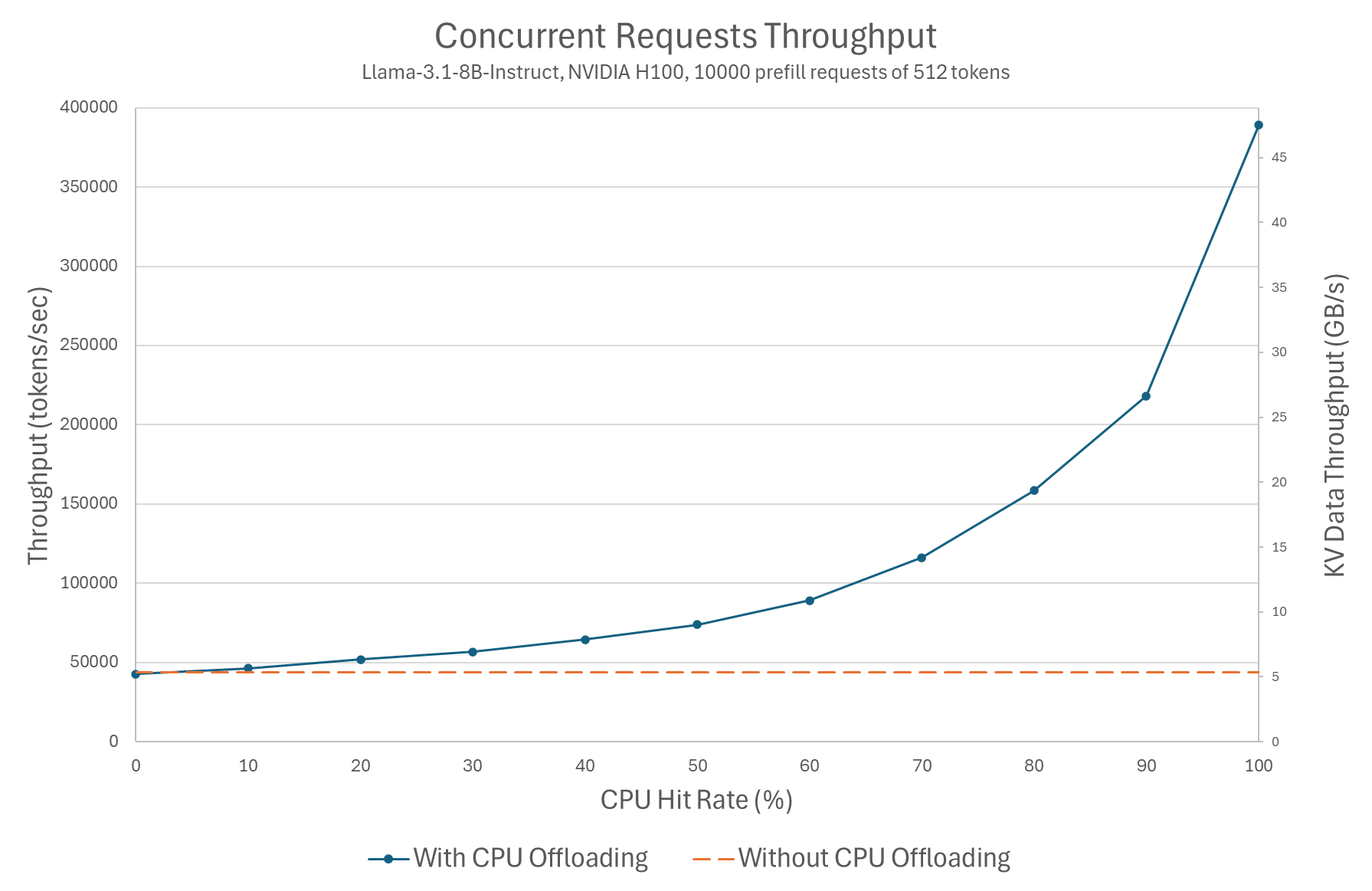
In this post, we will describe the new KV cache offloading feature that was introduced in vLLM 0.11.0. We will focus on offloading to CPU memory (DRAM) and its benefits to improving overall...

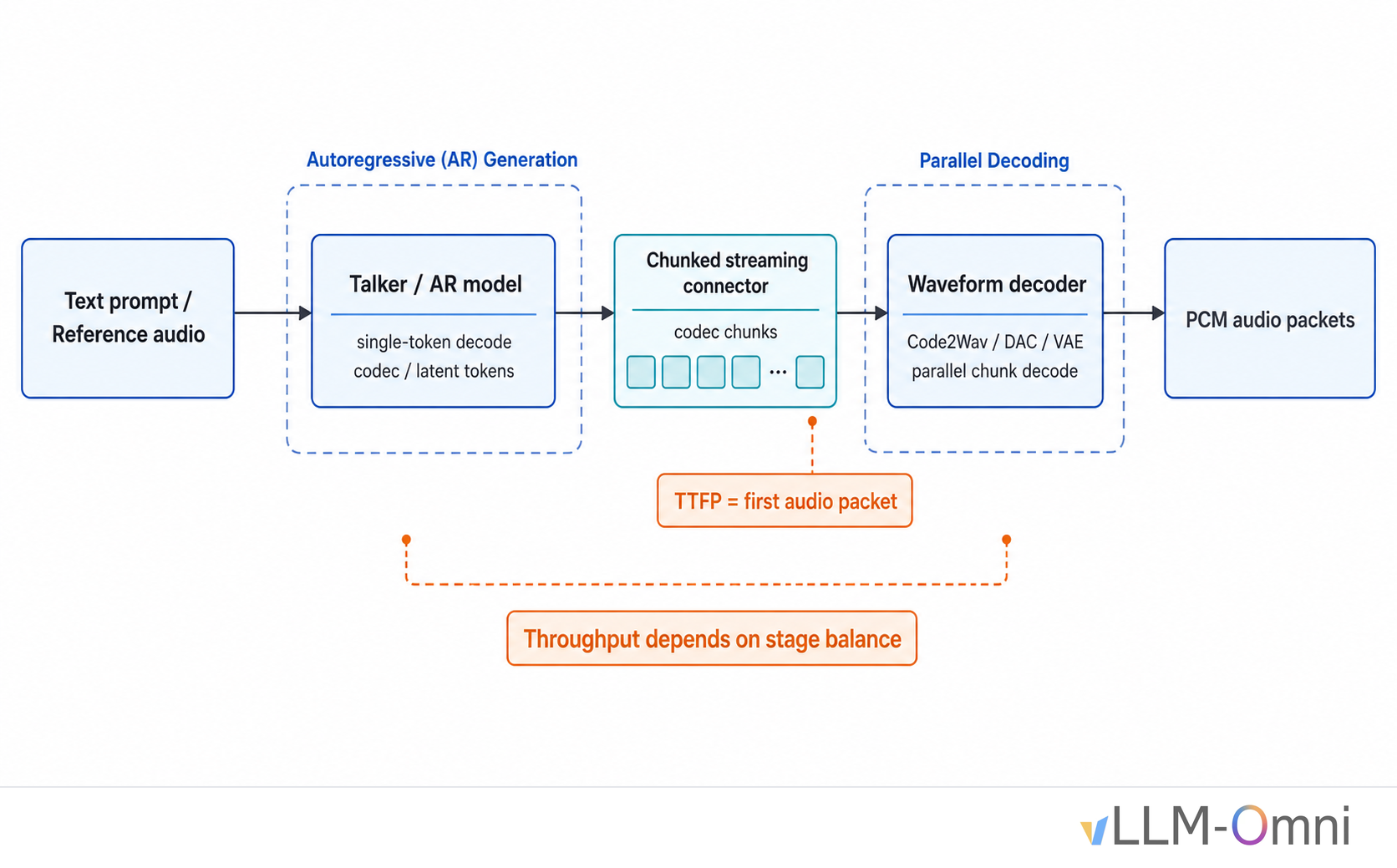
We are thrilled to announce a major performance update for vLLM-Omni.

In v0.11.0, the last code from vLLM V0 engine was removed, marking the complete migration to the improved V1 engine architecture. This achievement would not have been possible without vLLM’s...

Introducing Shared Memory IPC Caching — a high-performance caching mechanism contributed by Cohere to the vLLM project. By bypassing redundant inter-process communication and keeping large...

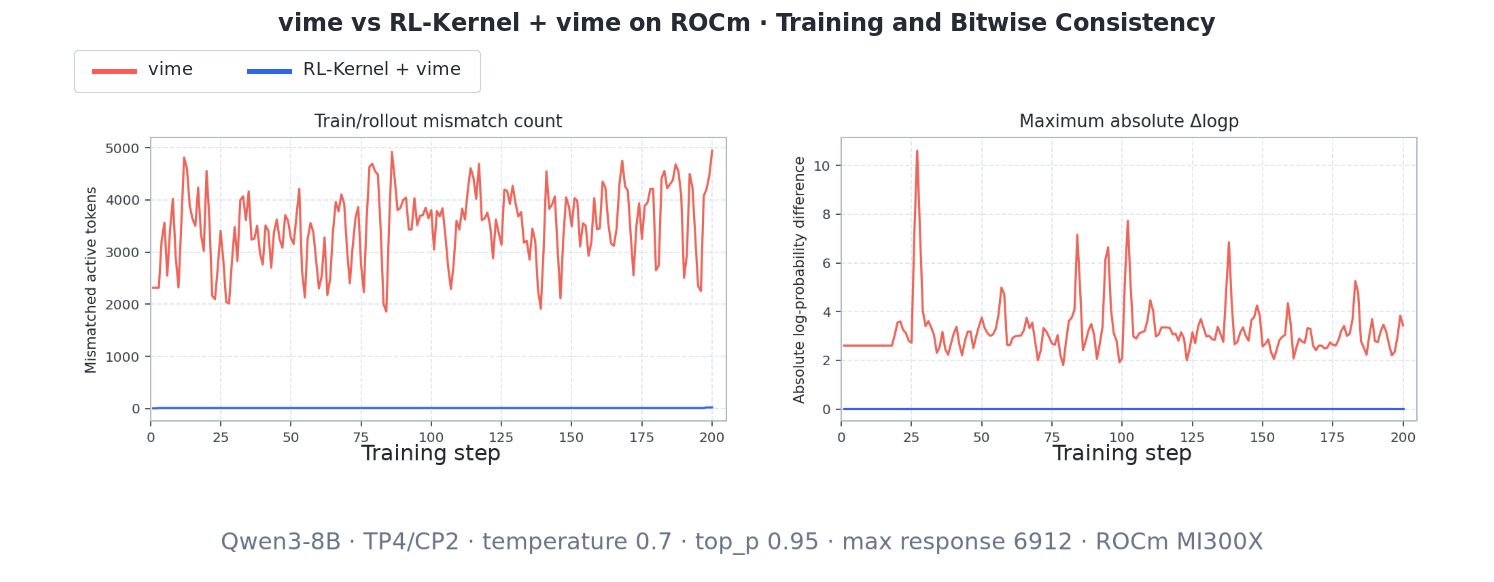
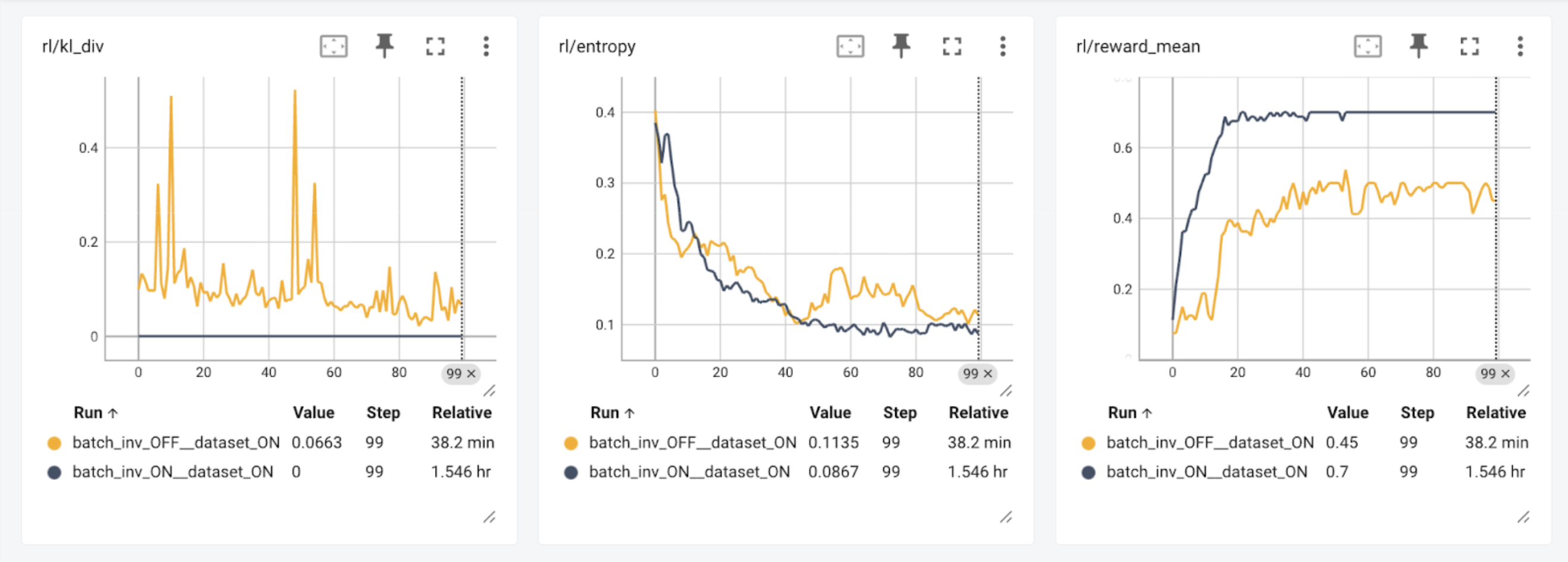
We demonstrate an open-source bitwise consistent on-policy RL run with TorchTitan as the training engine and vLLM as the inference engine. Built on top of vLLM's recent work on batch-invariant...

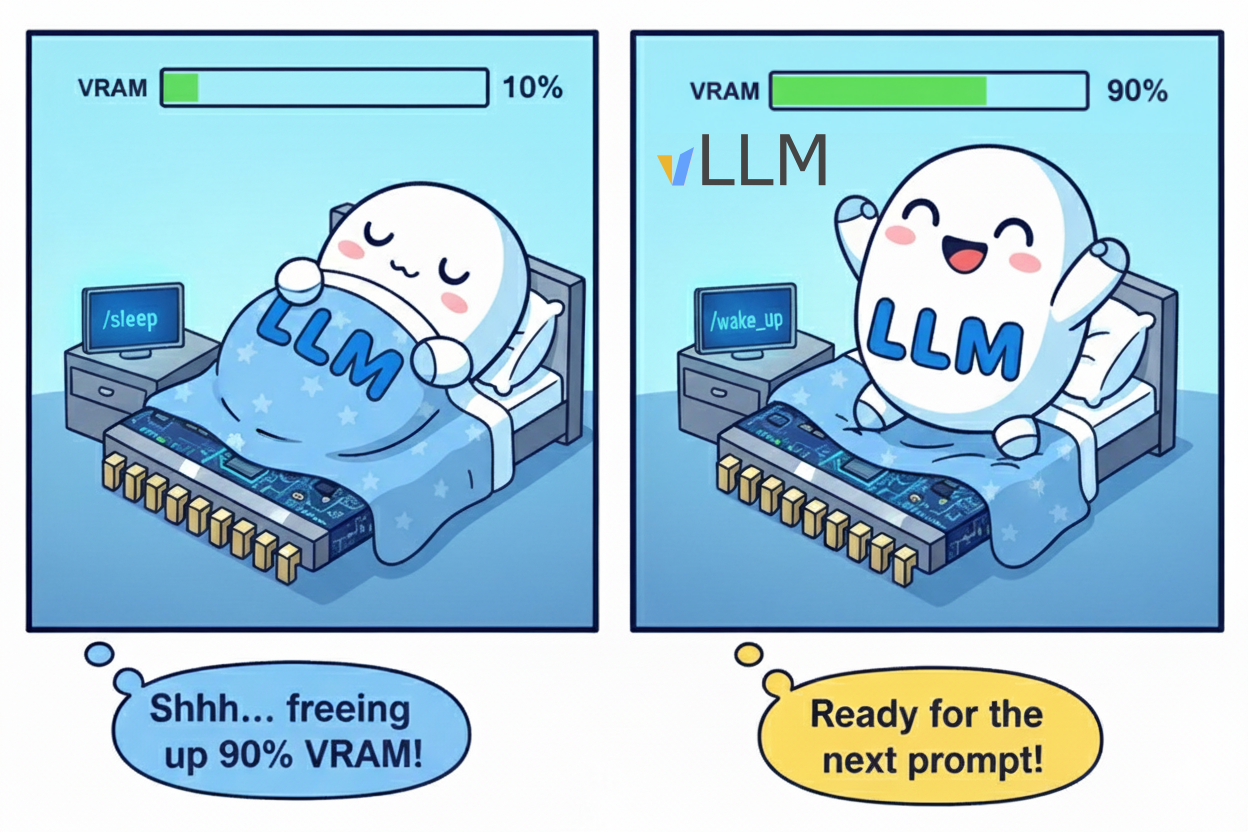
The multi-model serving problem: You have two LLMs that each fit on your GPU, but not both at once. Traditional solutions force a bad tradeoff:

Over the past several months, we’ve been collaborating closely with NVIDIA to unlock the full potential of their latest NVIDIA Blackwell GPU architecture (B200/GB200) for large language model...

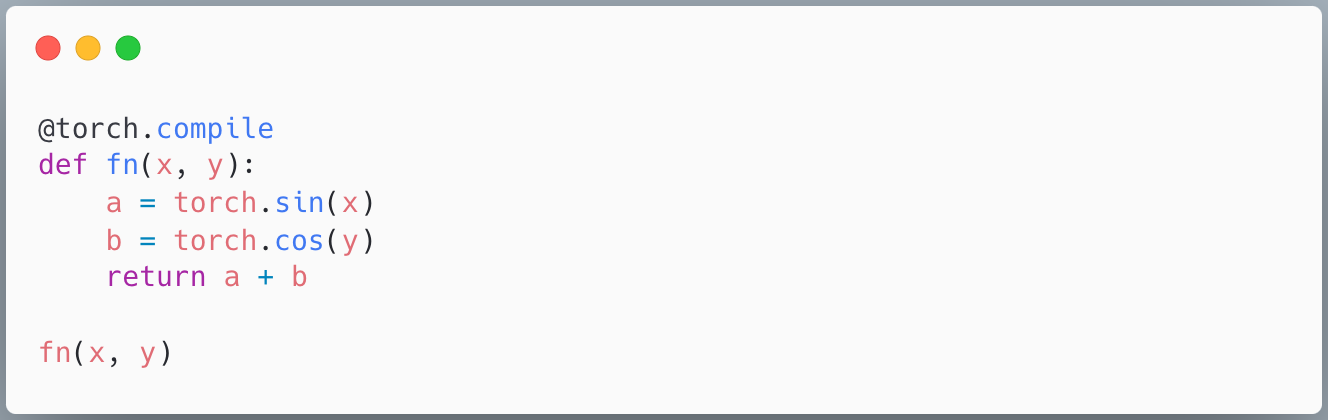
Fast large language model (LLM) inference today requires executing models as efficiently as possible across diverse hardware, workloads, and scale. Efficient execution requires heavily optimized...

We're thrilled to announce that vLLM now supports gpt-oss on NVIDIA Blackwell and Hopper GPUs, as well as AMD MI300x and MI355x GPUs. In this blog post, we’ll explore the efficient model...

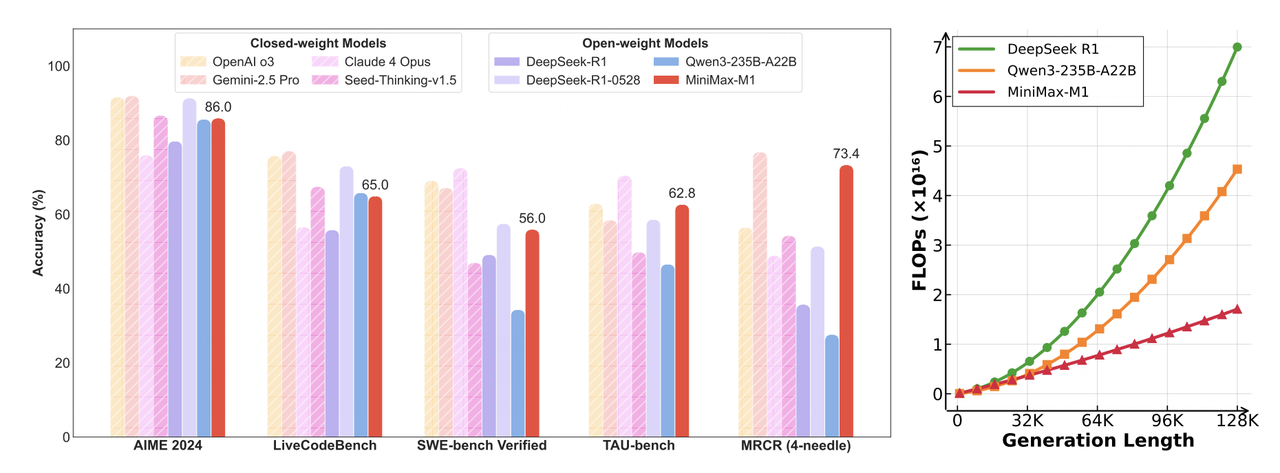
This article explores how MiniMax-M1's hybrid architecture is efficiently supported in vLLM. We discuss the model's unique features, the challenges of efficient inference, and the technical...

We are thrilled to announce the alpha release of vLLM V1, a major upgrade to vLLM’s core architecture. Based on lessons we learned over the past 1.5 years of vLLM development, we revisited key...

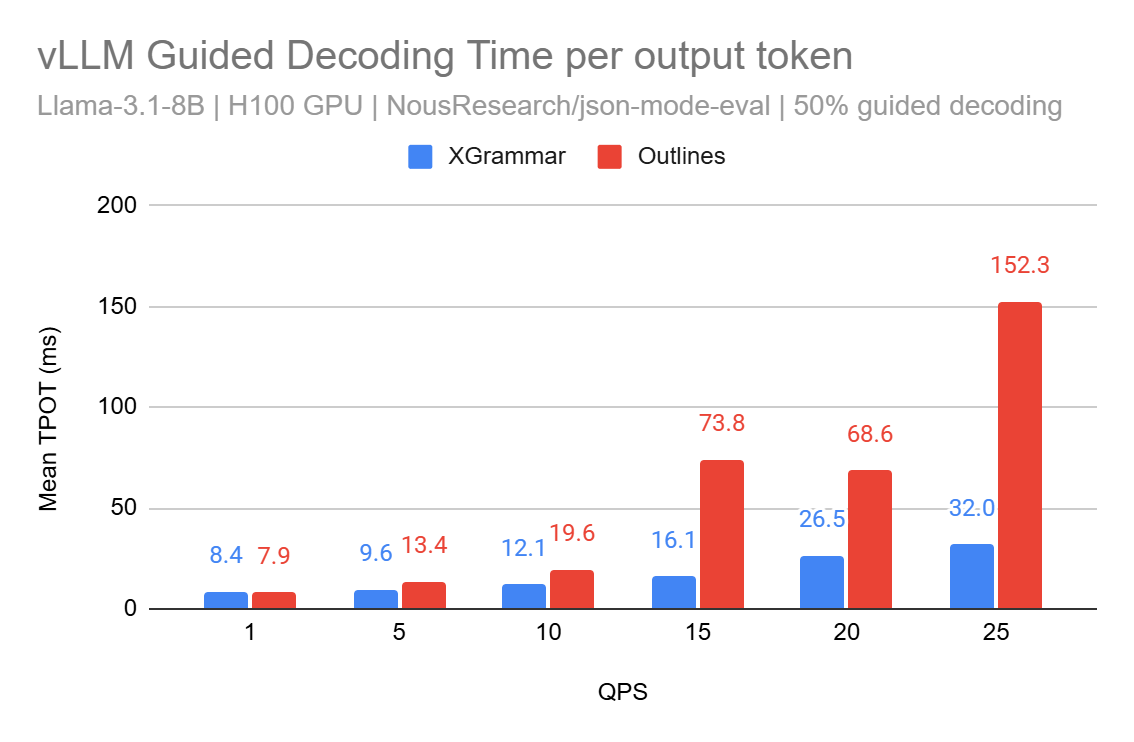
- Structured decoding allows precise control over LLM output formats - vLLM now supports both outlines and XGrammar backends for structured decoding - Recent XGrammar integration brings up to 5x...

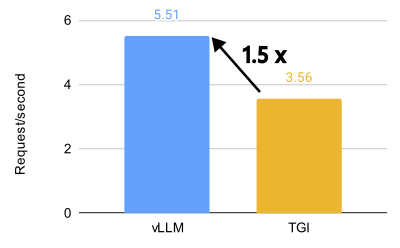
TL;DR: vLLM unlocks incredible performance on the AMD MI300X, achieving 1.5x higher throughput and 1.7x faster time-to-first-token (TTFT) than Text Generation Inference (TGI) for Llama 3.1 405B....

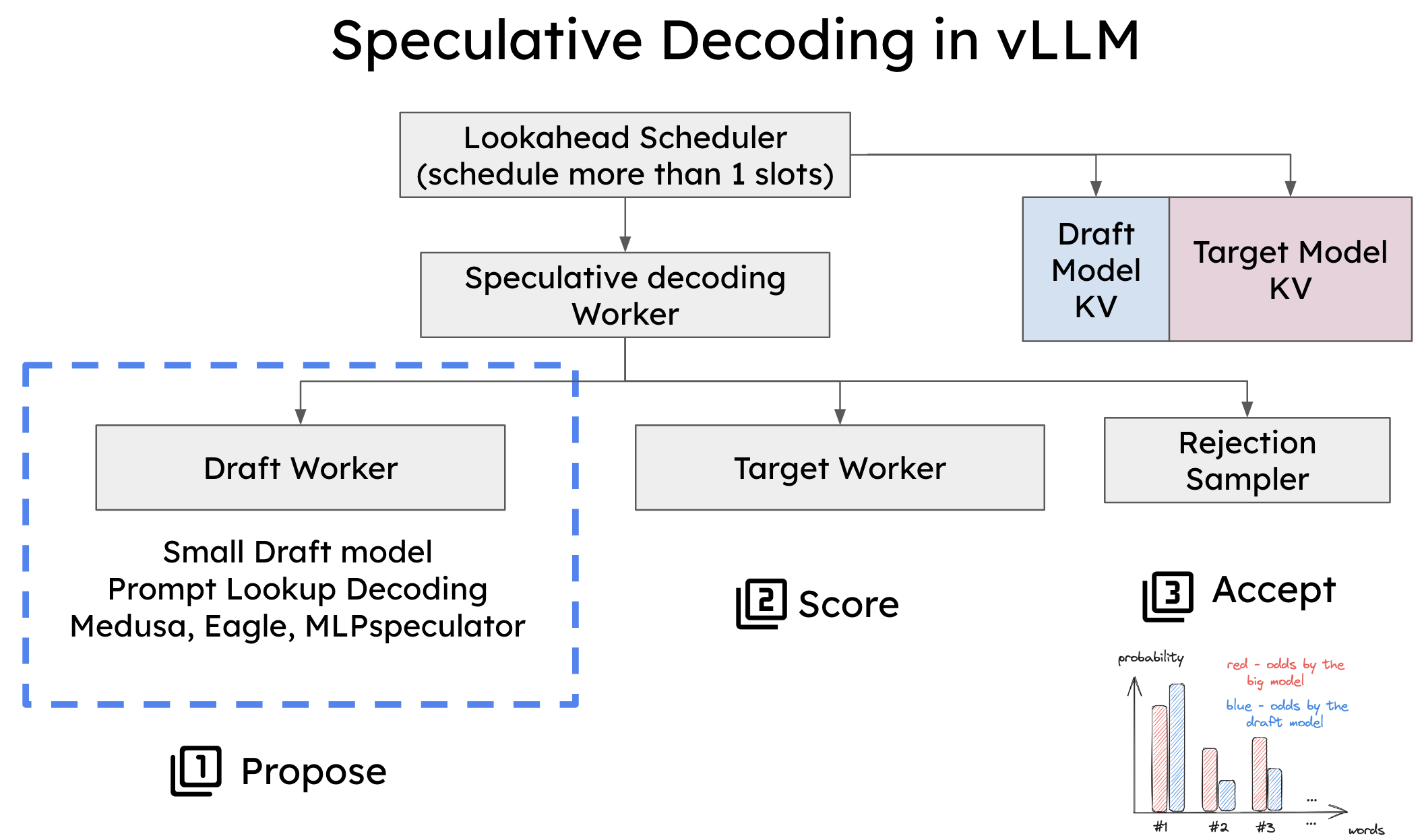
Speculative decoding in vLLM is a powerful technique that accelerates token generation by leveraging both small and large models in tandem. In this blog, we’ll break down speculative decoding in...

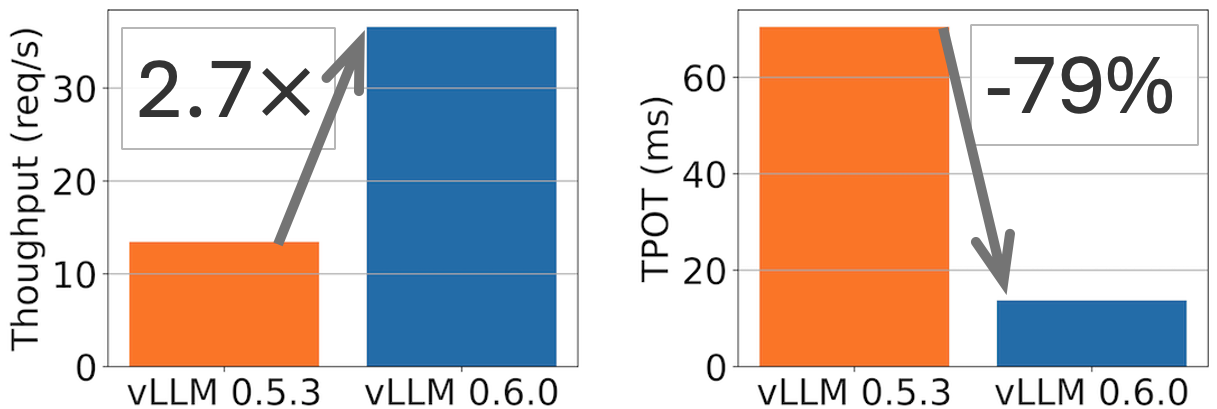
TL;DR: vLLM achieves 2.7x higher throughput and 5x faster TPOT (time per output token) on Llama 8B model, and 1.8x higher throughput and 2x less TPOT on Llama 70B model.

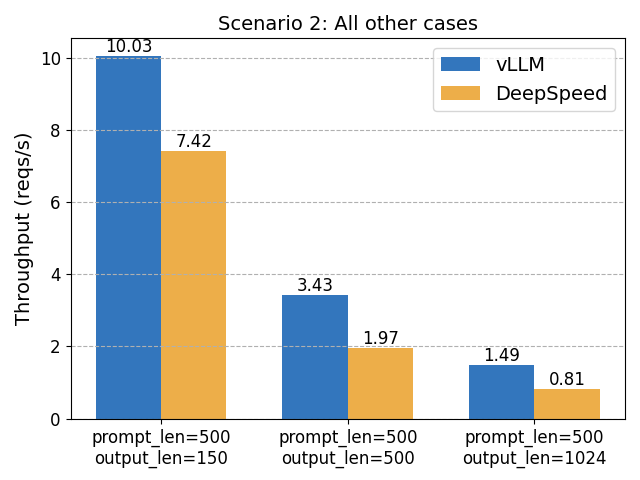
- vLLM matches DeepSpeed-FastGen's speed in common scenarios and surpasses it when handling longer outputs. - DeepSpeed-FastGen only outperforms vLLM in scenarios with long prompts and short...

LLMs promise to fundamentally change how we use AI across all industries. However, actually serving these models is challenging and can be surprisingly slow even on expensive hardware. Today we...