
Micro-Agent: Beat Frontier Models with Collaboration inside Model API
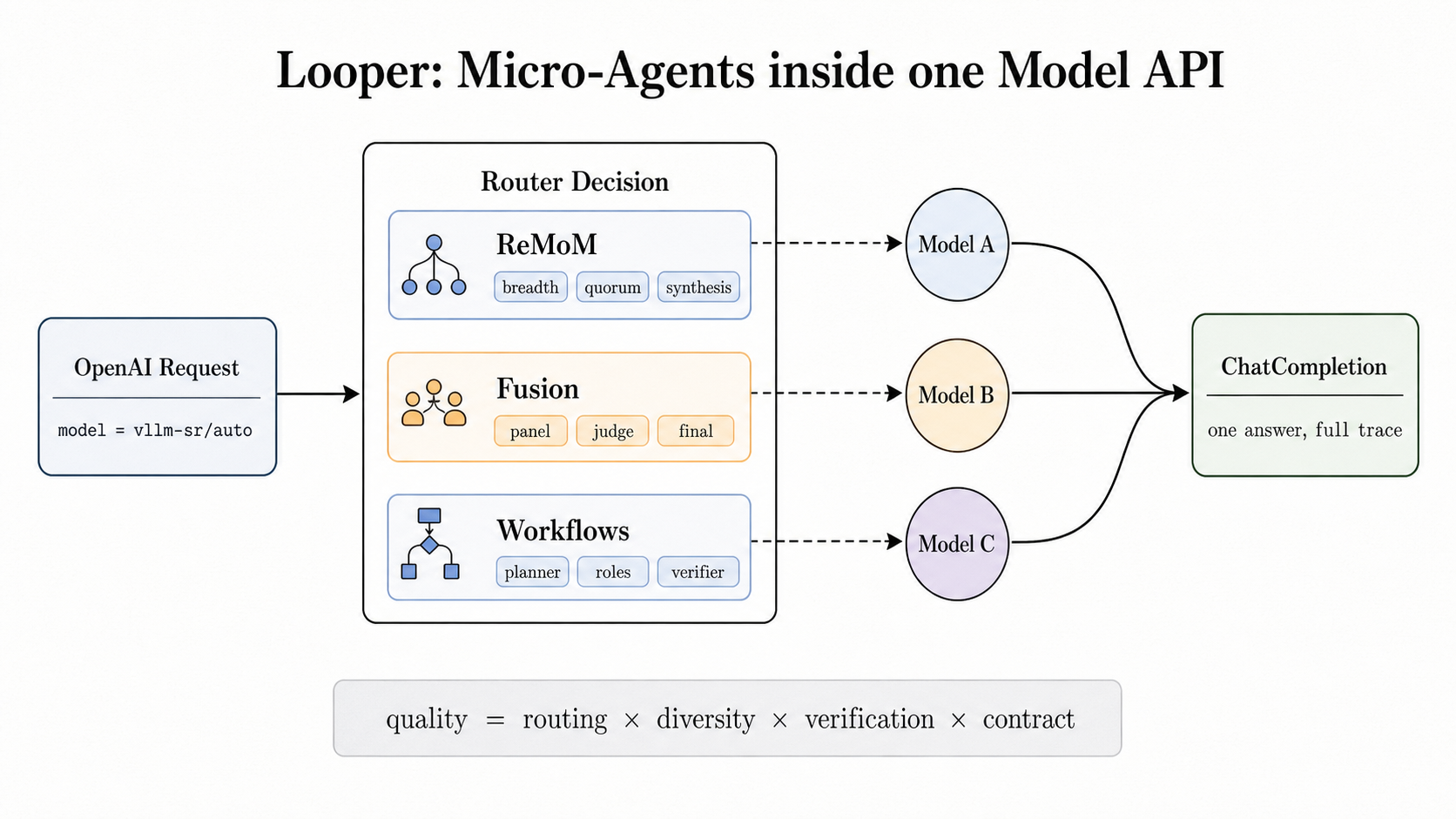
How vLLM Semantic Router turns vllm-sr/auto into a bounded micro-agent runtime for Confidence, Ratings, ReMoM, Fusion, Workflows, and benchmark-shaped collaboration.
25 posts

How vLLM Semantic Router turns vllm-sr/auto into a bounded micro-agent runtime for Confidence, Ratings, ReMoM, Fusion, Workflows, and benchmark-shaped collaboration.

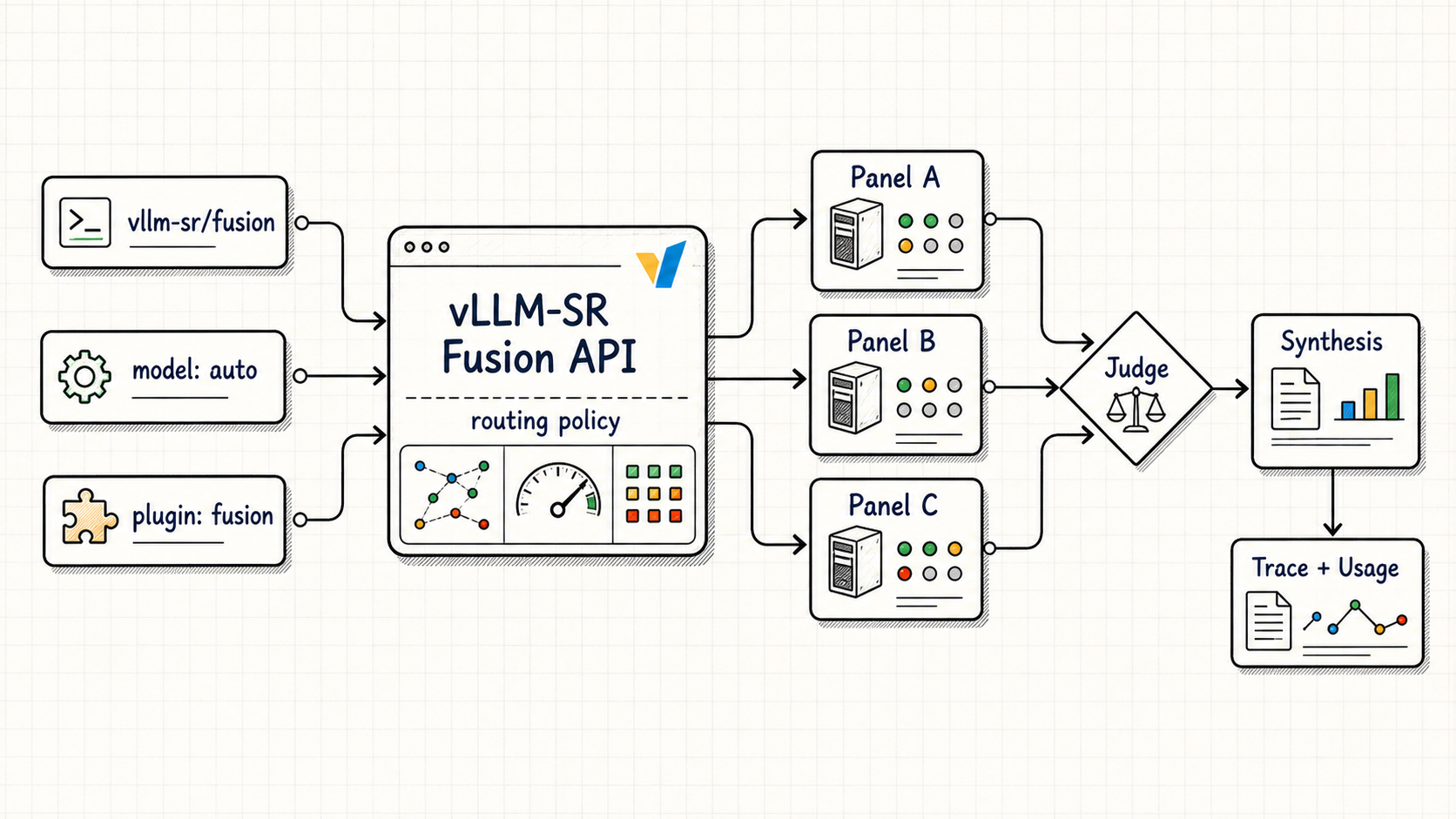
How vLLM Semantic Router Fusion runs a panel of models, uses a judge to analyze agreement and gaps, and synthesizes one answer while preserving routing policy, traces, and OpenAI-compatible serving.

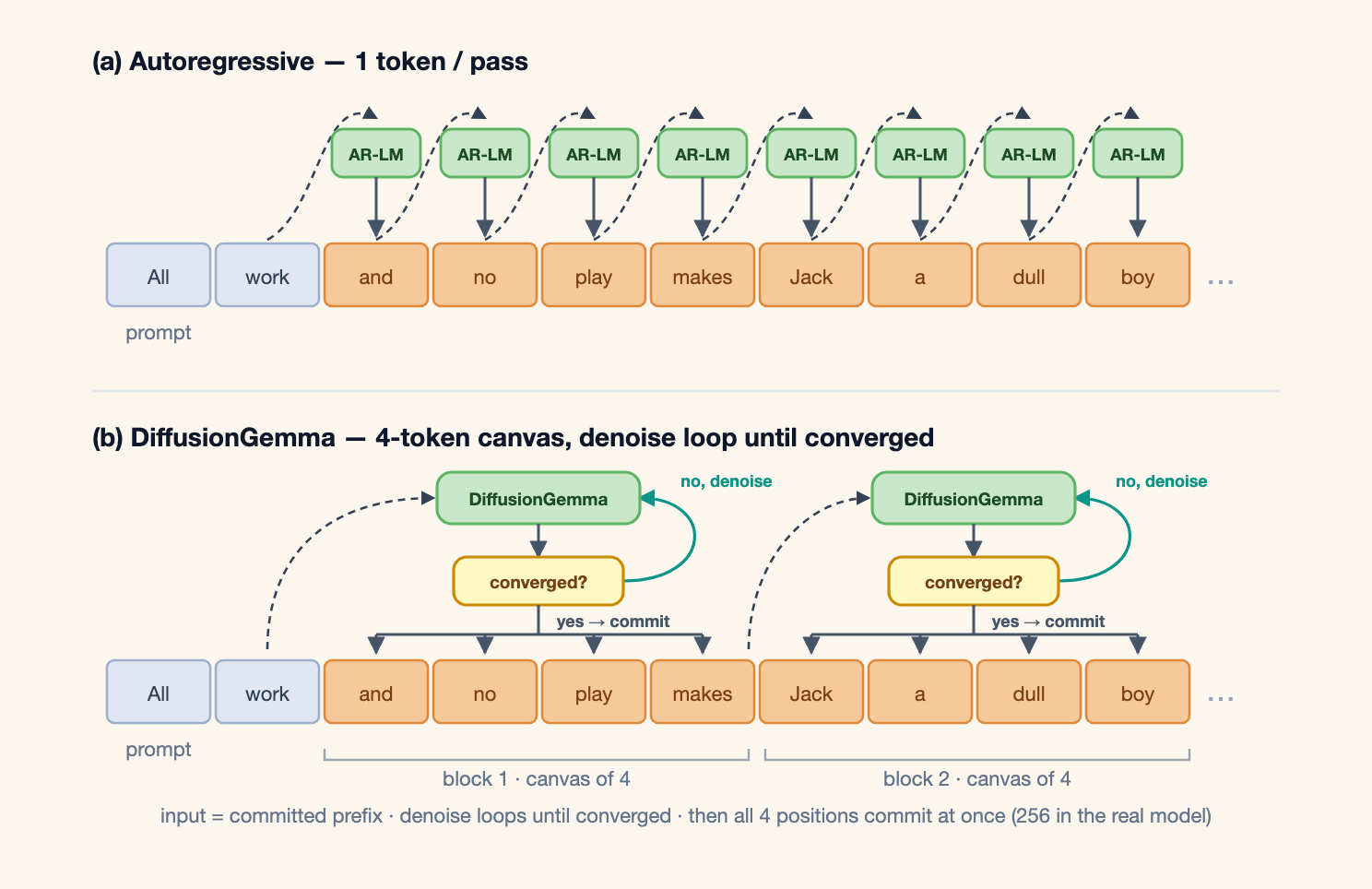
How vLLM supports DiffusionGemma, the first native diffusion language model in vLLM, using Model Runner V2 state hooks, iterative denoising, bidirectional attention, and reused speculative decoding paths.

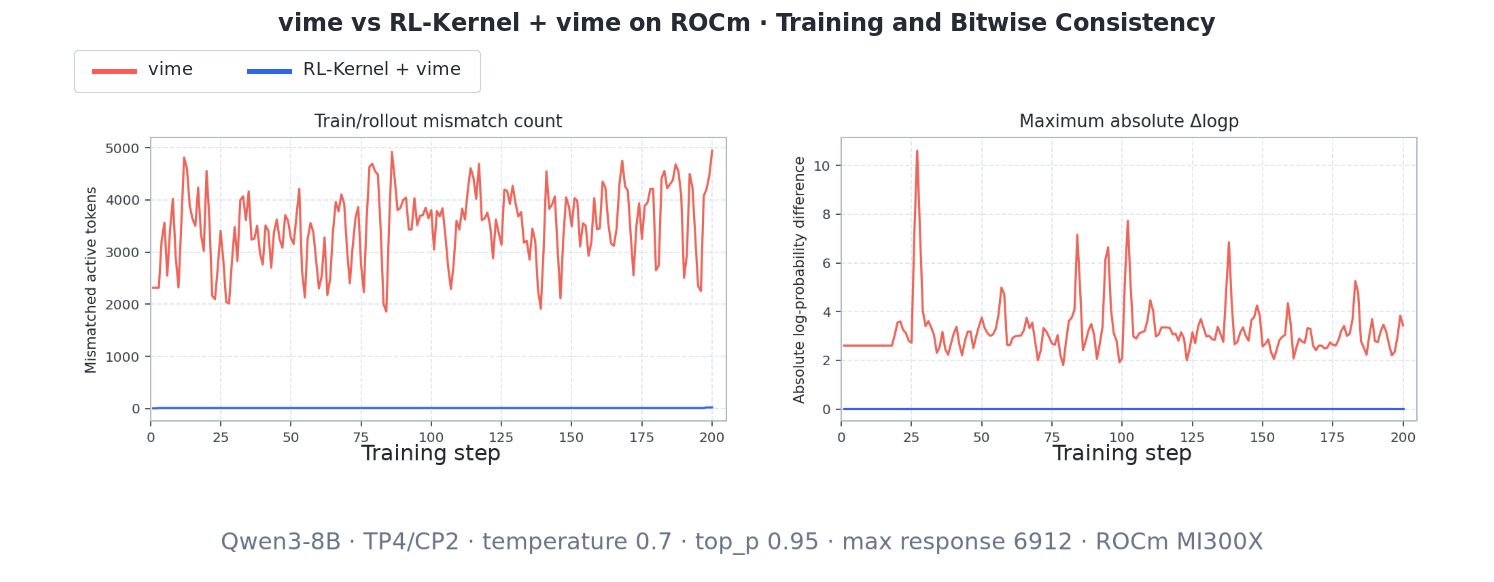
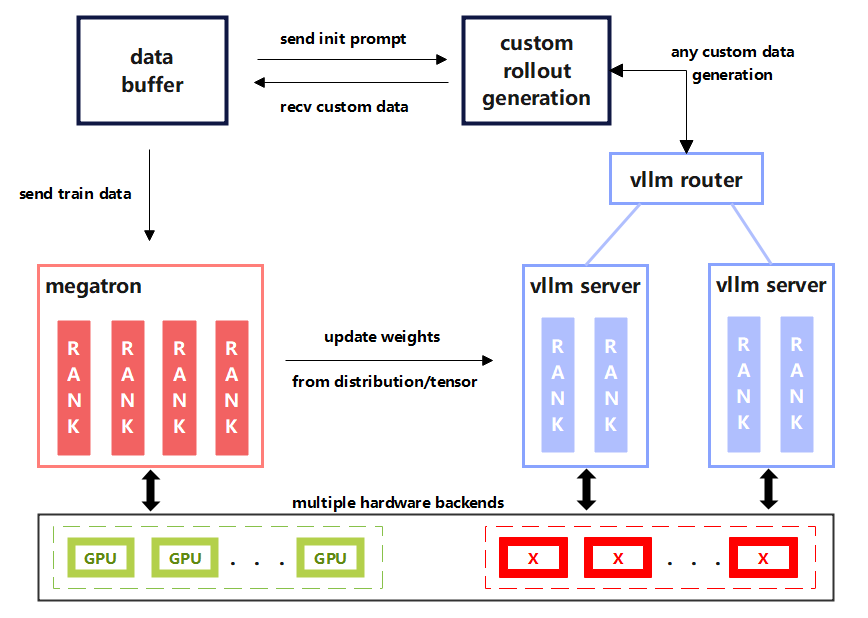
vime connects slime's training stack with vLLM rollouts to provide a simple, stable, and efficient RL post-training pipeline.

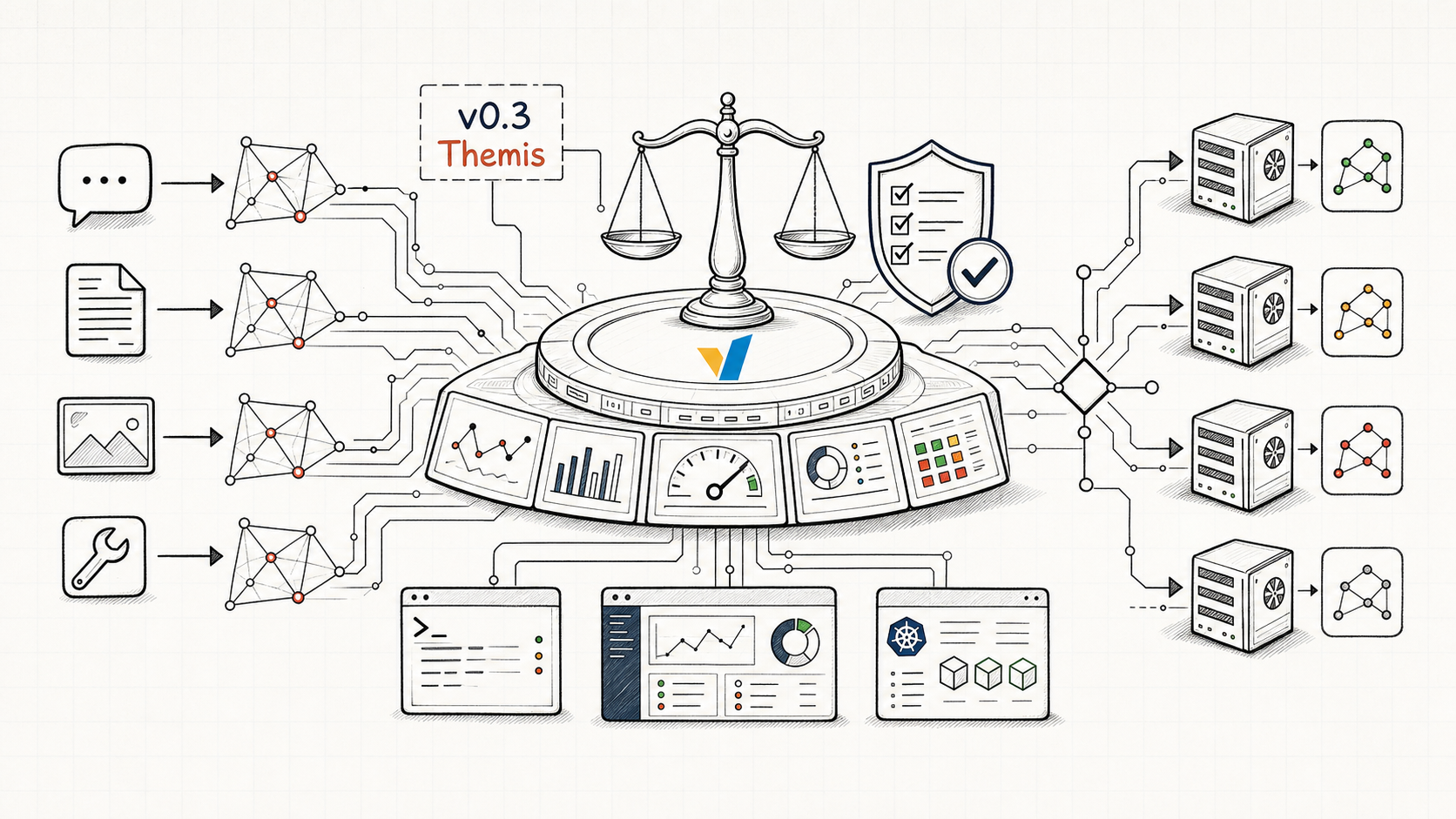
What vLLM Semantic Router v0.3 Themis adds for production routing: canonical config, inspectable signal-decision-policy flows, safer operations, CLI/dashboard/Kubernetes alignment, and replayable routing behavior.

What the DeepLearning.AI vLLM course teaches: optimizing, deploying, and benchmarking LLM inference with LLM Compressor quantization, GuideLLM, KV cache sizing, serving, and memory tradeoffs.

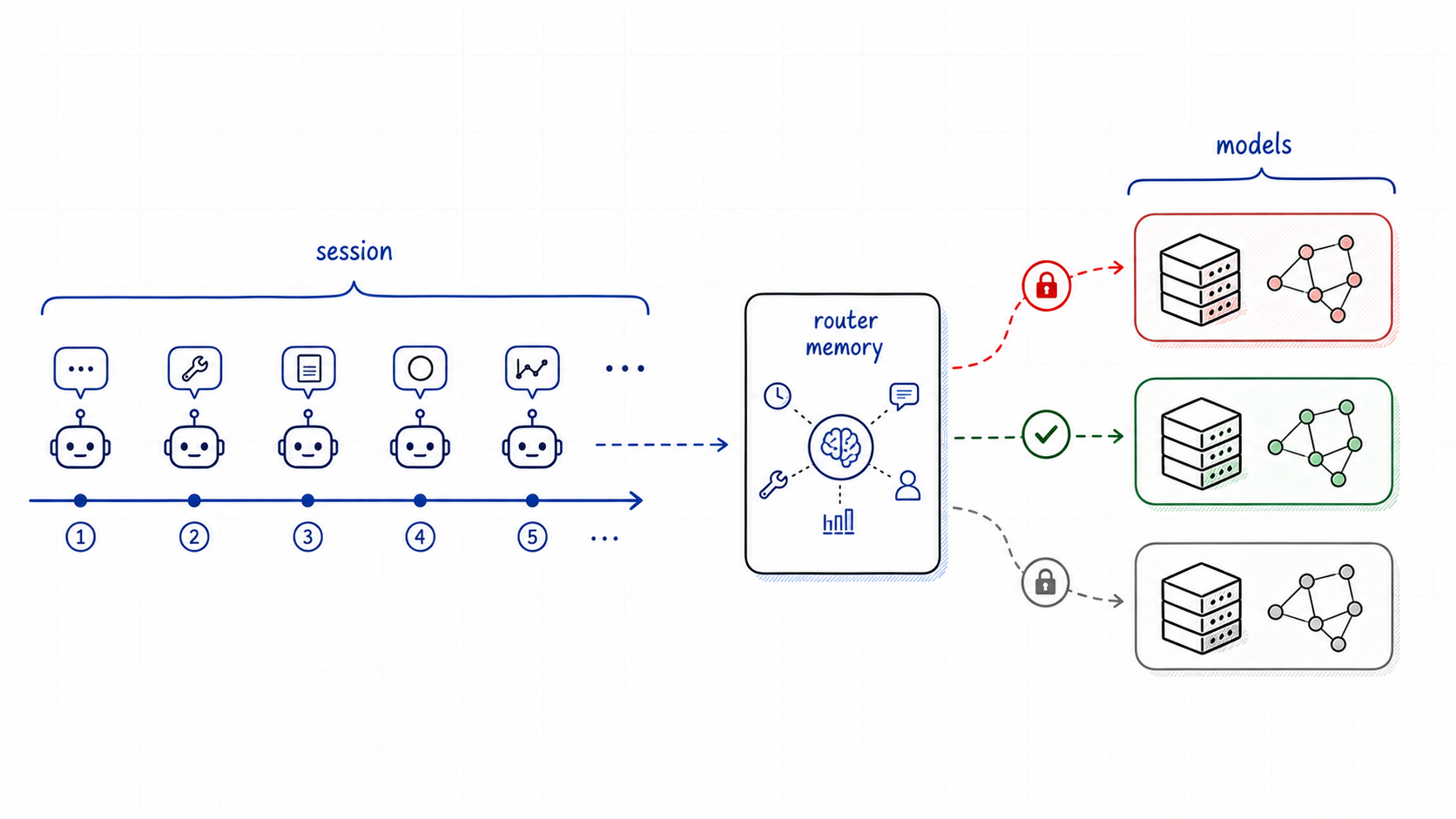
How Session-Aware Agentic Routing in vLLM Semantic Router preserves long-horizon agent continuity with session memory, safe model-switch boundaries, prefix-cache-aware switch pricing, and replayable traces.

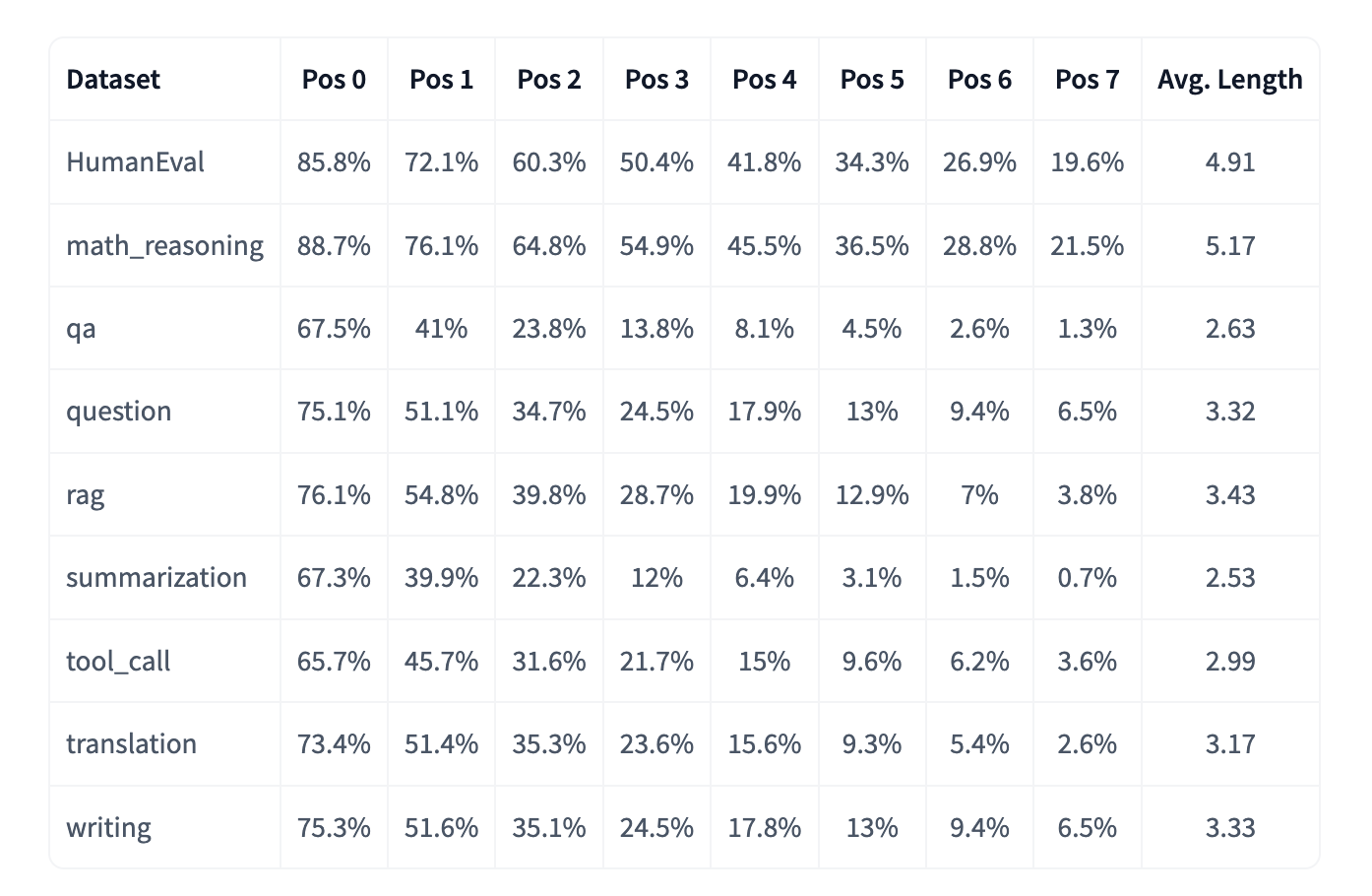
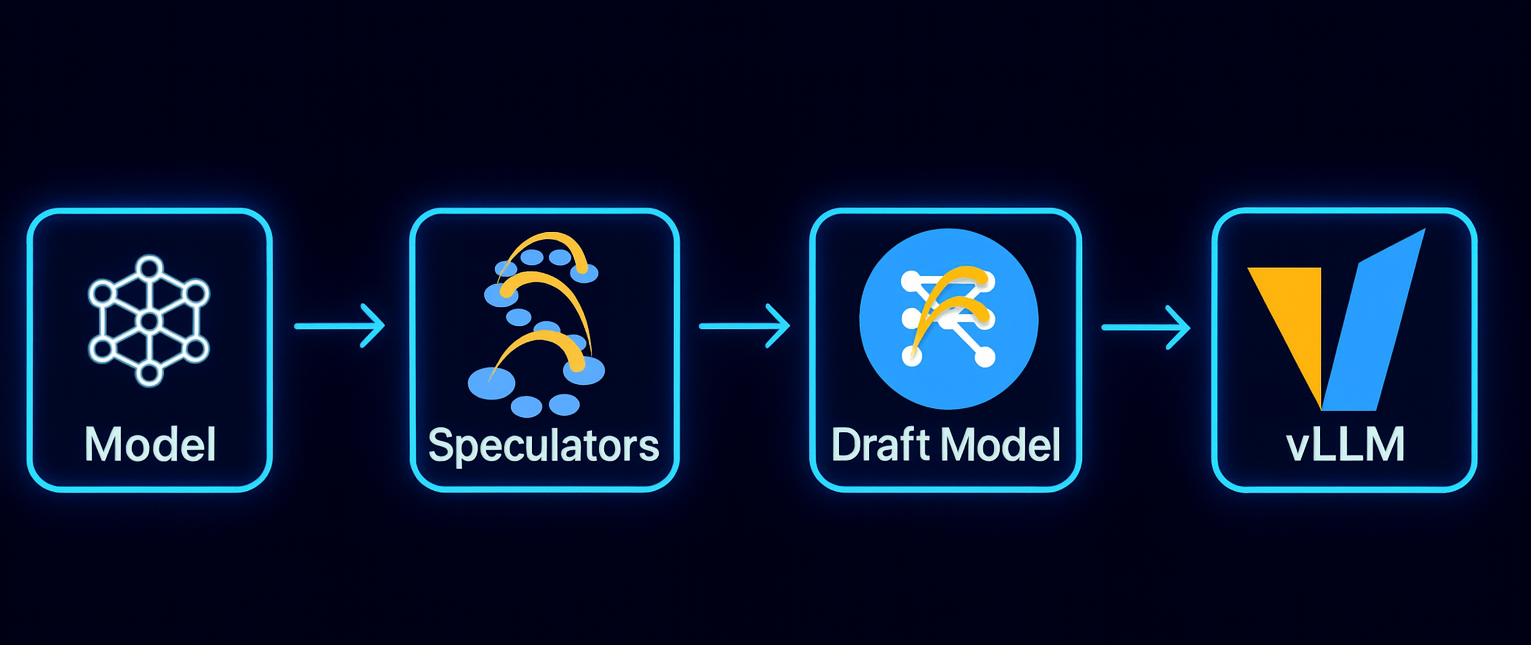
What Speculators v0.5.0 adds for vLLM speculative decoding: DFlash block-diffusion draft models, unified online and offline training, native hidden-state extraction, and Gemma 4 latency results.

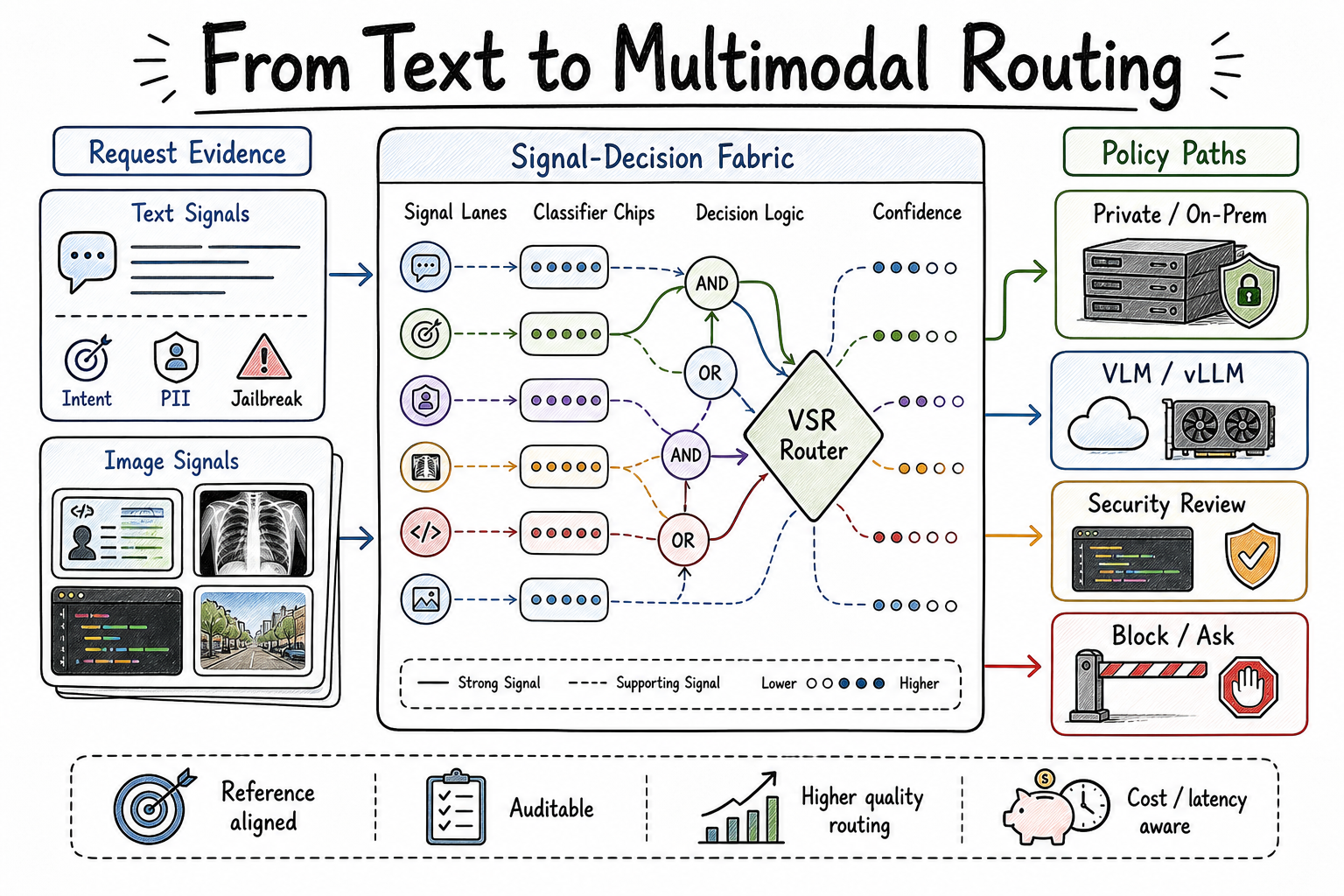
How vLLM Semantic Router hardens multimodal routing by turning visual evidence into trustworthy signals, debugging a Rust/Candle vision-encoder parity issue, and validating image signal correctness for production policy.

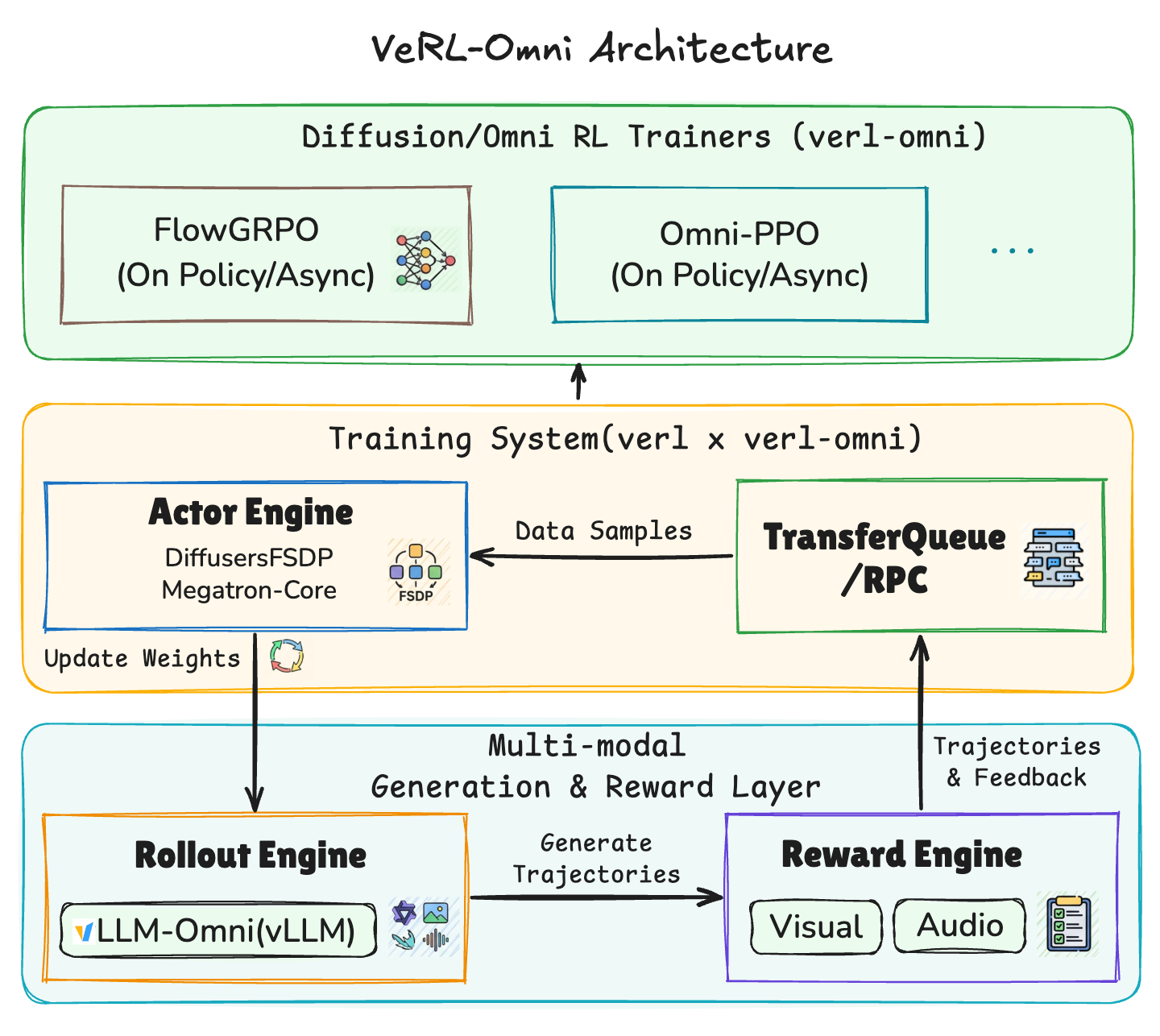
How VeRL-Omni extends verl with vLLM-Omni for reinforcement learning post-training of diffusion and multimodal generative models, including efficient rollouts, reward inference, trainers, hardware support, and recipes.

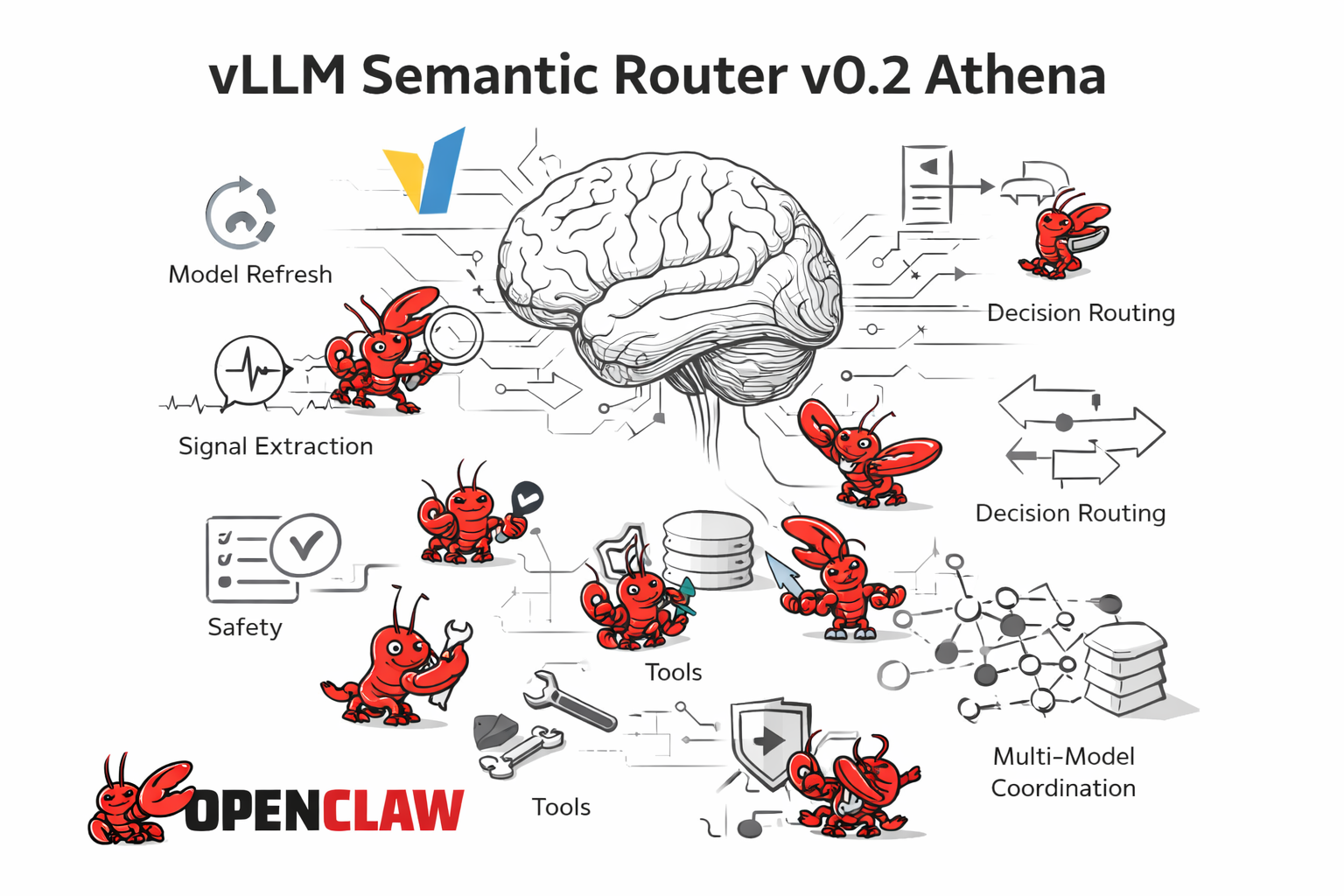
What vLLM Semantic Router v0.2 Athena adds: refreshed multilingual and multimodal routing models, ONNX and ROCm acceleration, safety and memory signals, long-context handling, and ClawOS orchestration.

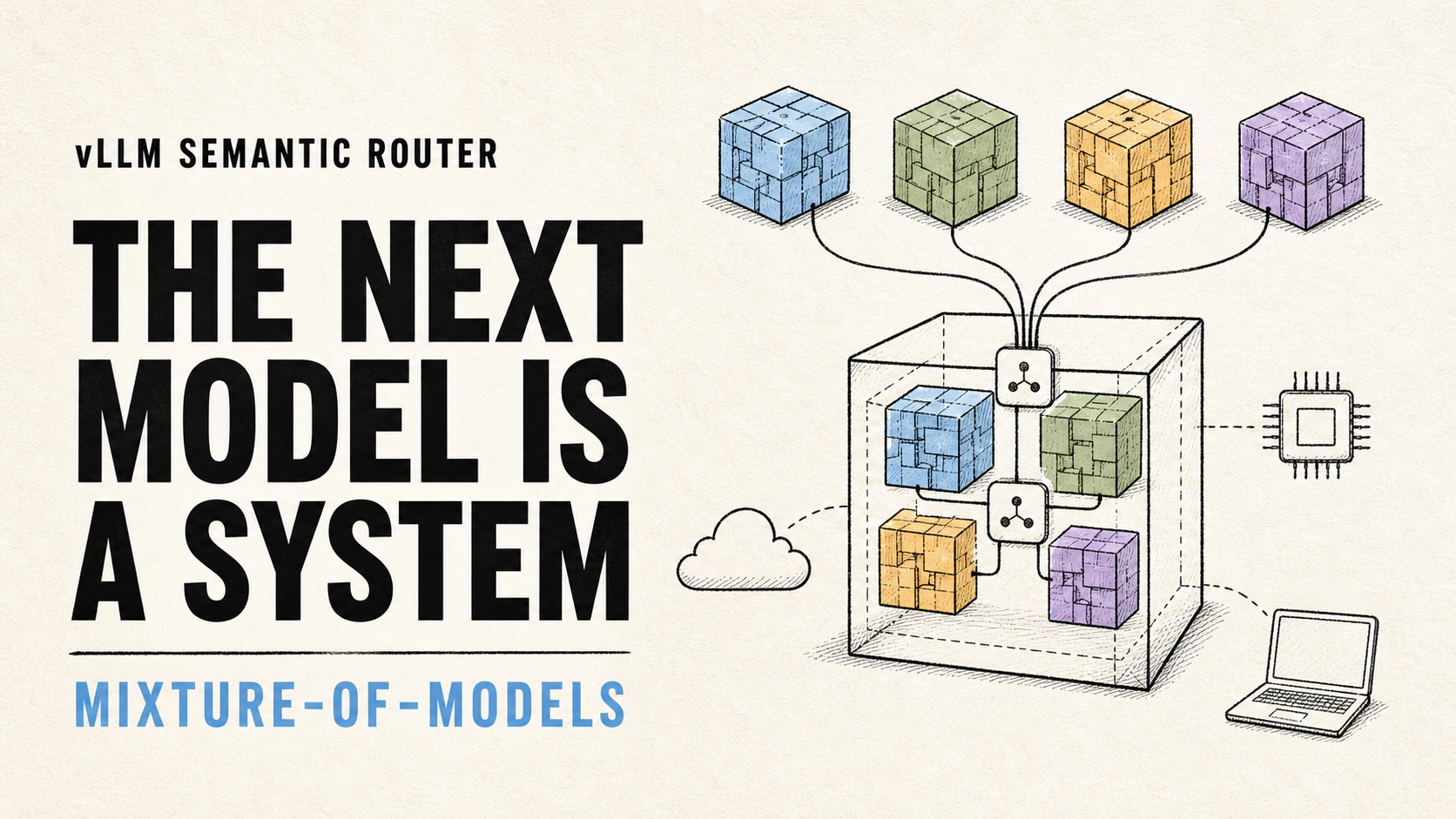
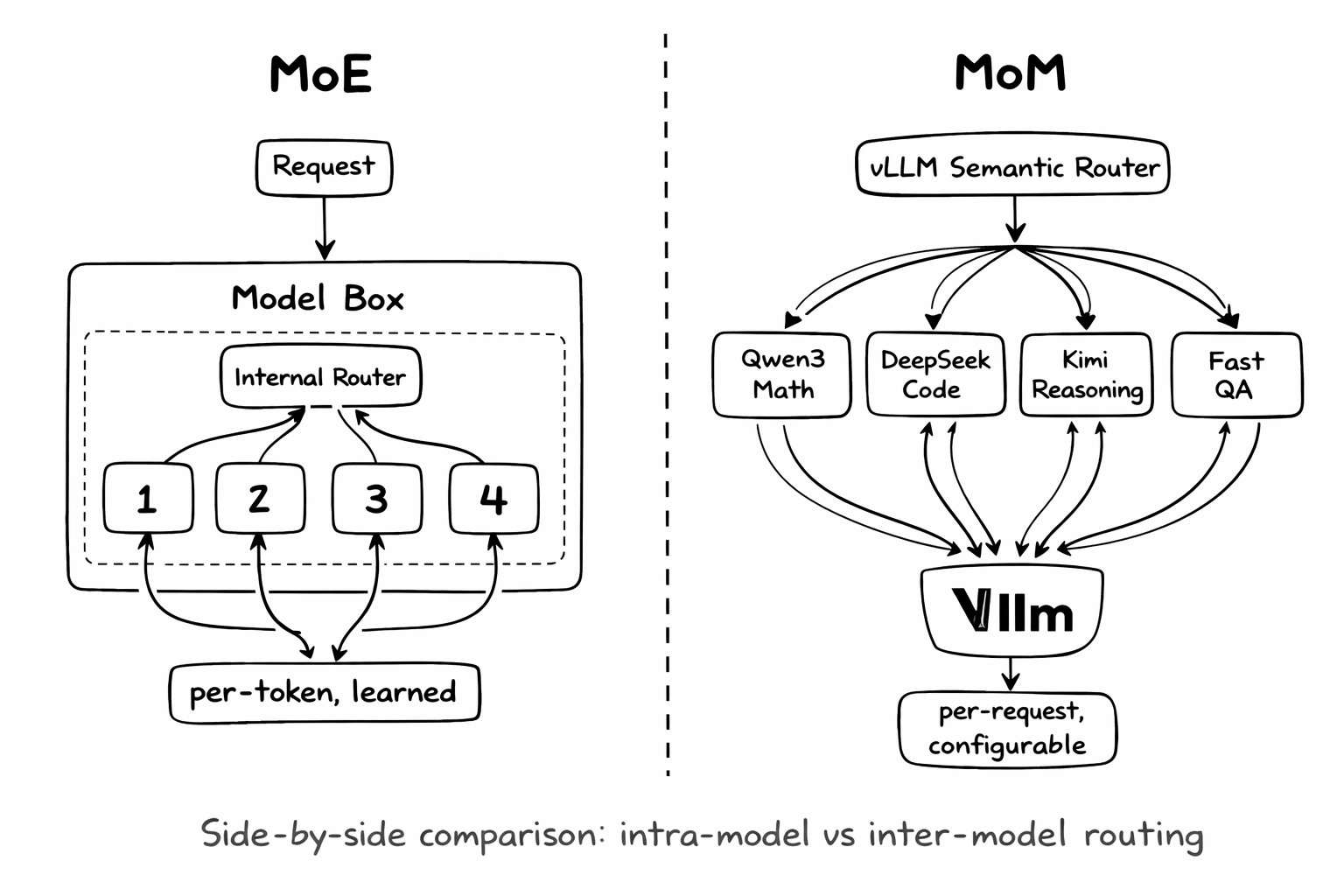
How vLLM Semantic Router builds a Mixture-of-Models system on AMD MI300X and MI355X GPUs, routing across specialized models with signals, decisions, safety checks, semantic caching, and live MoM deployment.

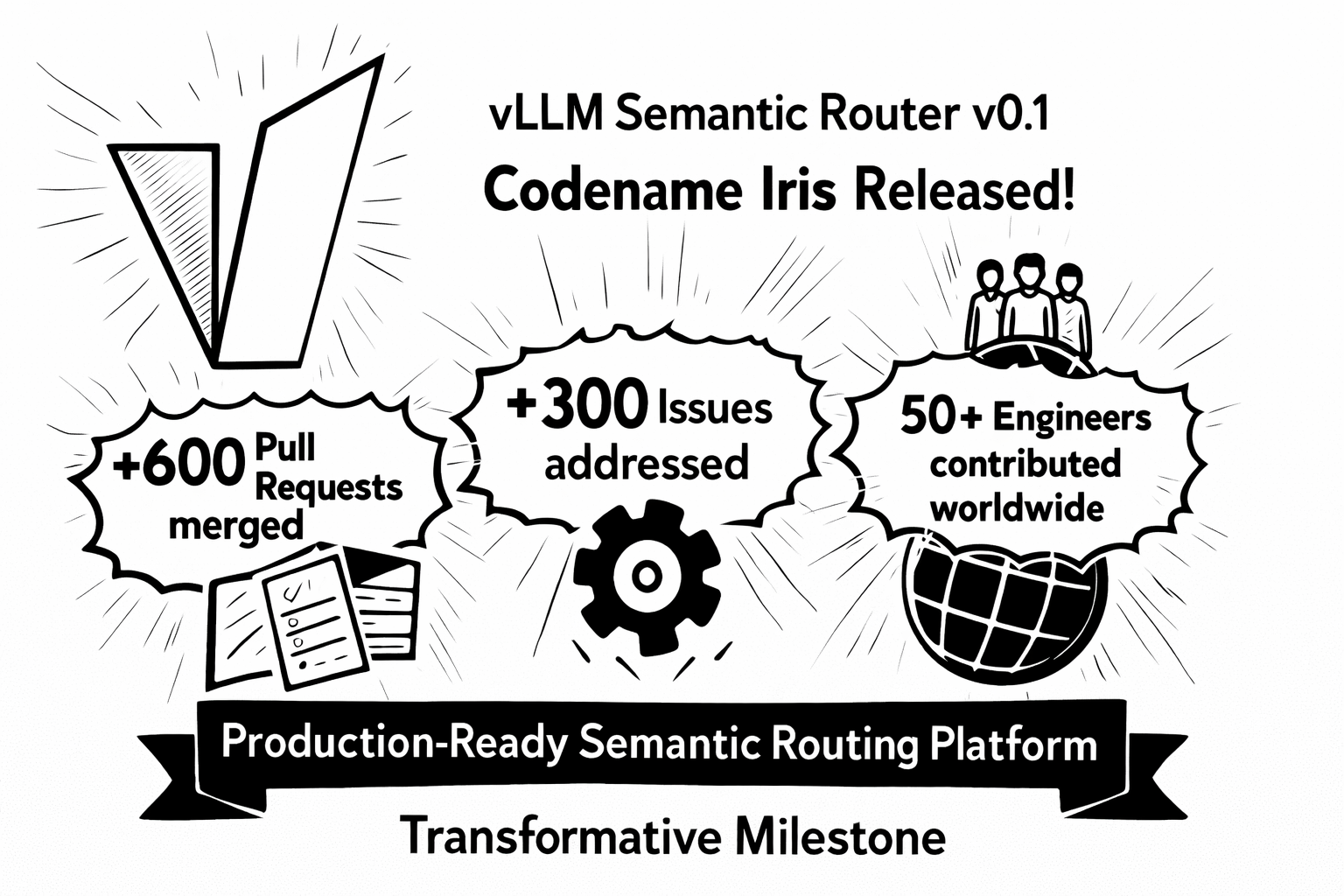
What vLLM Semantic Router v0.1 Iris introduces: signal-decision plugin architecture, model selection, safety filtering, semantic caching, hallucination detection, LoRA-based routing models, and production-ready MoM routing.

How vLLM Playground provides a web UI for starting, configuring, testing, and monitoring vLLM servers across local macOS, Linux GPU or CPU, Kubernetes, and OpenShift environments.

How vLLM-Omni speeds up diffusion model inference with Cache-DiT and TeaCache, reusing intermediate computations across timesteps to deliver 1.5x to 2x image generation speedups with minimal quality loss.

How AMD and vLLM Semantic Router build GPU-accelerated Mixture-of-Models routing with signals, semantic caching, response storage, PII, jailbreak, and hallucination guardrails.

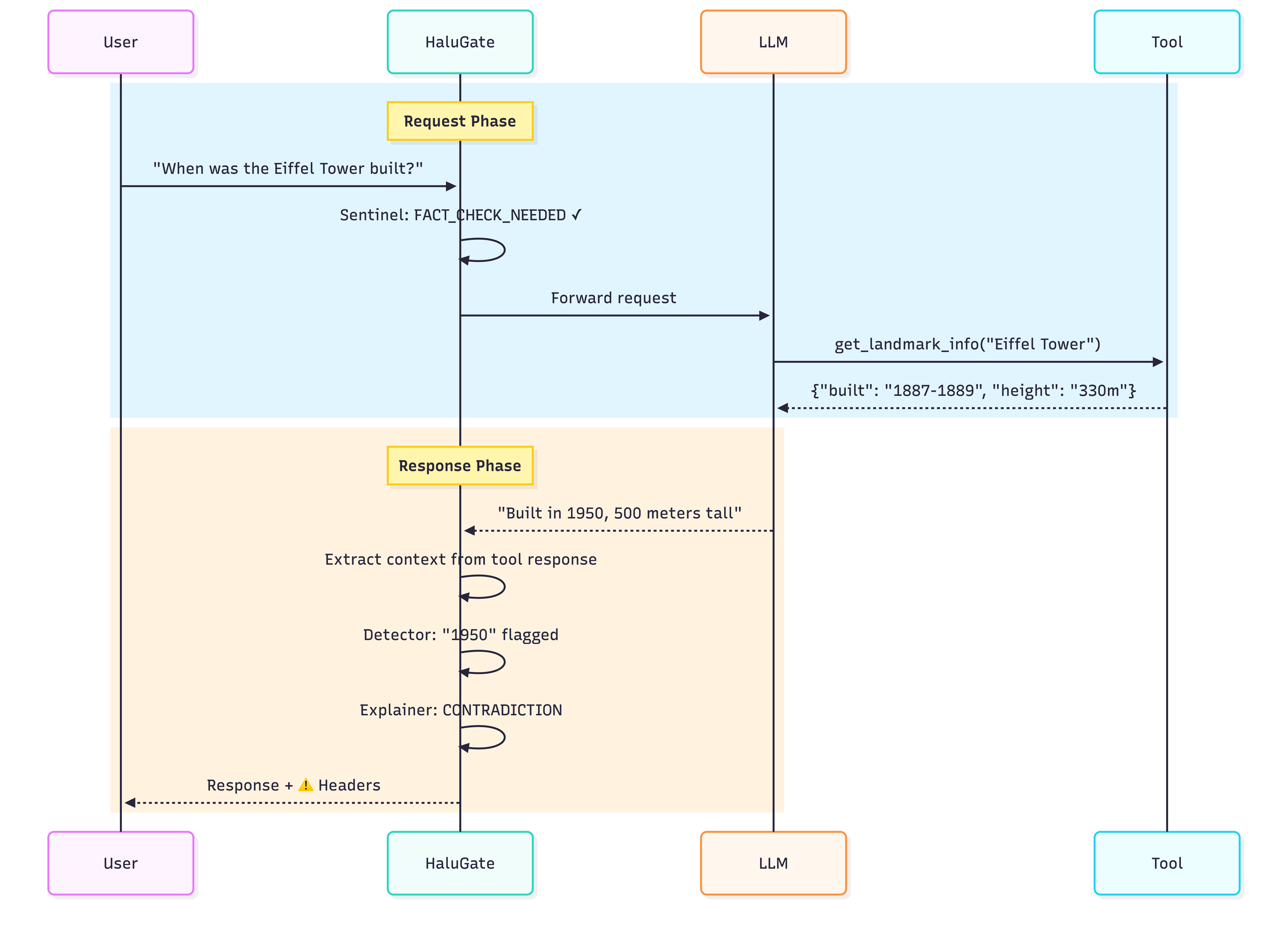
How HaluGate adds token-level hallucination detection to vLLM Semantic Router by verifying assistant claims against tool outputs and grounding context in real time without LLM-as-judge overhead.

How Speculators v0.3.0 supports end-to-end Eagle3 draft model training for vLLM, including hidden-state data generation, MoE and non-MoE verifiers, offline workflows, and seamless speculative decoding serving.

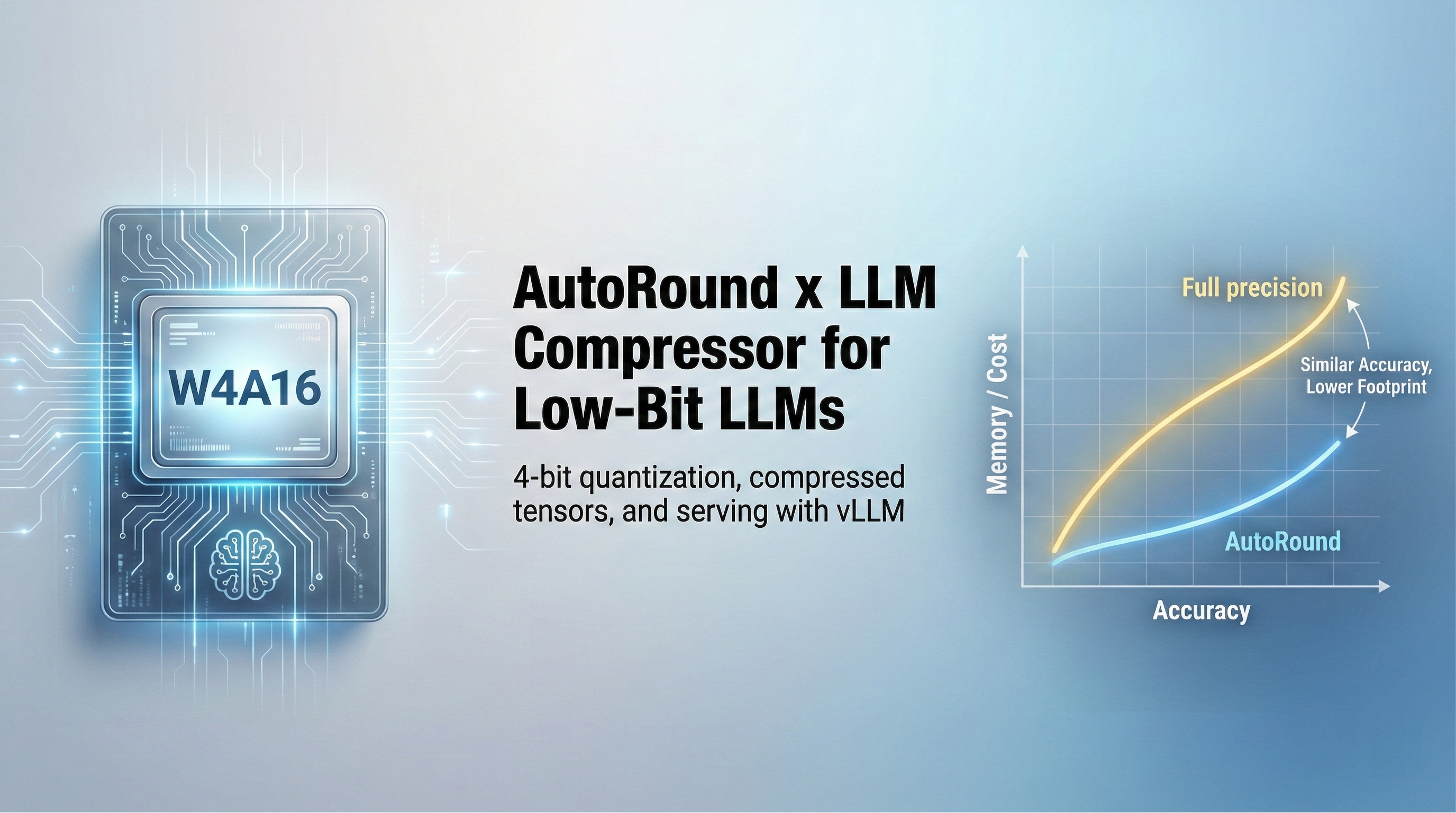
How Intel AutoRound integrates with LLM Compressor to produce low-bit quantized checkpoints for vLLM, using tuning-based PTQ, W4A16 and related formats, compressed-tensors compatibility, and lightweight calibration.

What vLLM-Omni adds to the vLLM ecosystem: omni-modality serving for text, image, video, and audio, diffusion and non-autoregressive generation support, disaggregated stages, OpenAI-compatible APIs, and pipelined execution.

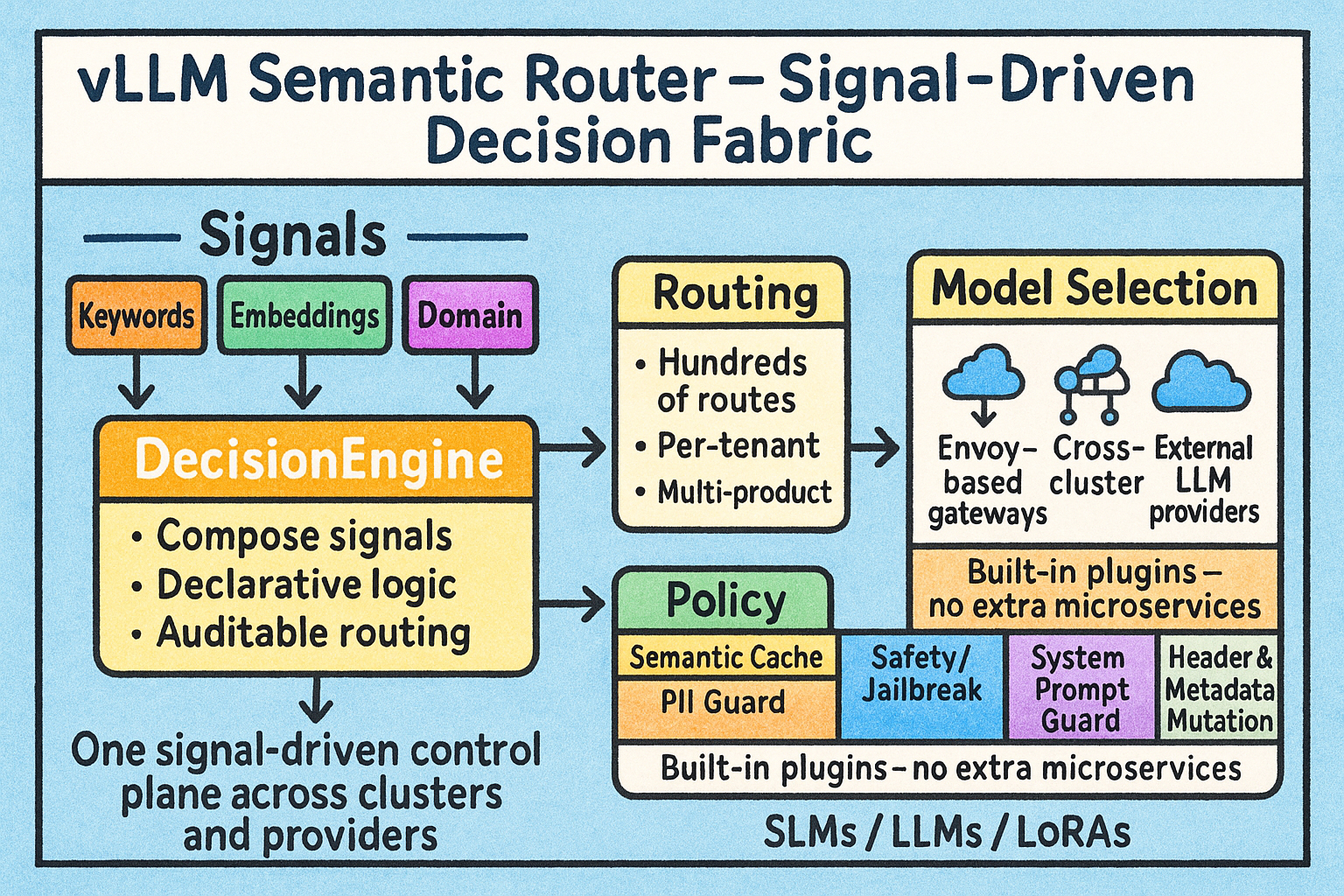
How vLLM Semantic Router replaces fixed domain classification with signal-decision architecture, combining multi-dimensional signals, AND/OR decision logic, model selection, and plugin orchestration for production routing.

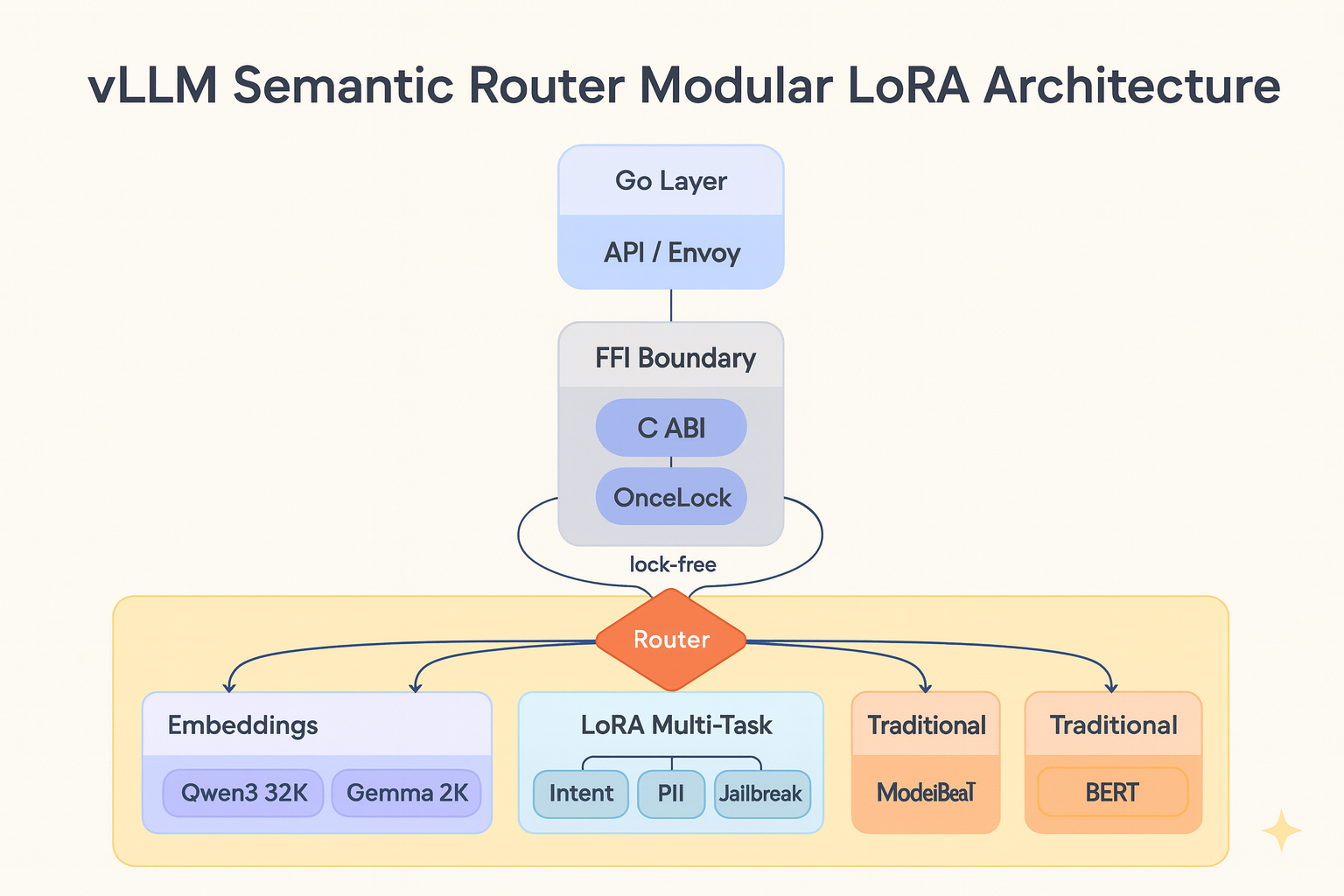
How vLLM Semantic Router refactors its Rust classification layer with modular model support, Qwen3-Embedding, EmbeddingGemma, LoRA-based multi-task classification, and concurrent routing execution.

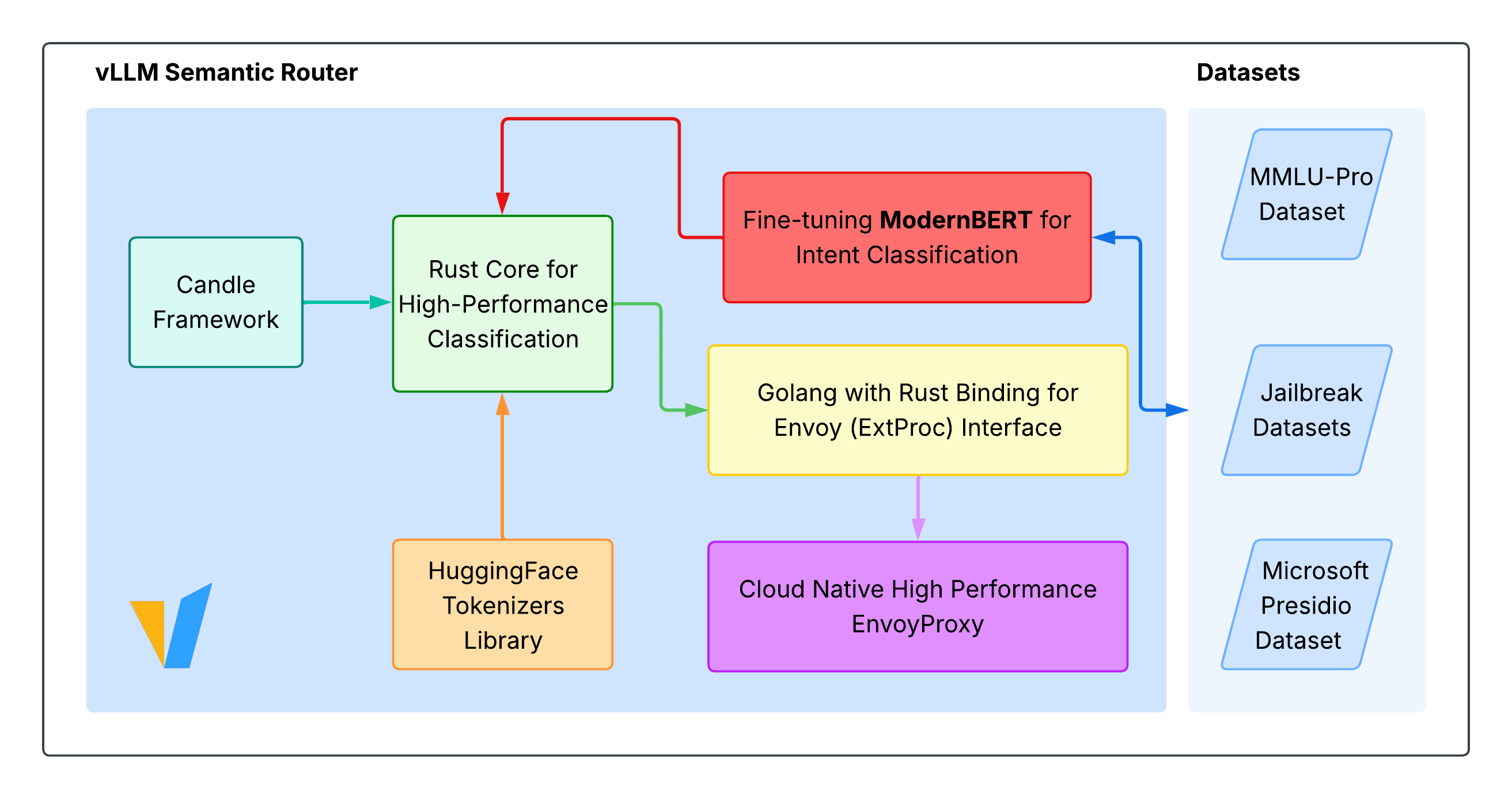
How vLLM Semantic Router routes requests by intent, covering semantic classification, smart reasoning-path selection, Rust and Candle execution, and Kubernetes Envoy integration for efficient inference.

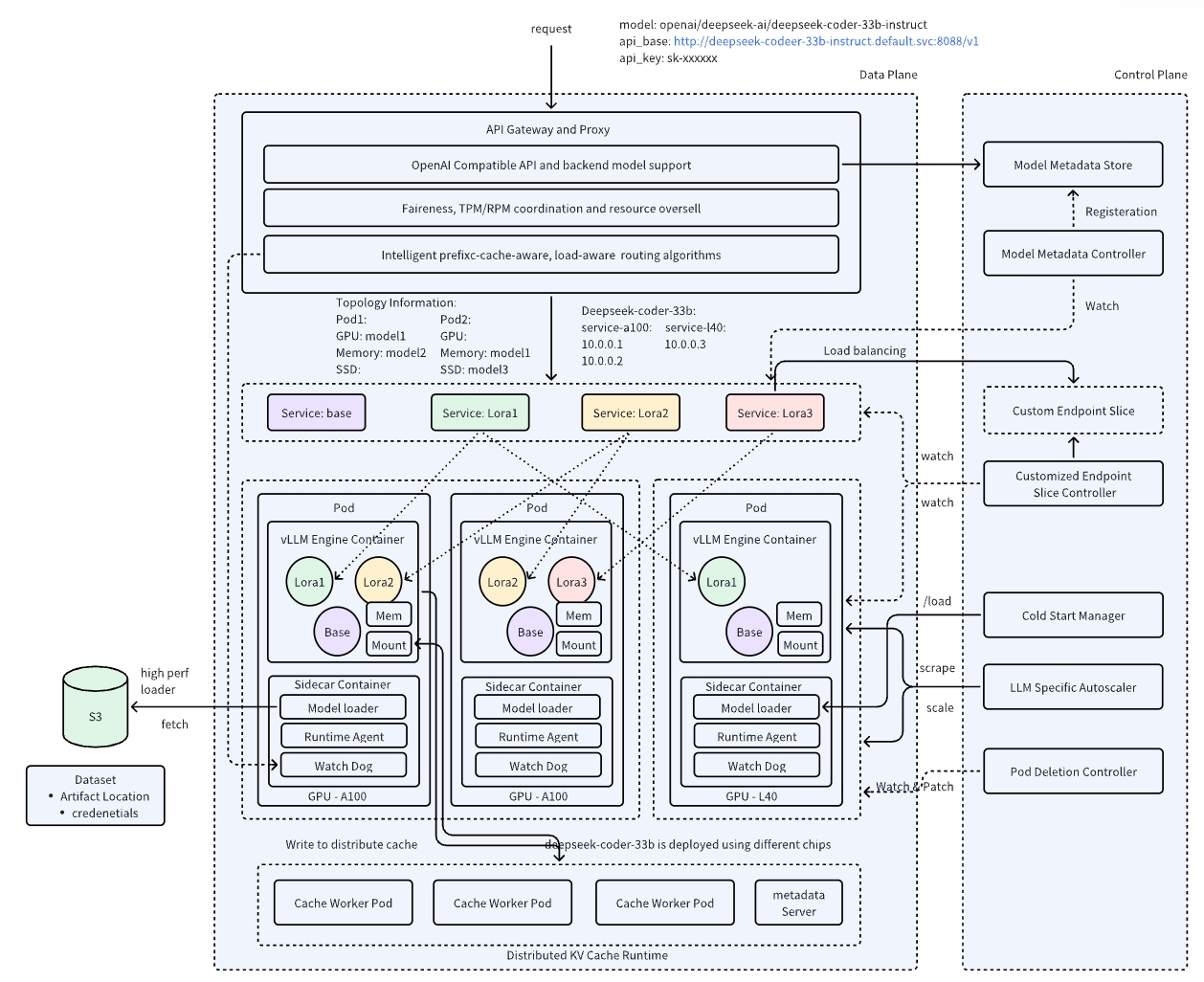
What AIBrix adds as a Kubernetes control plane for vLLM: LoRA management, LLM gateway routing, autoscaling, unified runtime, distributed inference, distributed KV cache, heterogeneous serving, and GPU failure detection.
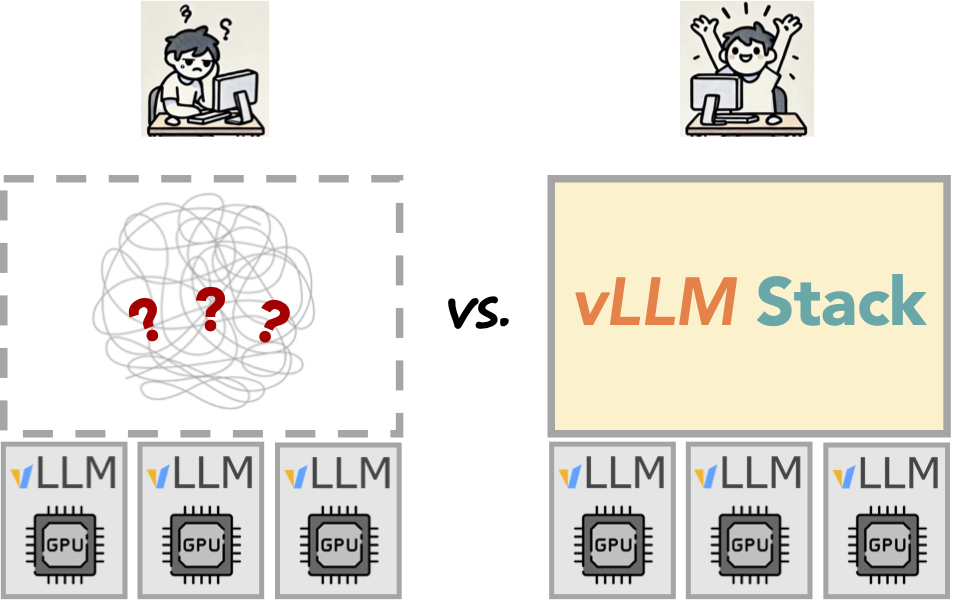
What vLLM production-stack adds for Kubernetes serving: prefix-aware routing, LMCache-backed KV cache sharing, autoscaling, observability, fault tolerance, and cluster deployment with higher throughput and lower latency.